A Compilation of Abrahamic Attacks On Epicurus
This page collects passages in which the scriptures of Judaism, Christianity and Islam, and the religious authorities who interpret them, attack Epicurus and the positions he taught. It is not an exhaustive survey and is not presented as one. It is a starting list for readers who want to investigate the subject further. Each quotation gives its source, and most link to an image of the printed page it comes from, so that the reader can check the context and follow the trail from there.
A passage is included whether or not it names Epicurus, so long as it argues against one of his main positions: that the universe is made of atoms and void, that it was not created and is not governed by any god, that the soul dies with the body, that the senses and not faith are the test of truth, and that pleasure is the goal of life. Within each source the quotations are grouped by the position under attack, and a quotation that attacks two positions at once may appear twice. A few passages are not attacks at all but arguments against Scepticism that agree with Epicurus’s defense of the senses. These are labeled as such.
For each religion the page begins with the scriptures themselves: the New Testament and the Book of Wisdom, the Hebrew Bible and the Mishnah and Talmud, and the Koran. Only one of these passages, in the Book of Acts, names the Epicureans. The rest teach, as matters of faith, the positions Epicurus denied: a created world, a God who watches and judges each person, a soul that survives death or a body that will rise again, and a life ruled by obedience and the hope of reward instead of by pleasure. The commentators who follow build on that foundation.
Many of these arguments are still repeated today, often by people who do not know where they came from.
Christian Sources
Section titled “Christian Sources”The New Testament
Section titled “The New Testament”Source for all quotations below: The Holy Bible, Authorized (King James) Version, printed at the Oxford University Press for the British and Foreign Bible Society, 1897. The full volume can be read at archive.org. Christians also hold the Hebrew Bible as their Old Testament. Passages from it are given under Jewish Sources below.
General Attacks on Epicurus and the Epicureans
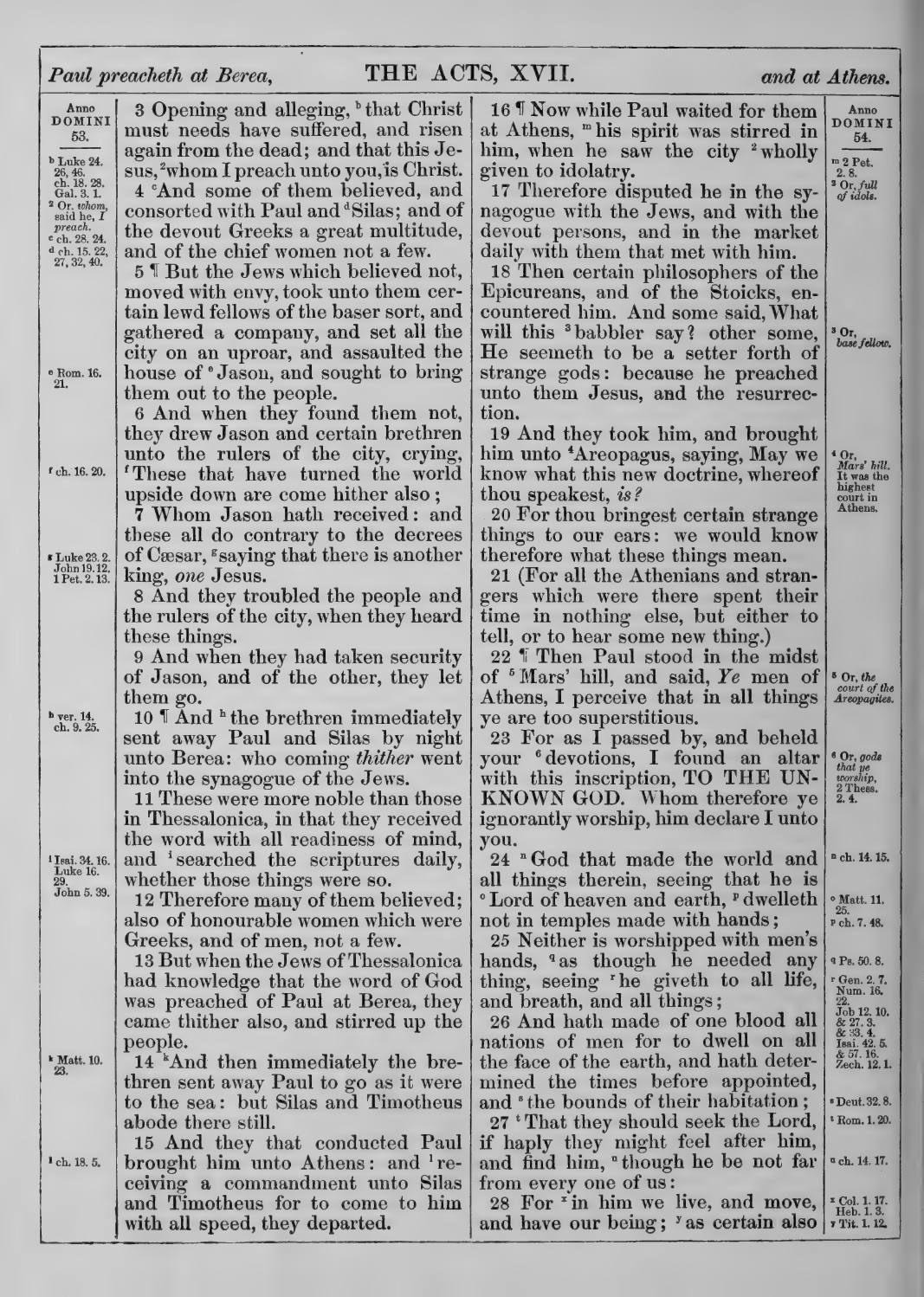
Acts 17:16–18 is the only passage in the Bible that names the Epicureans. Paul is arguing in the market place at Athens: “Then certain philosophers of the Epicureans, and of the Stoicks, encountered him. And some said, What will this babbler say? other some, He seemeth to be a setter forth of strange gods: because he preached unto them Jesus, and the resurrection.” In the speech that follows (17:24–26), Paul’s first claim is the one Epicurus denied most firmly: “God that made the world and all things therein, seeing that he is Lord of heaven and earth…” Acts 17:16–26 (KJV)
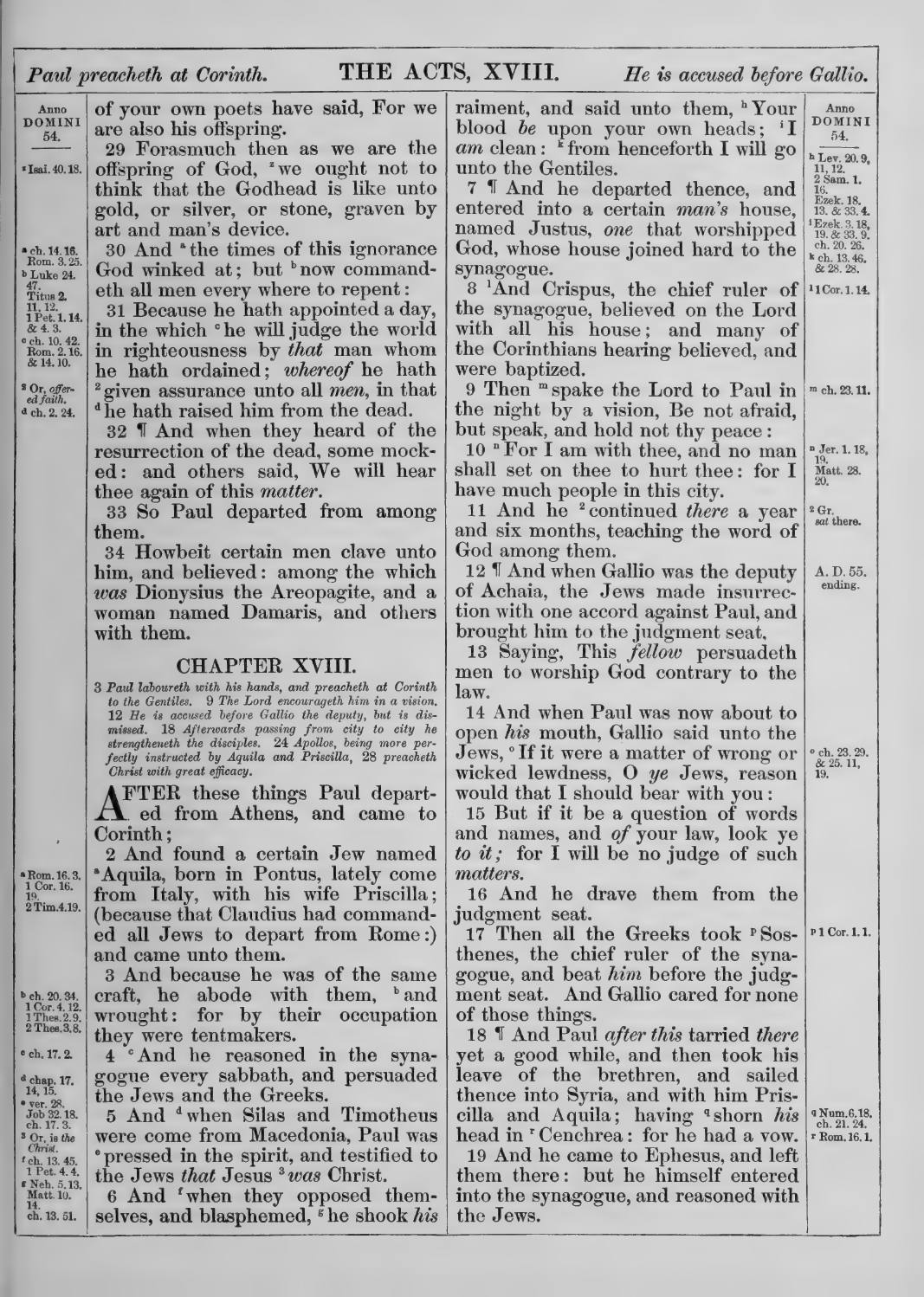
Acts 17:30–32 is the end of Paul’s speech on the Areopagus. His message to the Epicureans and Stoics is that God will judge the world, and his proof is the resurrection. That is the point at which the hearers laughed: “And the times of this ignorance God winked at; but now commandeth all men every where to repent: Because he hath appointed a day, in the which he will judge the world in righteousness by that man whom he hath ordained; whereof he hath given assurance unto all men, in that he hath raised him from the dead. And when they heard of the resurrection of the dead, some mocked: and others said, We will hear thee again of this matter.” Acts 17:29–32 (KJV)
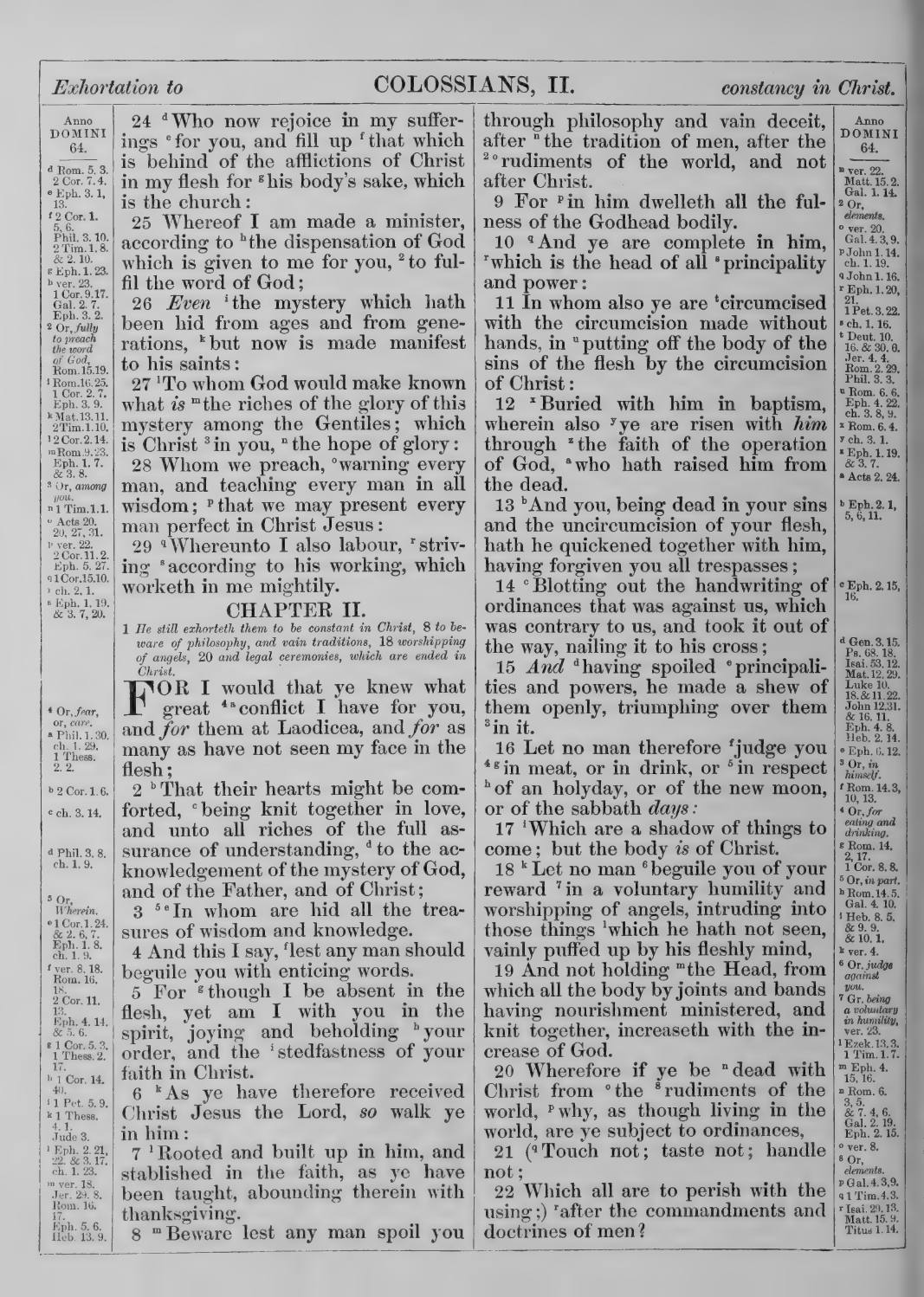
Colossians 2:8, a warning against philosophy itself: “Beware lest any man spoil you through philosophy and vain deceit, after the tradition of men, after the rudiments of the world, and not after Christ.” The King James margin gives “elements” as another rendering of “rudiments.” Colossians 2:8 (KJV)
Faith and Revelation in Place of the Senses
Epicurus held that the senses are the standard of truth, and that nothing should be believed unless the senses, and reasoning from them, support it. The New Testament praises belief in things that are not seen.
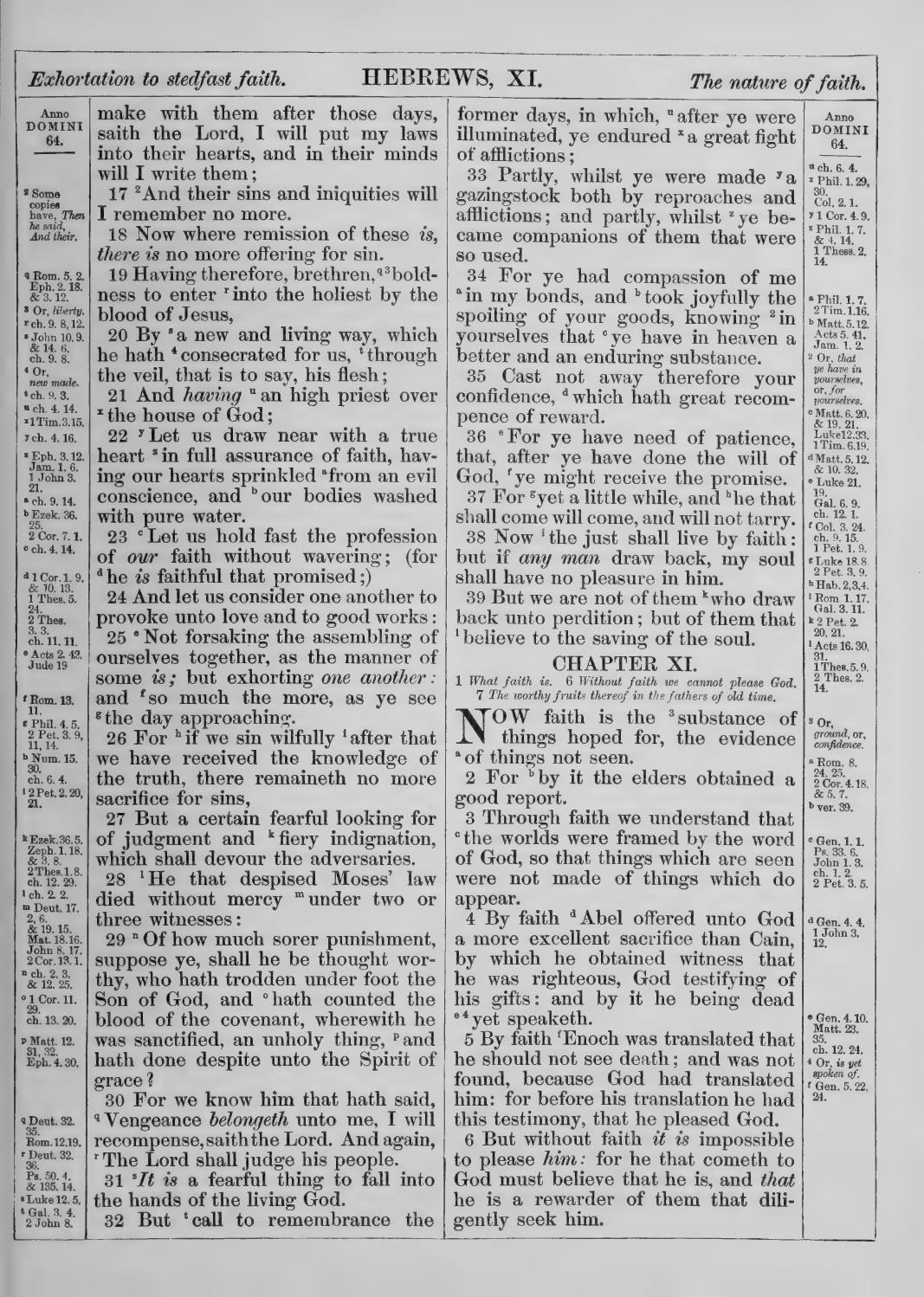
Hebrews 11:1: “Now faith is the substance of things hoped for, the evidence of things not seen.” Hebrews 11:1–6 (KJV)
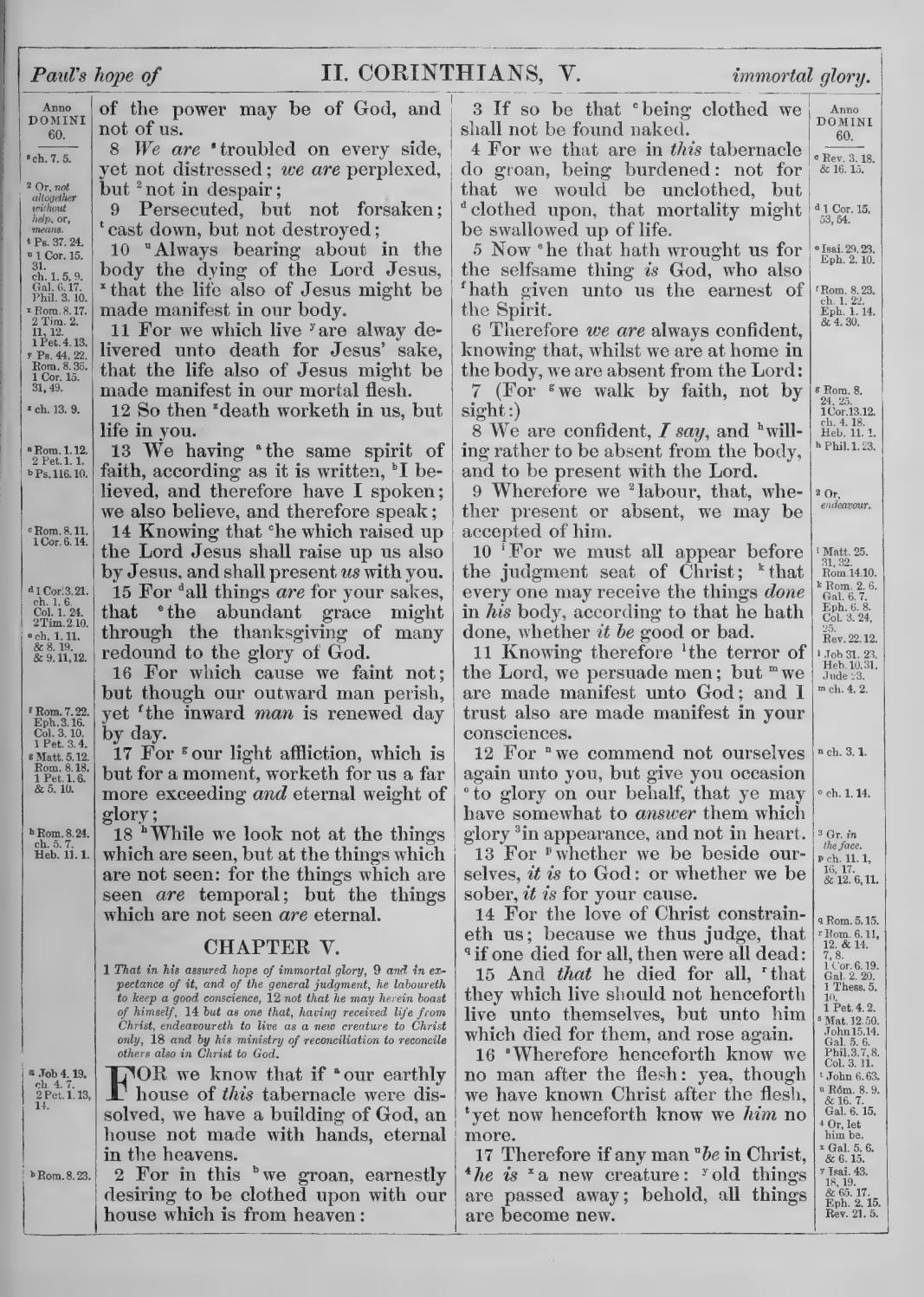
2 Corinthians 4:18 and 5:7: “While we look not at the things which are seen, but at the things which are not seen: for the things which are seen are temporal; but the things which are not seen are eternal.” And: “(For we walk by faith, not by sight:)” 2 Corinthians 4:18–5:11 (KJV)
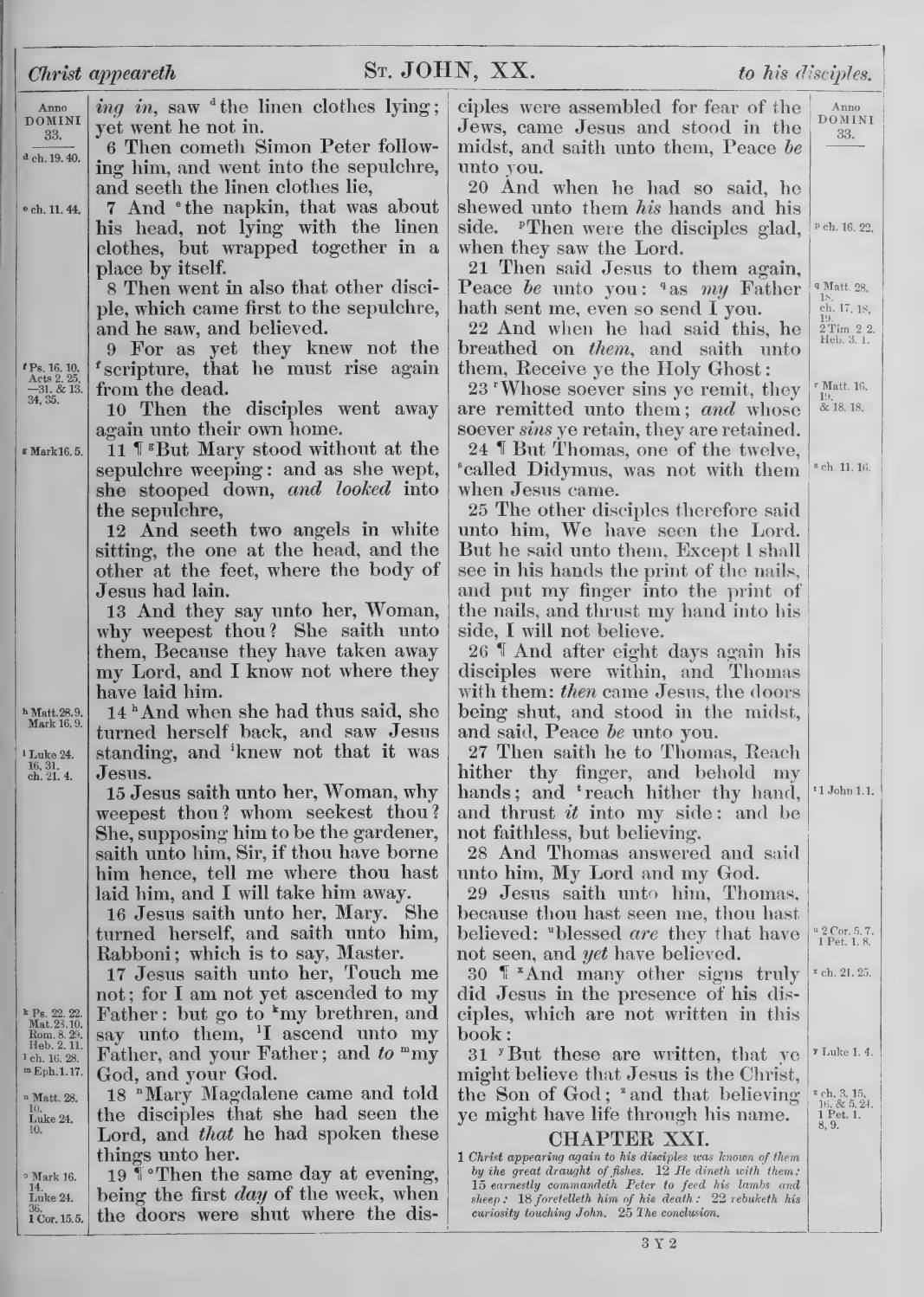
John 20:29. The apostle Thomas had refused to believe in the resurrection unless he could see and touch the wounds. When he has seen, Jesus answers: “Thomas, because thou hast seen me, thou hast believed: blessed are they that have not seen, and yet have believed.” John 20:24–29 (KJV)
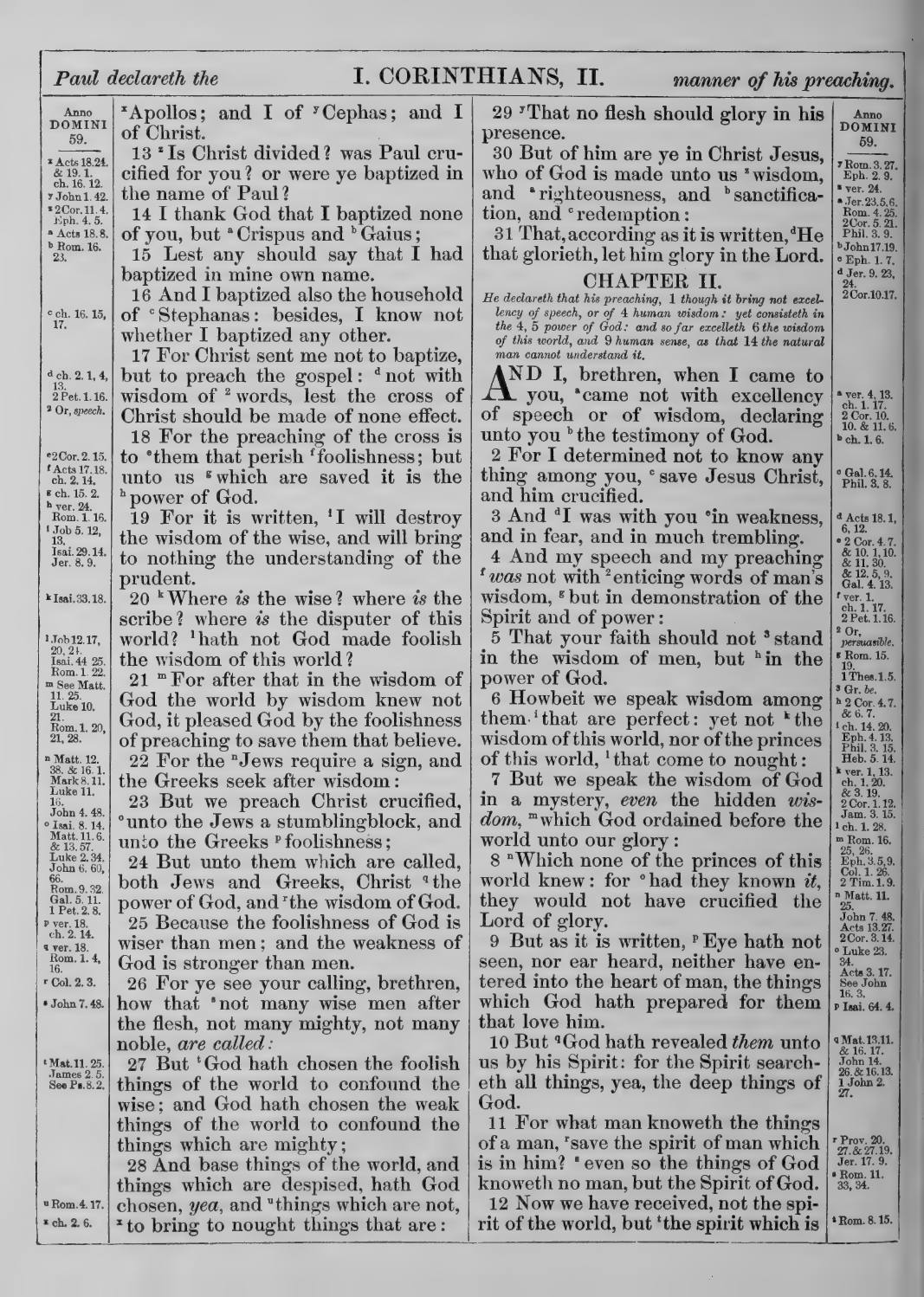
1 Corinthians 1:19–23: “For it is written, I will destroy the wisdom of the wise, and will bring to nothing the understanding of the prudent. Where is the wise? where is the scribe? where is the disputer of this world? hath not God made foolish the wisdom of this world? For after that in the wisdom of God the world by wisdom knew not God, it pleased God by the foolishness of preaching to save them that believe. For the Jews require a sign, and the Greeks seek after wisdom: But we preach Christ crucified, unto the Jews a stumblingblock, and unto the Greeks foolishness.” 1 Corinthians 1:19–23 (KJV)
The Eternity of the Universe
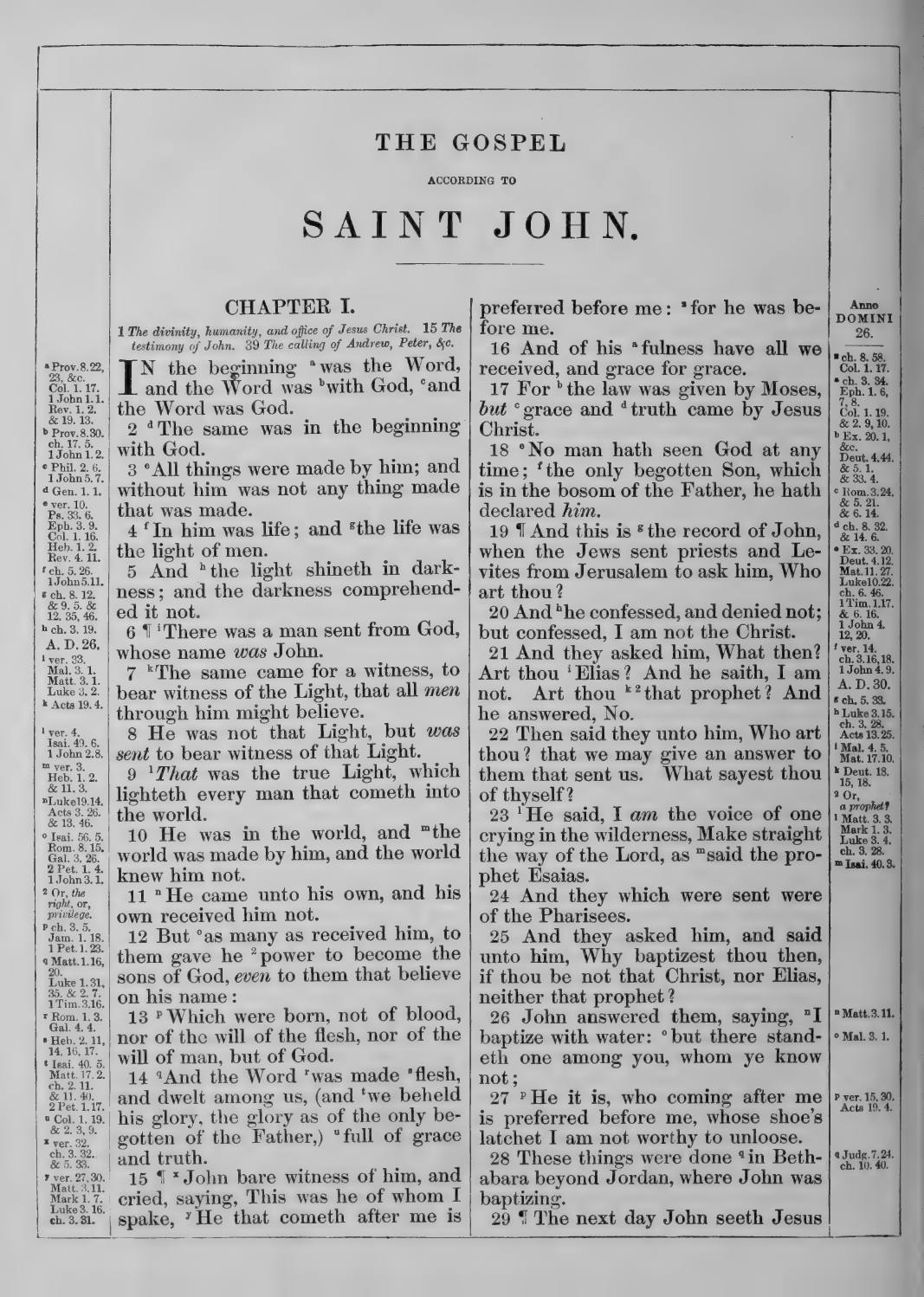
John 1:1–3: “In the beginning was the Word, and the Word was with God, and the Word was God. The same was in the beginning with God. All things were made by him; and without him was not any thing made that was made.” John 1:1–3 (KJV)
Hebrews 11:3. Epicurus’s first principle was that nothing comes from nothing. This verse says the visible world was not made out of anything visible: “Through faith we understand that the worlds were framed by the word of God, so that things which are seen were not made of things which do appear.” Hebrews 11:1–6 (KJV)
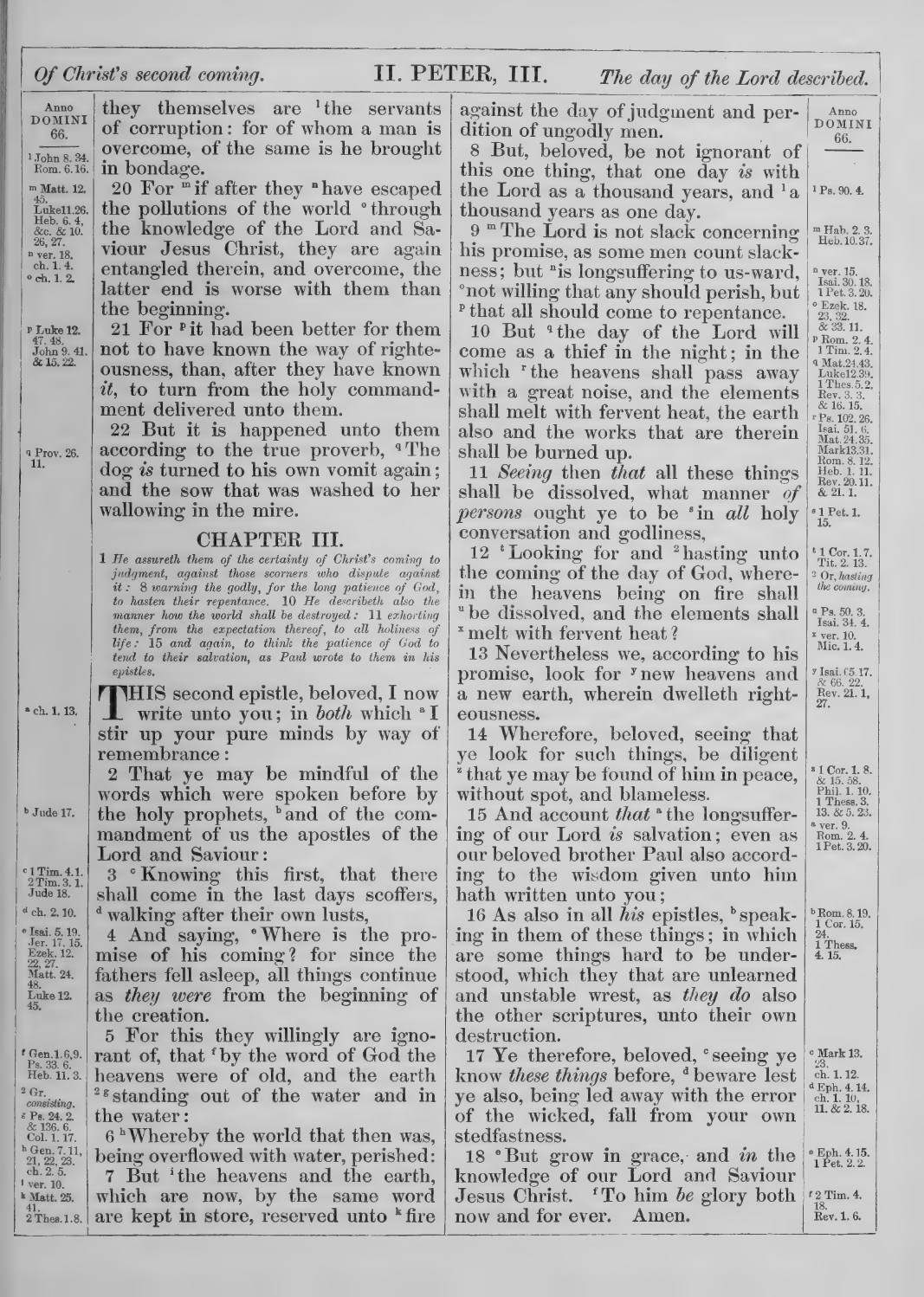
2 Peter 3:3–5 and 3:10, against the “scoffers” who point to the regular course of nature: “Knowing this first, that there shall come in the last days scoffers, walking after their own lusts, And saying, Where is the promise of his coming? for since the fathers fell asleep, all things continue as they were from the beginning of the creation. For this they willingly are ignorant of, that by the word of God the heavens were of old, and the earth standing out of the water and in the water… But the day of the Lord will come as a thief in the night; in the which the heavens shall pass away with a great noise, and the elements shall melt with fervent heat, the earth also and the works that are therein shall be burned up.” 2 Peter 3:3–10 (KJV)
The Absence of a Designer, and Chance
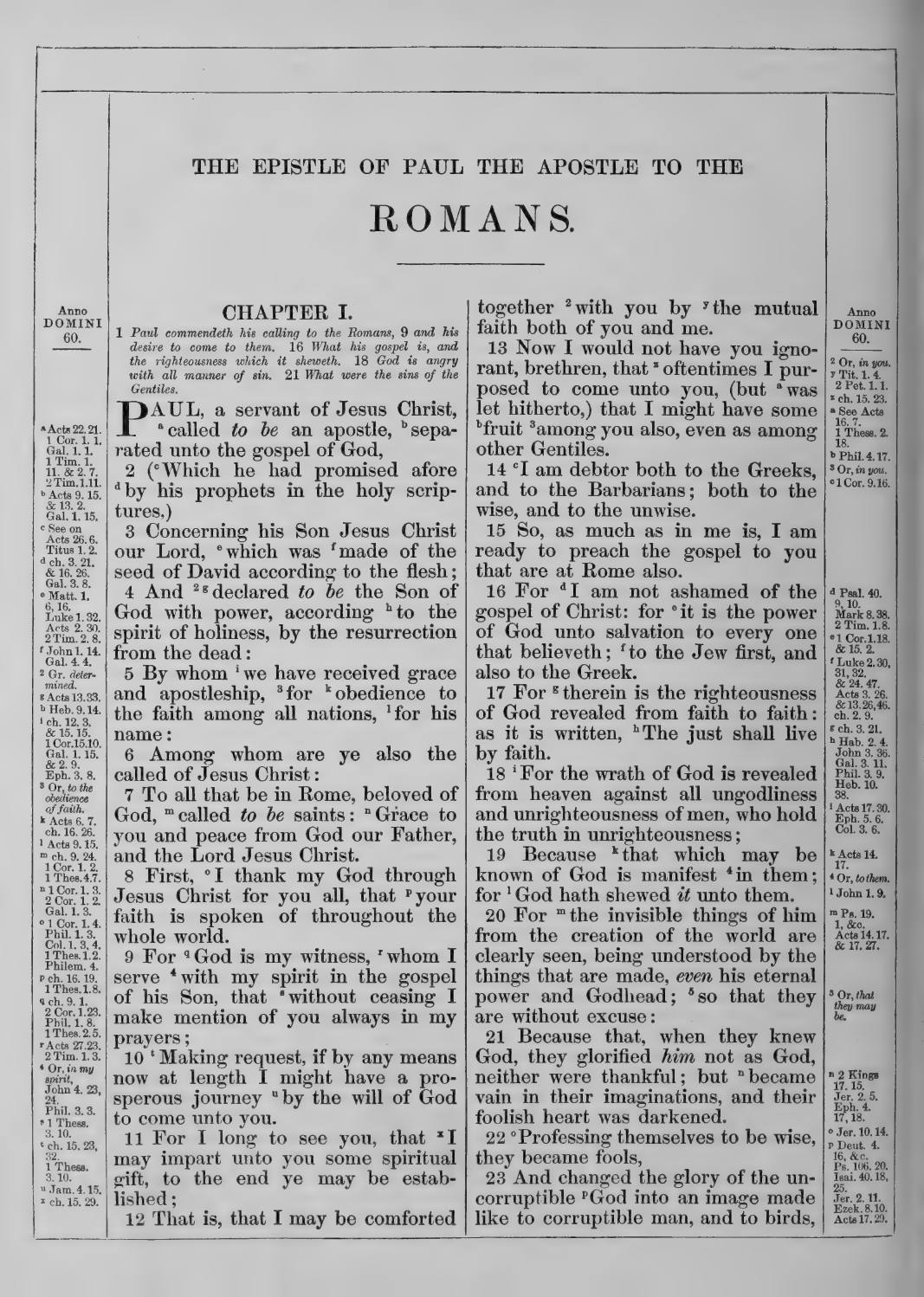
Romans 1:20–22, the argument from design. Whoever looks at the world and does not see its maker is “without excuse”: “For the invisible things of him from the creation of the world are clearly seen, being understood by the things that are made, even his eternal power and Godhead; so that they are without excuse: Because that, when they knew God, they glorified him not as God, neither were thankful; but became vain in their imaginations, and their foolish heart was darkened. Professing themselves to be wise, they became fools.” Romans 1:18–22 (KJV)
The Denial of Divine Providence Over Human Affairs
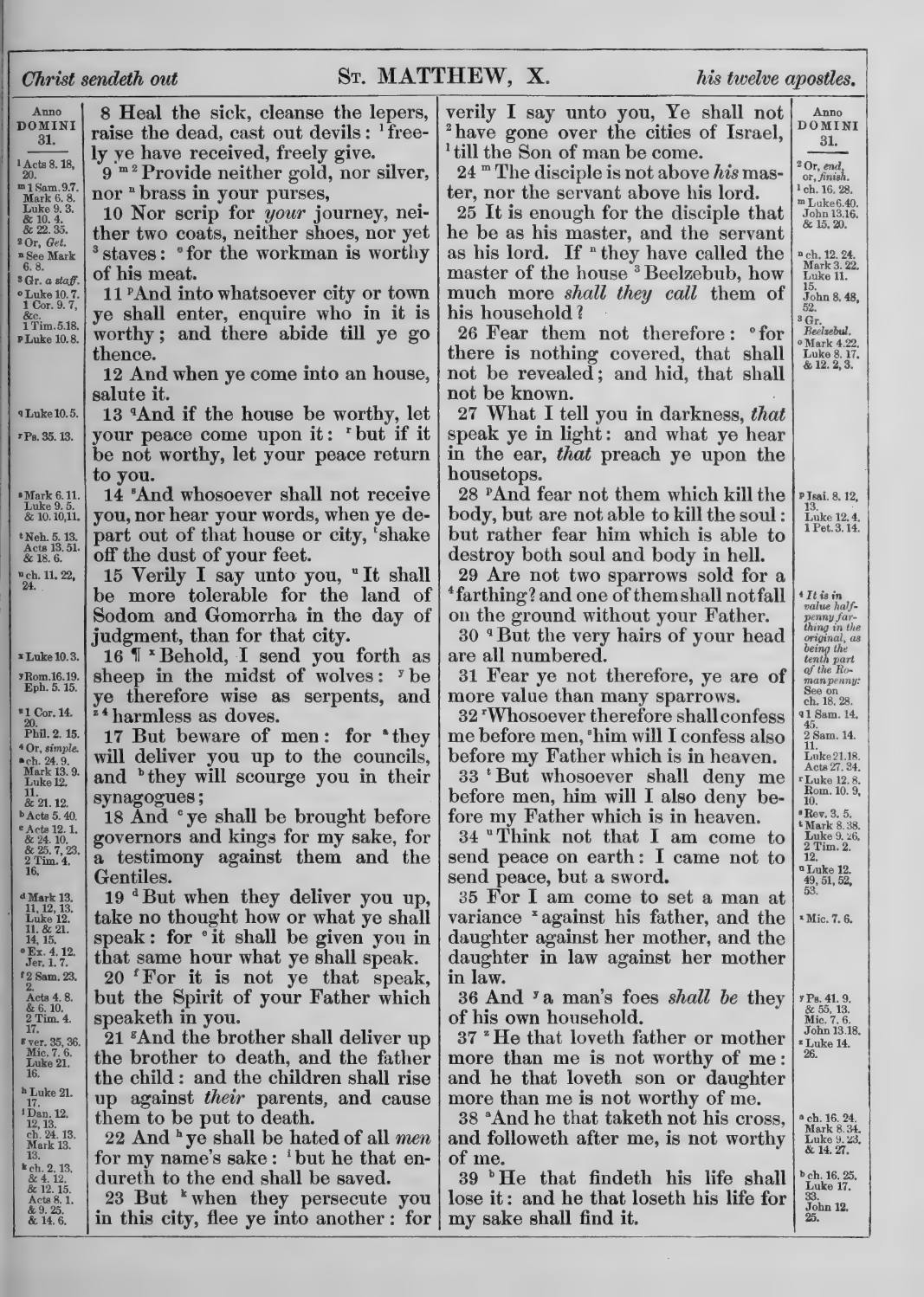
Matthew 10:29–30: “Are not two sparrows sold for a farthing? and one of them shall not fall on the ground without your Father. But the very hairs of your head are all numbered.” Matthew 10:28–30 (KJV)
The Mortality of the Soul and the Denial of Resurrection
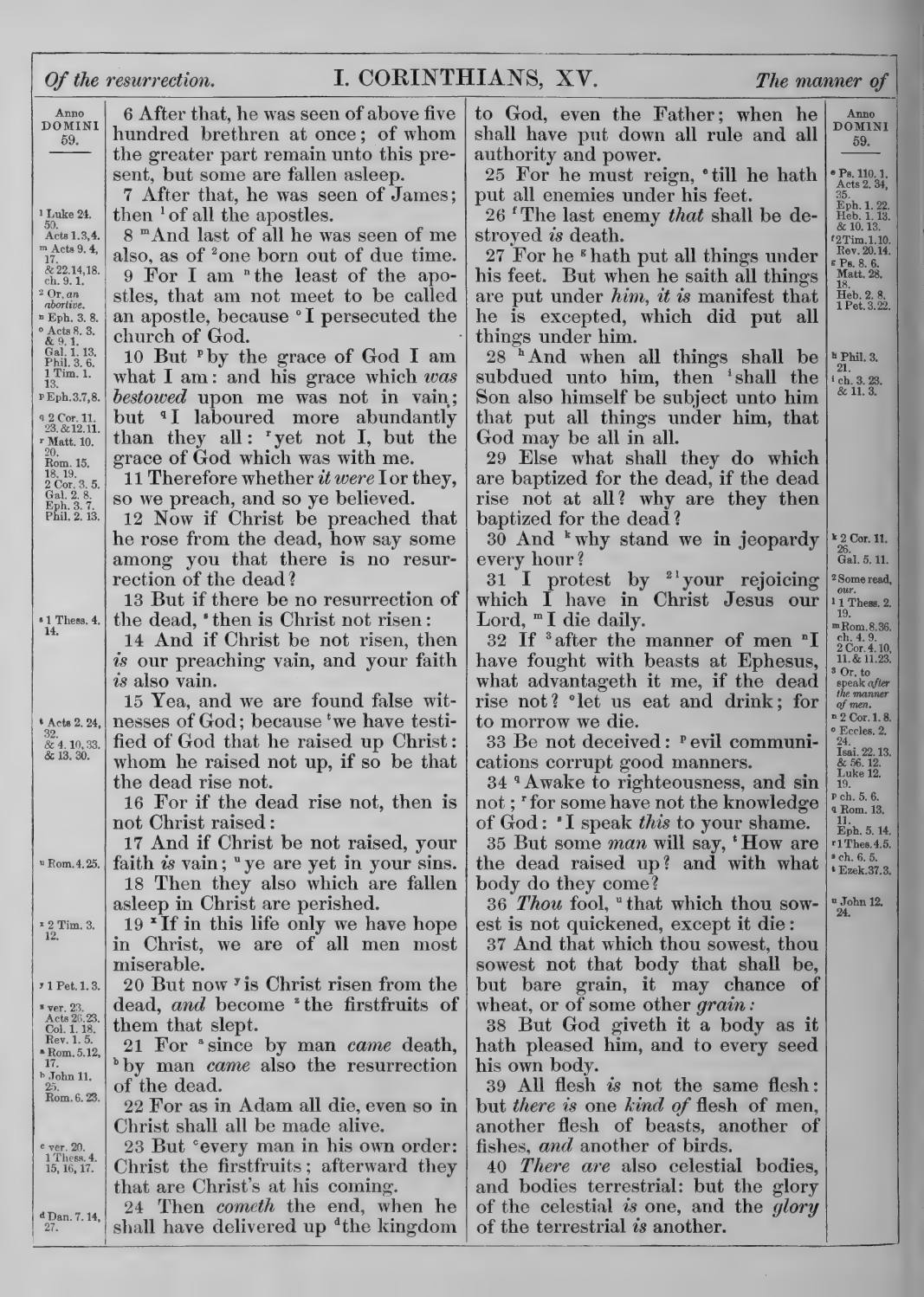
1 Corinthians 15:12–19. Paul answers members of the church at Corinth who denied the resurrection, and stakes the whole faith on it: “Now if Christ be preached that he rose from the dead, how say some among you that there is no resurrection of the dead? But if there be no resurrection of the dead, then is Christ not risen: And if Christ be not risen, then is our preaching vain, and your faith is also vain… If in this life only we have hope in Christ, we are of all men most miserable.” 1 Corinthians 15:12–33 (KJV)
Matthew 10:28. Epicurus taught that there is nothing to fear after death. Here that fear is commanded: “And fear not them which kill the body, but are not able to kill the soul: but rather fear him which is able to destroy both soul and body in hell.” Matthew 10:28–30 (KJV)
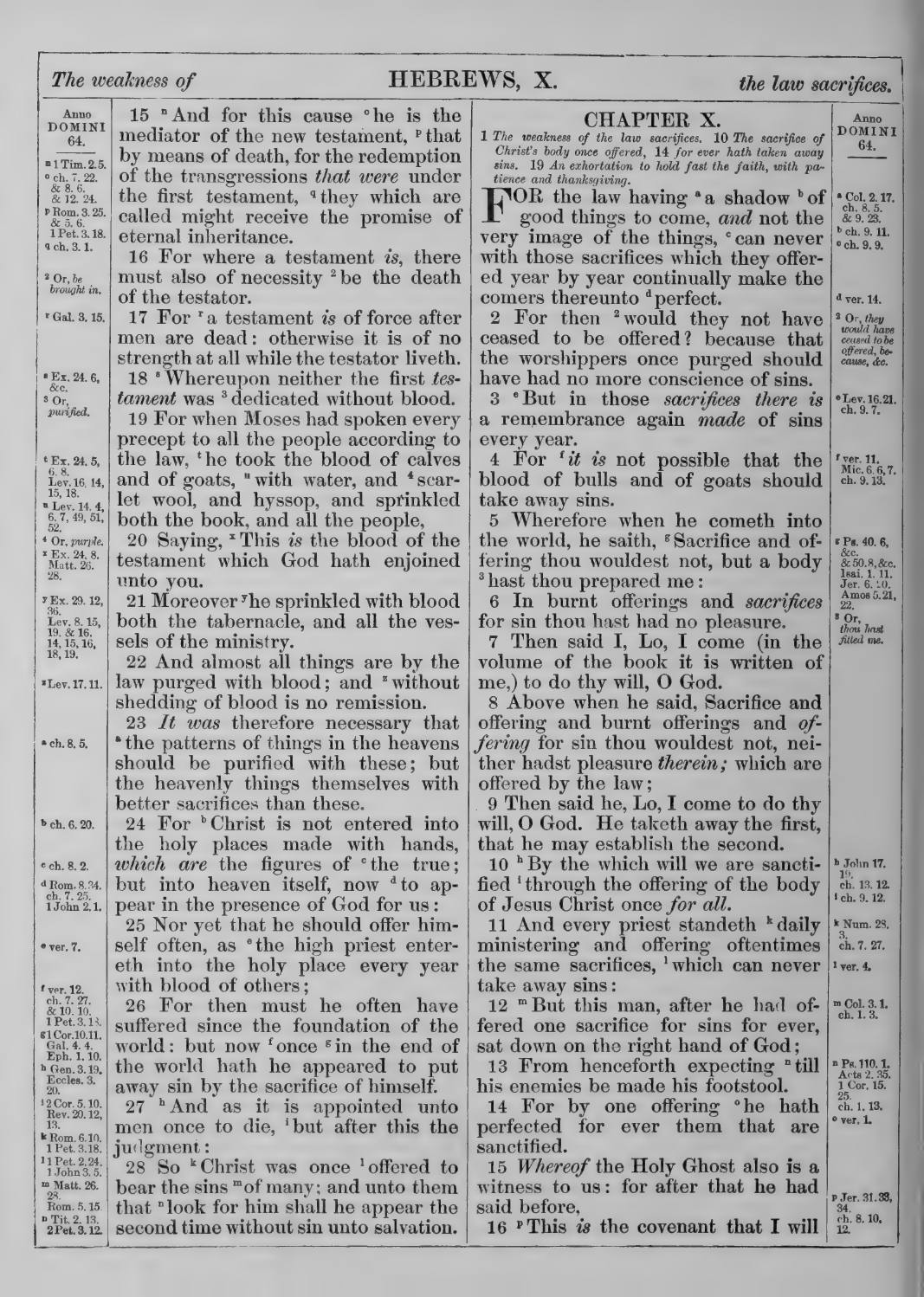
Hebrews 9:27: “And as it is appointed unto men once to die, but after this the judgment.” Hebrews 9:27 (KJV)
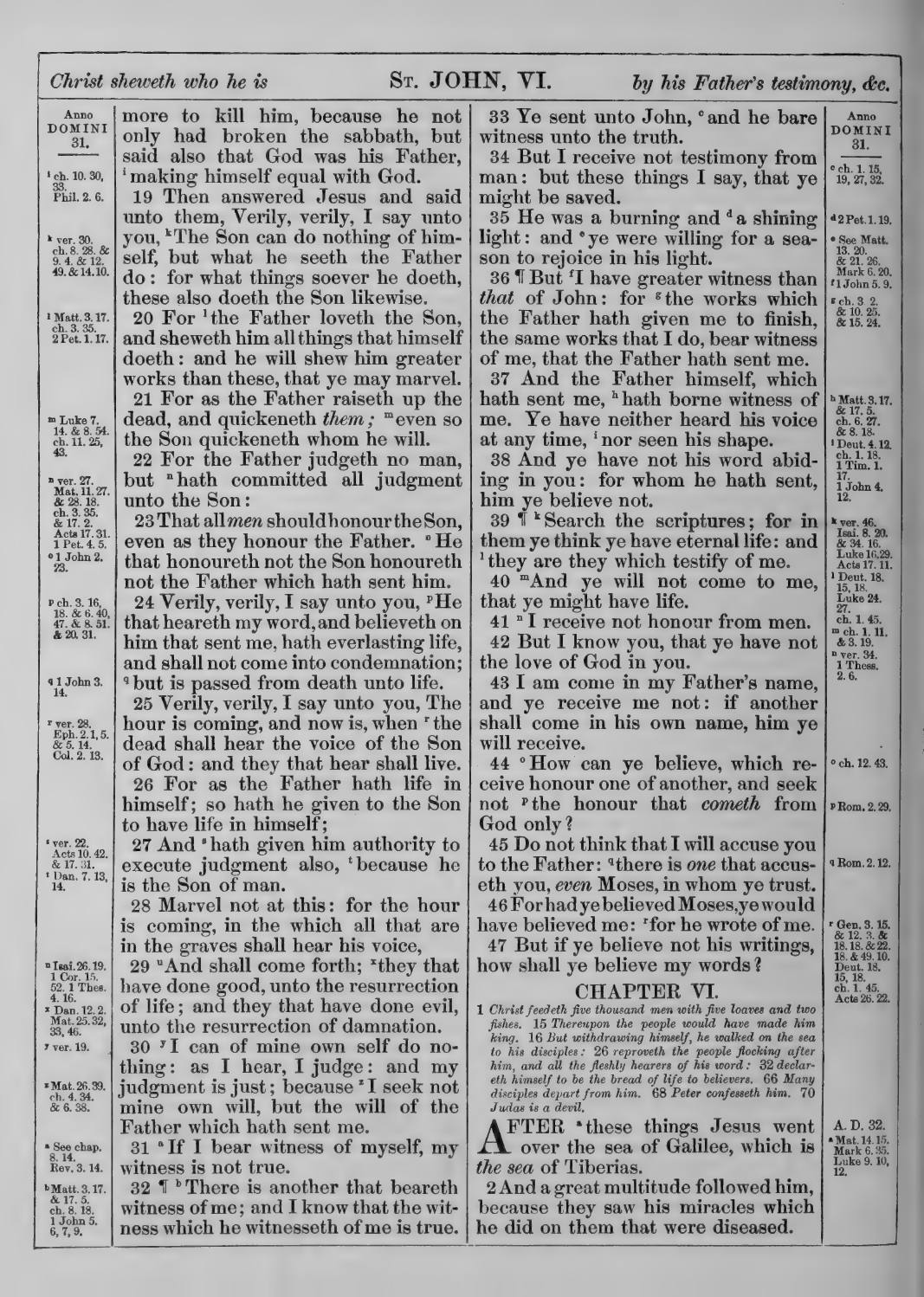
John 5:28–29: “Marvel not at this: for the hour is coming, in the which all that are in the graves shall hear his voice, And shall come forth; they that have done good, unto the resurrection of life; and they that have done evil, unto the resurrection of damnation.” John 5:28–29 (KJV)
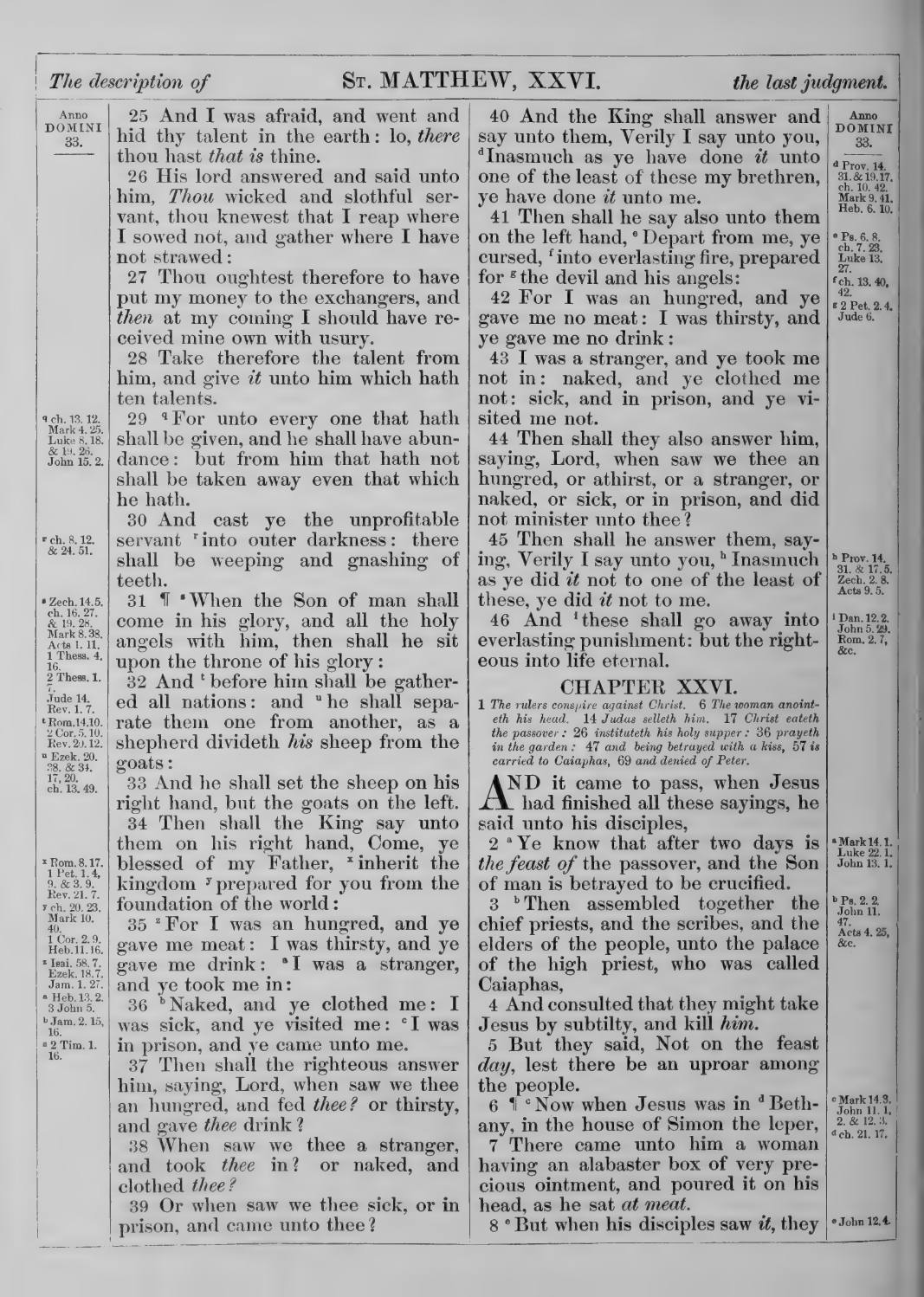
Matthew 25:41 and 25:46, the last judgment: “Then shall he say also unto them on the left hand, Depart from me, ye cursed, into everlasting fire, prepared for the devil and his angels… And these shall go away into everlasting punishment: but the righteous into life eternal.” Matthew 25:31–46 (KJV)
Pleasure as the Goal of Life
1 Corinthians 15:32–33. Paul’s conclusion from the denial of the resurrection is that nothing would be left but eating and drinking. He quotes Isaiah 22:13 (see under Jewish Sources below): “If after the manner of men I have fought with beasts at Ephesus, what advantageth it me, if the dead rise not? let us eat and drink; for to morrow we die. Be not deceived: evil communications corrupt good manners.” 1 Corinthians 15:12–33 (KJV)
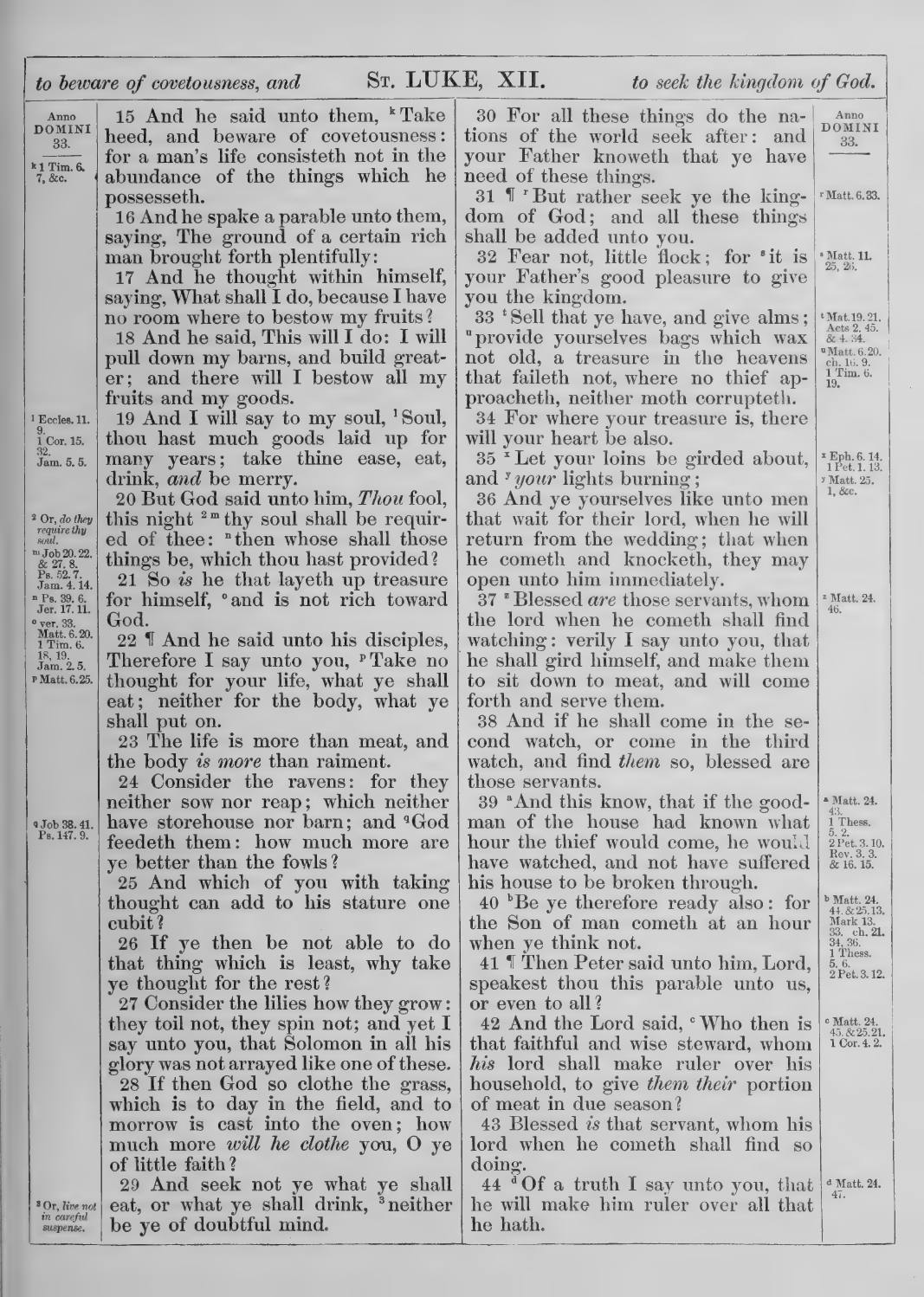
Luke 12:16–21, the parable of the rich fool, whose plan to enjoy his goods ends with God taking his soul: “And I will say to my soul, Soul, thou hast much goods laid up for many years; take thine ease, eat, drink, and be merry. But God said unto him, Thou fool, this night thy soul shall be required of thee: then whose shall those things be, which thou hast provided? So is he that layeth up treasure for himself, and is not rich toward God.” Luke 12:16–21 (KJV)
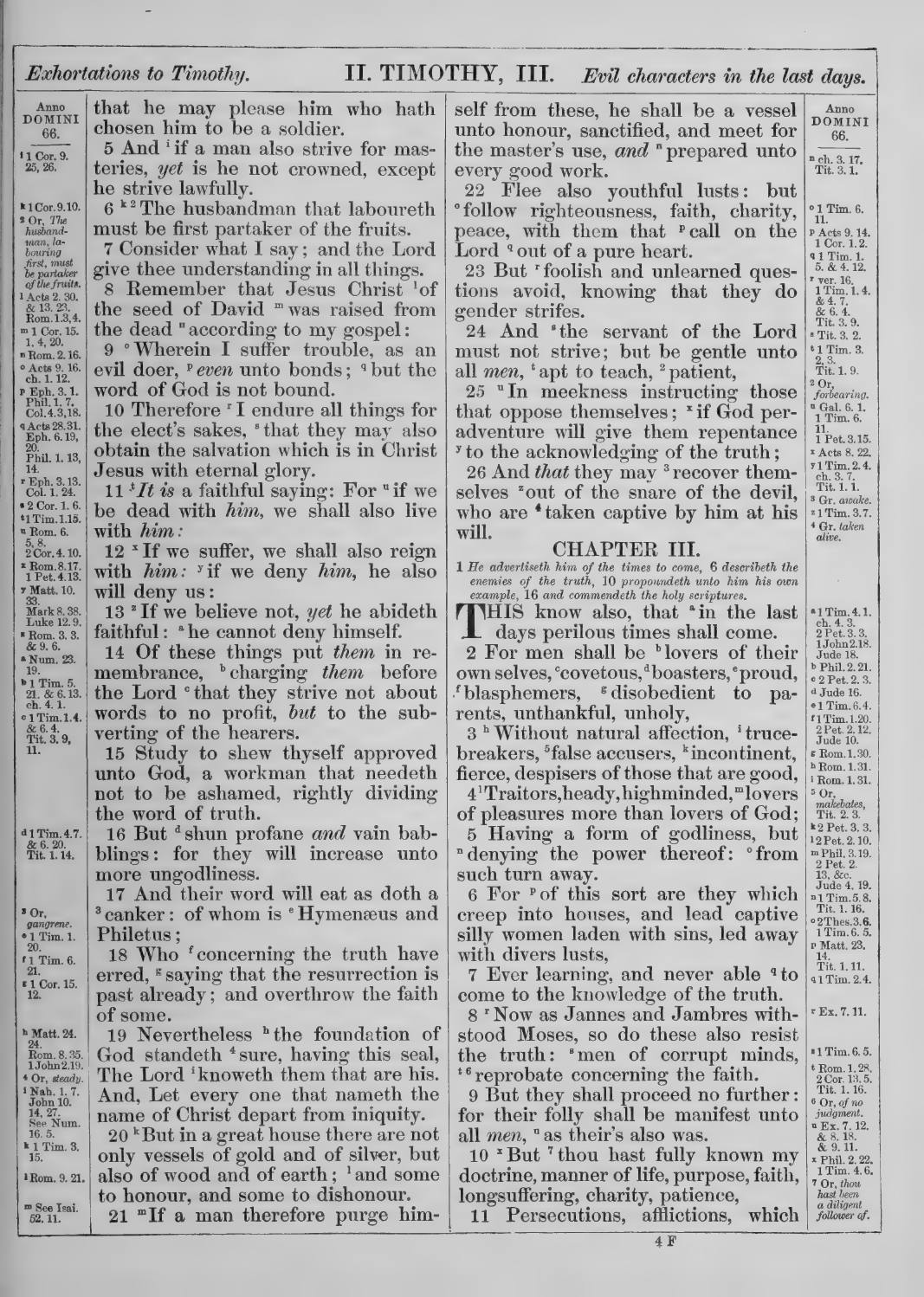
2 Timothy 3:1–4, in a list of the vices of “the last days”: “For men shall be lovers of their own selves, covetous, boasters, proud, blasphemers, disobedient to parents, unthankful, unholy, Without natural affection, trucebreakers, false accusers, incontinent, fierce, despisers of those that are good, Traitors, heady, highminded, lovers of pleasures more than lovers of God.” 2 Timothy 3:1–5 (KJV)
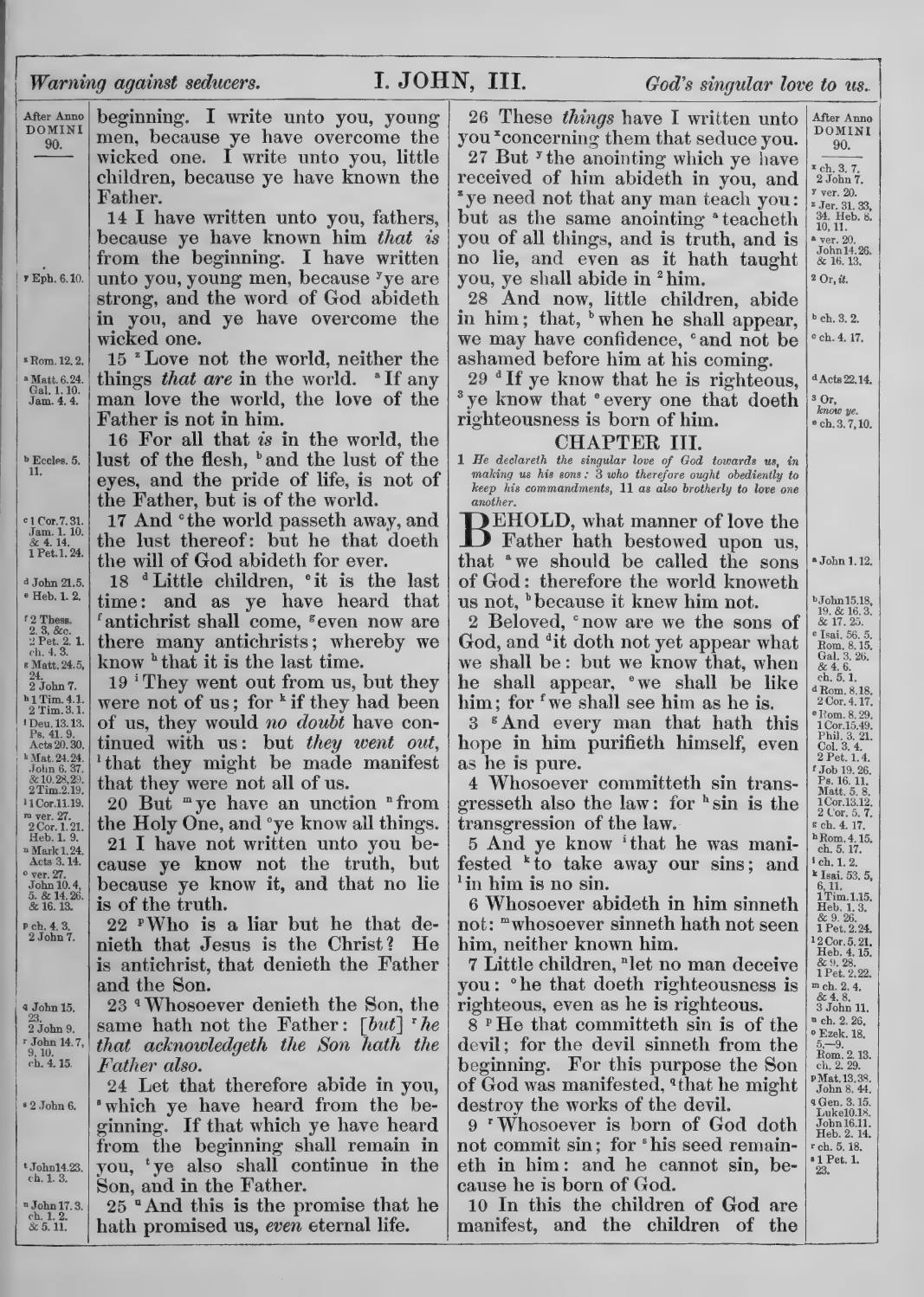
1 John 2:15–17: “Love not the world, neither the things that are in the world. If any man love the world, the love of the Father is not in him. For all that is in the world, the lust of the flesh, and the lust of the eyes, and the pride of life, is not of the Father, but is of the world. And the world passeth away, and the lust thereof: but he that doeth the will of God abideth for ever.” 1 John 2:15–17 (KJV)
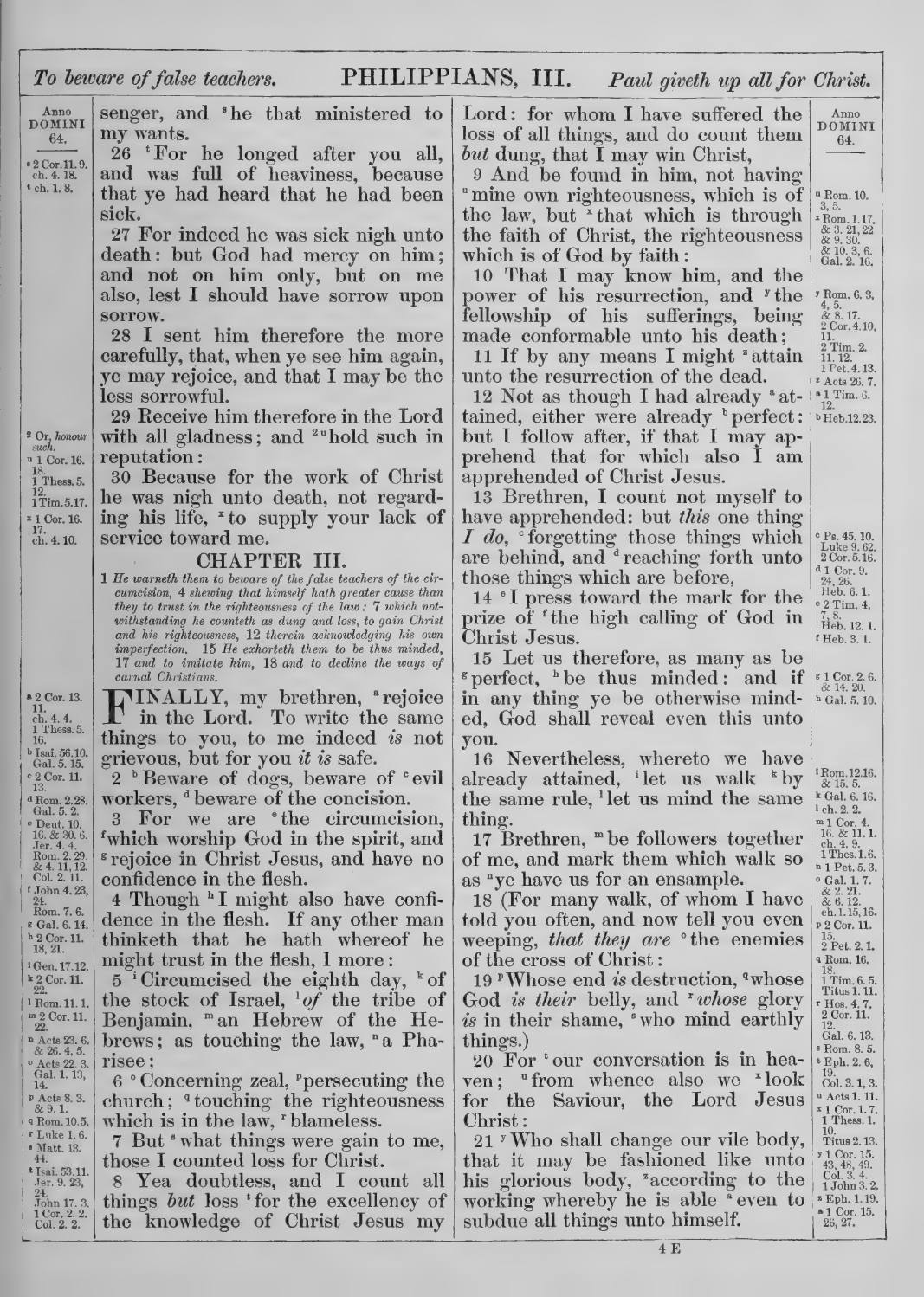
Philippians 3:18–19: “(For many walk, of whom I have told you often, and now tell you even weeping, that they are the enemies of the cross of Christ: Whose end is destruction, whose God is their belly, and whose glory is in their shame, who mind earthly things.)” Philippians 3:18–19 (KJV)
The Argument That Without Divine Judgment There Is No Reason to Be Good
2 Corinthians 5:10–11. The judgment, and the fear of it, are given as the reason to persuade men: “For we must all appear before the judgment seat of Christ; that every one may receive the things done in his body, according to that he hath done, whether it be good or bad. Knowing therefore the terror of the Lord, we persuade men.” 2 Corinthians 4:18–5:11 (KJV)
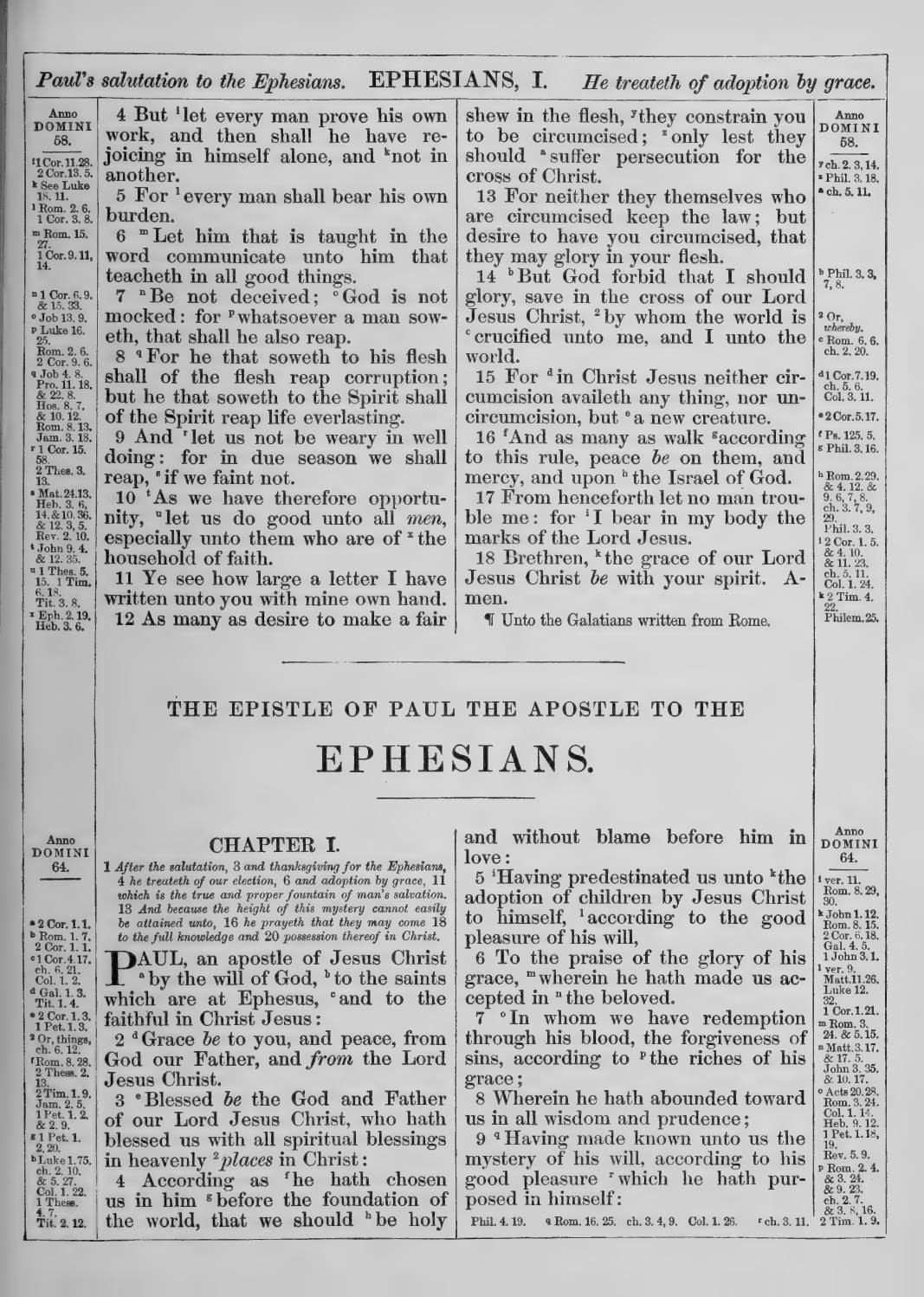
Galatians 6:7–8: “Be not deceived; God is not mocked: for whatsoever a man soweth, that shall he also reap. For he that soweth to his flesh shall of the flesh reap corruption; but he that soweth to the Spirit shall of the Spirit reap life everlasting.” Galatians 6:7–8 (KJV)
The Book of Wisdom
Section titled “The Book of Wisdom”The Wisdom of Solomon is part of the Old Testament of the Catholic and Orthodox churches, and is printed among the Apocrypha in Protestant Bibles. It was written in Greek, probably in the first century BC. In its second chapter it gives a speech to “the ungodly” that sets out, point by point, the views Epicurus taught: we were born by chance, the soul is a breath that is scattered at death, and so we should enjoy the good things of the present. The book’s answer is that God made man for incorruption.
Source for the quotations below: the Revised Version of the Apocrypha, in The Holy Bible containing the Old and New Testaments and the Apocrypha (Cambridge University Press, 1895). The full volume can be read at archive.org.
The Absence of a Designer, and Chance, The Mortality of the Soul and the Denial of an Afterlife and Pleasure as the Goal of Life (the passage argues all three at once)
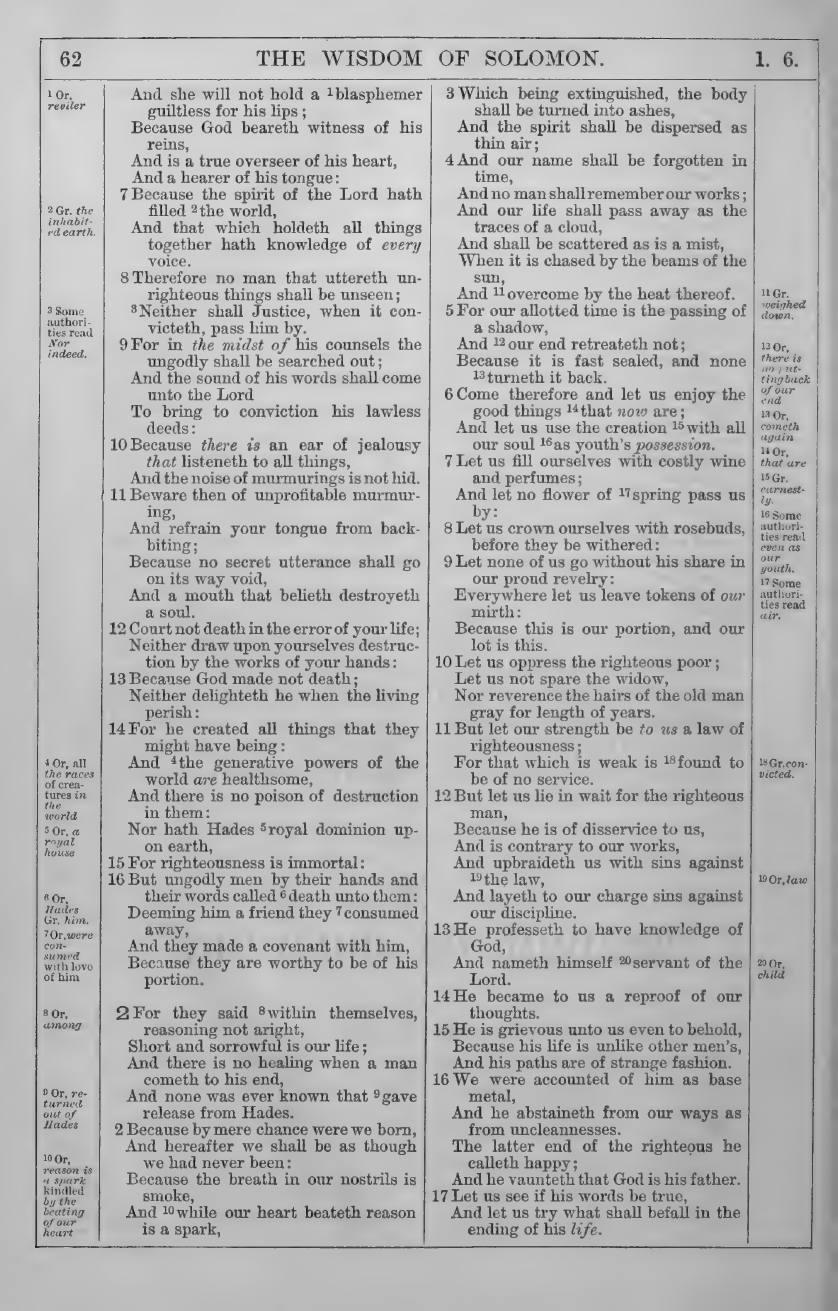
Wisdom of Solomon 2:1–9: “For they said within themselves, reasoning not aright, Short and sorrowful is our life; And there is no healing when a man cometh to his end, And none was ever known that gave release from Hades. Because by mere chance were we born, And hereafter we shall be as though we had never been: Because the breath in our nostrils is smoke, And while our heart beateth reason is a spark, Which being extinguished, the body shall be turned into ashes, And the spirit shall be dispersed as thin air; And our name shall be forgotten in time, And no man shall remember our works… Come therefore and let us enjoy the good things that now are; And let us use the creation with all our soul as youth’s possession. Let us fill ourselves with costly wine and perfumes; And let no flower of spring pass us by: Let us crown ourselves with rosebuds, before they be withered: Let none of us go without his share in our proud revelry.” The speech goes on (2:10–20) to have the same men plan to oppress the poor and put the righteous man to death. Wisdom of Solomon 2:1–17 (Revised Version, 1895)
The Mortality of the Soul and the Denial of an Afterlife
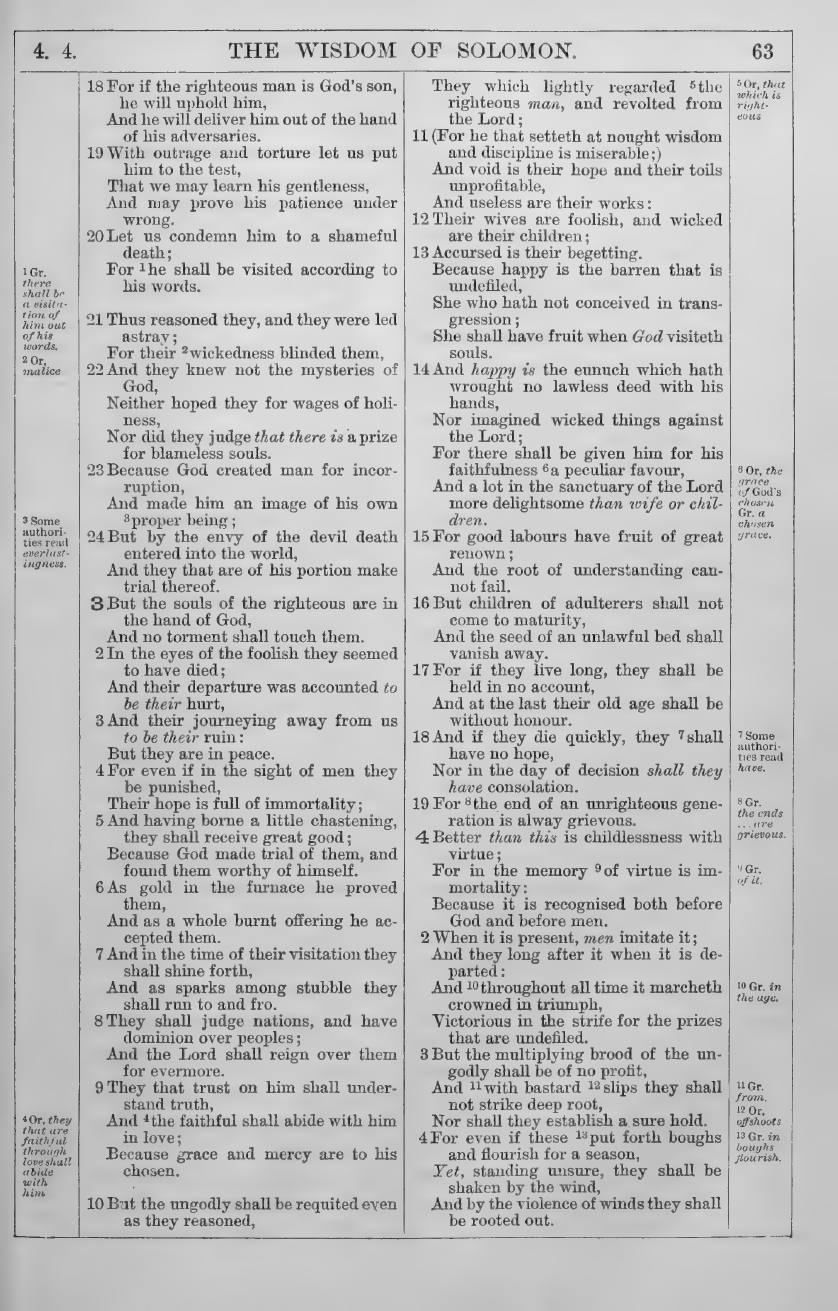
Wisdom of Solomon 2:21–3:1, the book’s reply: “Thus reasoned they, and they were led astray; For their wickedness blinded them, And they knew not the mysteries of God, Neither hoped they for wages of holiness, Nor did they judge that there is a prize for blameless souls. Because God created man for incorruption, And made him an image of his own proper being; But by the envy of the devil death entered into the world, And they that are of his portion make trial thereof. But the souls of the righteous are in the hand of God, And no torment shall touch them.” Wisdom of Solomon 2:18–3:3 (Revised Version, 1895)
Lactantius
Section titled “Lactantius”Source for all quotations below: The Ante-Nicene Fathers, Vol. VII (Roberts & Donaldson, eds.), William Fletcher’s translation, containing De Ira Dei (“On the Anger of God”), The Divine Institutes, and De Opificio Dei (“On the Workmanship of God”).
General Attacks on Epicurus and the Epicureans
De Ira Dei 4: “That which follows is concerning the school of Epicurus; that as there is no anger in God, so indeed there is no kindness. For when Epicurus thought that it was inconsistent with God to injure and to inflict harm, which for the most part arises from the affection of anger, he took away from Him beneficence also, since he saw that it followed that if God has anger, He must also have kindness.” Epicurus is named directly as Lactantius’s target for the whole treatise from this point forward. Lactantius, De Ira Dei 4 (tr. Fletcher, ANF)
Divine Institutes III.17: “The system of Epicurus was much more generally followed than those of the others; not because it brings forward any truth, but because the attractive name of pleasure invites many. For every one is naturally inclined to vices.” Lactantius, Divine Institutes III.17 (tr. Fletcher, ANF)
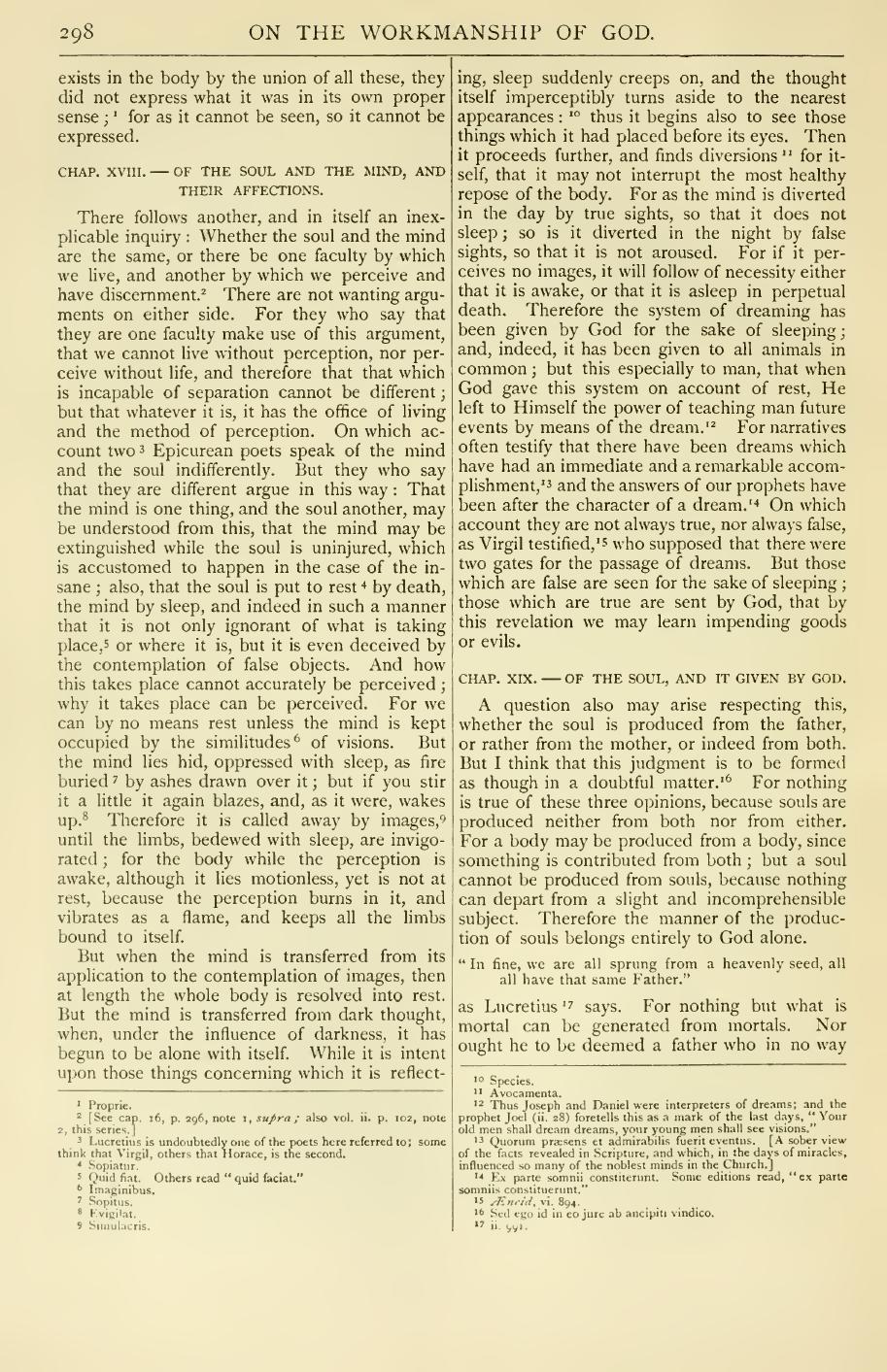
Divine Institutes II.9, on Epicurus’s denial that matter/the world had a beginning: “the crazy Epicurus lived, who alone ventured to deny that which is most evident, doubtless through the desire of discovering novelties, that he might found a sect in his own name. And because he could find out nothing new, that he might still appear to disagree with the others, he wished to overthrow old opinions.” Lactantius, Divine Institutes II.9 (tr. Fletcher, ANF)
Atomism and Materialism
Divine Institutes III.17, on the atomist lineage: “For where or from whence are these atoms? Why did no one dream of them besides Leucippus? from whom Democritus, having received instructions, left to Epicurus the inheritance of his folly.” Lactantius, Divine Institutes III.17 (tr. Fletcher, ANF)
De Opificio Dei III, on the Epicureans’ account of the world’s origin: “they ascribe the origin of all things to indivisible and solid bodies, from the fortuitous meetings of which they say that all things are and were produced.” Lactantius, De Opificio Dei III (tr. Fletcher, ANF)
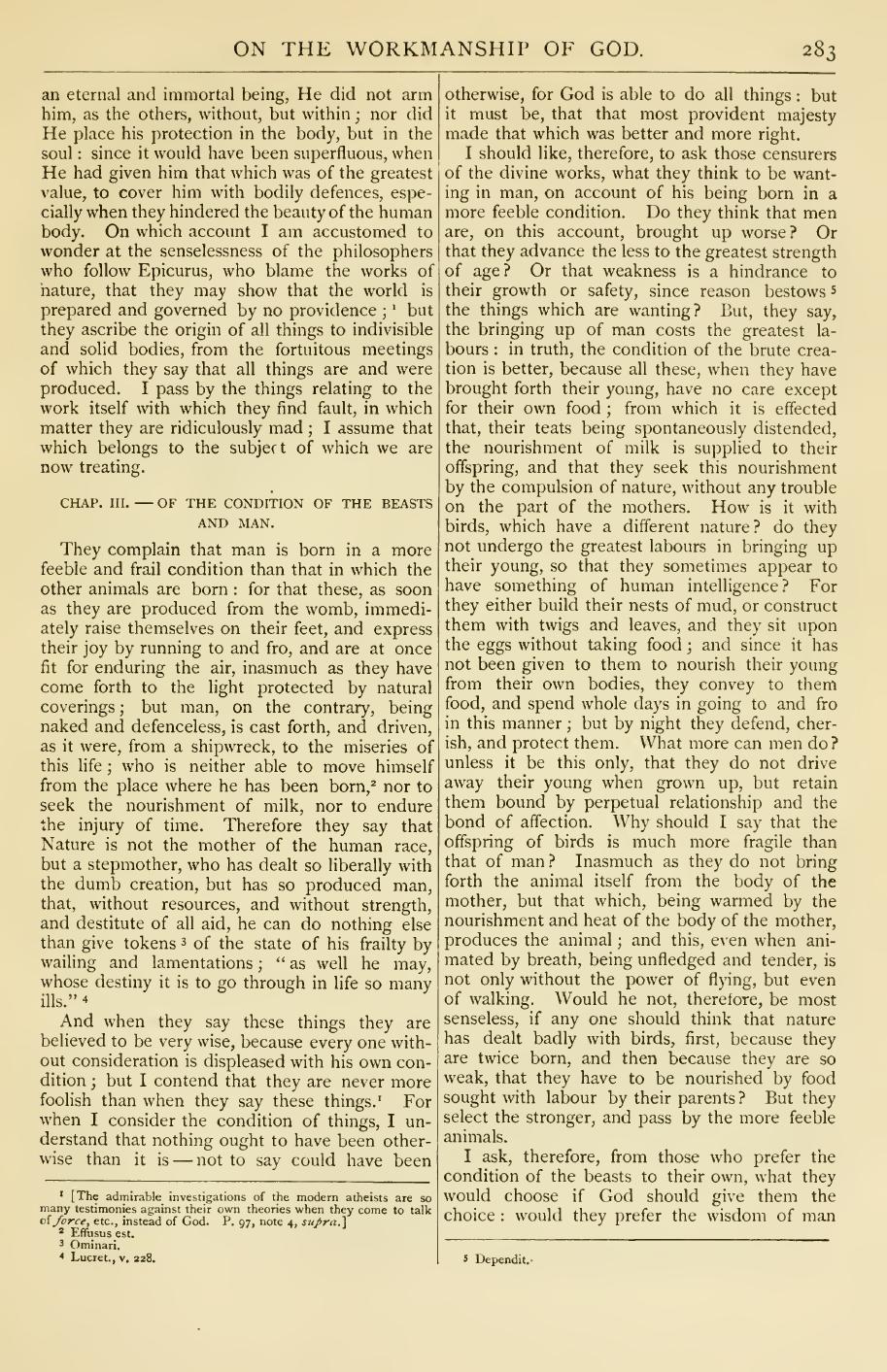
De Opificio Dei XVIII, on Epicurean poets (Lucretius) collapsing mind and soul into one material faculty: “two Epicurean poets speak of the mind and the soul indifferently.” Lactantius, De Opificio Dei XVIII (tr. Fletcher, ANF)
The Eternity of the Universe
Divine Institutes II.9 (same passage as above), the context being Lactantius’s account of the ancient consensus, from the “first seven wise men” through Socrates and Plato, that the world had a beginning — a consensus he says Epicurus alone rejected. See clip above.
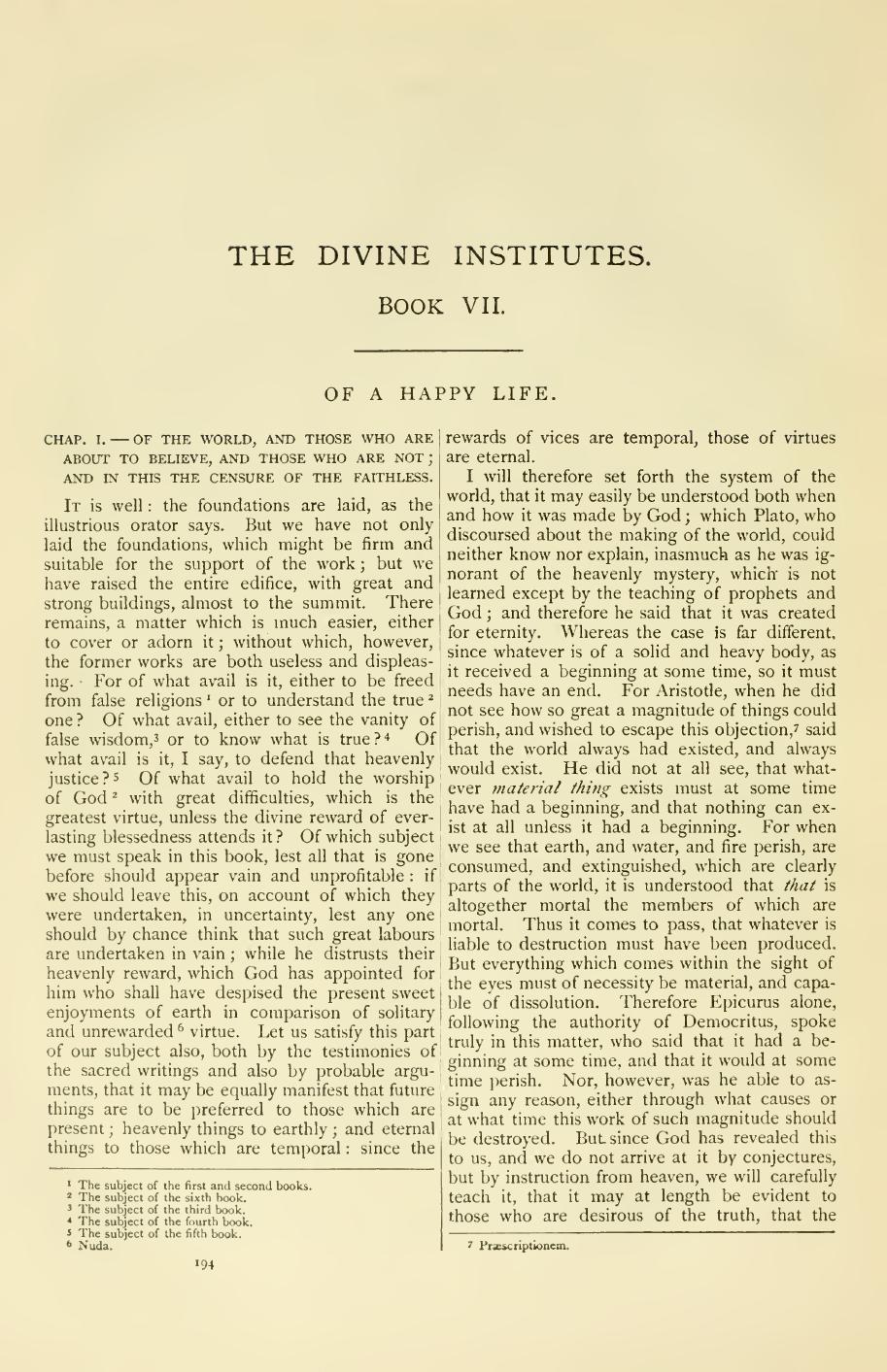
Divine Institutes VII.1 — here Lactantius’s engagement is more complicated than a flat denial: he credits Epicurus with getting the world’s mortality right (against Plato and Aristotle, who held that it would last forever), while faulting him for not explaining why or when it will end: “Epicurus alone, following the authority of Democritus, spoke truly in this matter, who said that it had a beginning at some time, and that it would at some time perish. Nor, however, was he able to assign any reason, either through what causes or at what time this work of such magnitude should be destroyed.” Lactantius, Divine Institutes VII.1 (tr. Fletcher, ANF)
The Absence of a Designer, and Chance
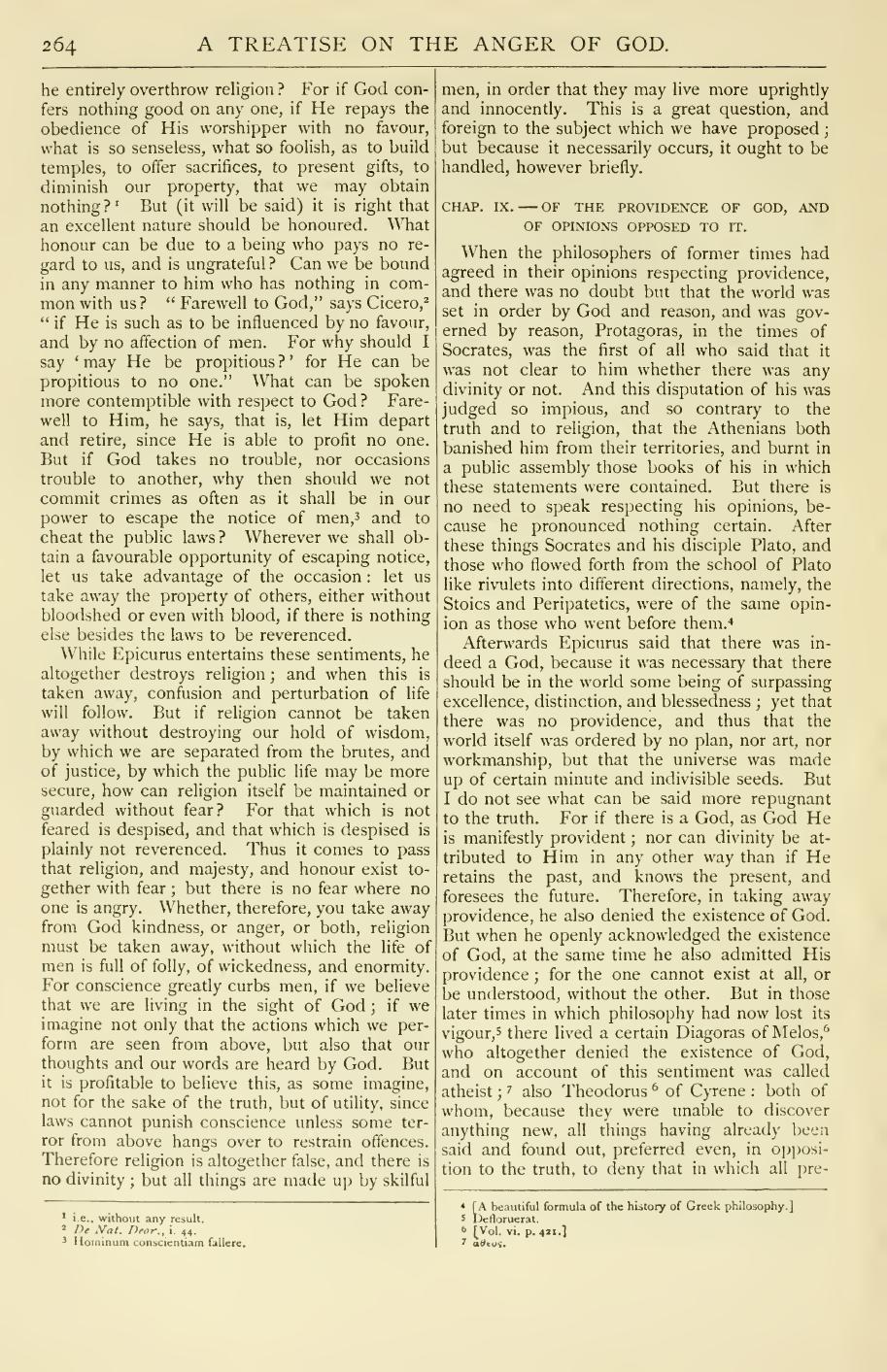
De Ira Dei 9: “Epicurus said that there was indeed a God, because it was necessary that there should be in the world some being of surpassing excellence, distinction, and blessedness; yet that there was no providence, and thus that the world itself was ordered by no plan, nor art, nor workmanship.” Lactantius, De Ira Dei 8-9 (tr. Fletcher, ANF)
De Ira Dei 10, on the atomist account of the world’s formation (Democritus and Epicurus treated together): “These, he says, flutter about with restless motions through empty space, and are carried hither and thither, just as we see little particles of dust in the sun when it has introduced its rays and light through a window. From these there arise trees and herbs, and all fruits of the earth; from these, animals, and water, and fire, and all things are produced, and are again resolved into the same elements.” Lactantius, De Ira Dei 10 (tr. Fletcher, ANF)
Divine Institutes I.2, on the source of the chance-vs-providence dispute: “a providence which consults for all things, or all things were either made or are governed by chance; which sentiment was introduced by Democritus, and confirmed by Epicurus.” Lactantius, Divine Institutes I.2 (tr. Fletcher, ANF)
Divine Institutes II.9, on the “how could God have built the world without hands or tools” argument: “as often as he follows the Epicureans, and does not admit that the world was made by God, is wont to inquire by what hands, by what machines, by what levers, by what contrivance, He made this work of such magnitude.” Lactantius, Divine Institutes II.9 (tr. Fletcher, ANF)
Divine Institutes VII.4, on the chance-collision account of the world’s formation: “because Epicurus or Democritus was unable to teach this, he said that it was produced of its own accord, by the seeds coming together in all directions; and that when these are again resolved, discord and destruction will follow.” Lactantius, Divine Institutes VII.4 (tr. Fletcher, ANF)
Divine Institutes VII.5, Epicurus questioning any purpose behind man’s creation: “What advantage is there to God in man, says Epicurus, that He should make him for His own sake?” Lactantius, Divine Institutes VII.5 (tr. Fletcher, ANF)
De Opificio Dei VI, on Epicurus’s account of the body’s organs as pre-existing their use rather than being made for it: “Epicurus saw in the bodies of animals the skill of a divine plan; but that he might carry into effect that which he had before imprudently assumed, he added another absurdity agreeing with the former. For he said that the eyes were not produced for seeing, nor the ears for hearing, nor the feet for walking, since these members were produced before there was exercise of seeing, hearing, and walking; but that all the offices of these members arose from them after their production… What do you say, Epicurus? Were not the eyes produced for seeing? Why, then, do they see?” Lactantius, De Opificio Dei VI (tr. Fletcher, ANF)
The Denial of Divine Providence Over Human Affairs
De Ira Dei 8, the core statement of Epicurean theology as Lactantius presents it, quoting Lucretius (De Rerum Natura ii.646) as Epicurus’s own voice: “For the nature of gods must ever in itself of necessity enjoy immortality together with supreme repose, far removed and withdrawn from our concerns; since, exempt from every pain, exempt from all dangers, strong in its own resources, not wanting anything of us, it is neither gained by favours nor moved by anger.” Lactantius, De Ira Dei 8 (tr. Fletcher, ANF)
Divine Institutes III (chief-good discussion), a supplementary statement of Epicurean theology: “Epicurus calls God happy and incorruptible, because He is everlasting.” Lactantius, Divine Institutes III (tr. Fletcher, ANF)
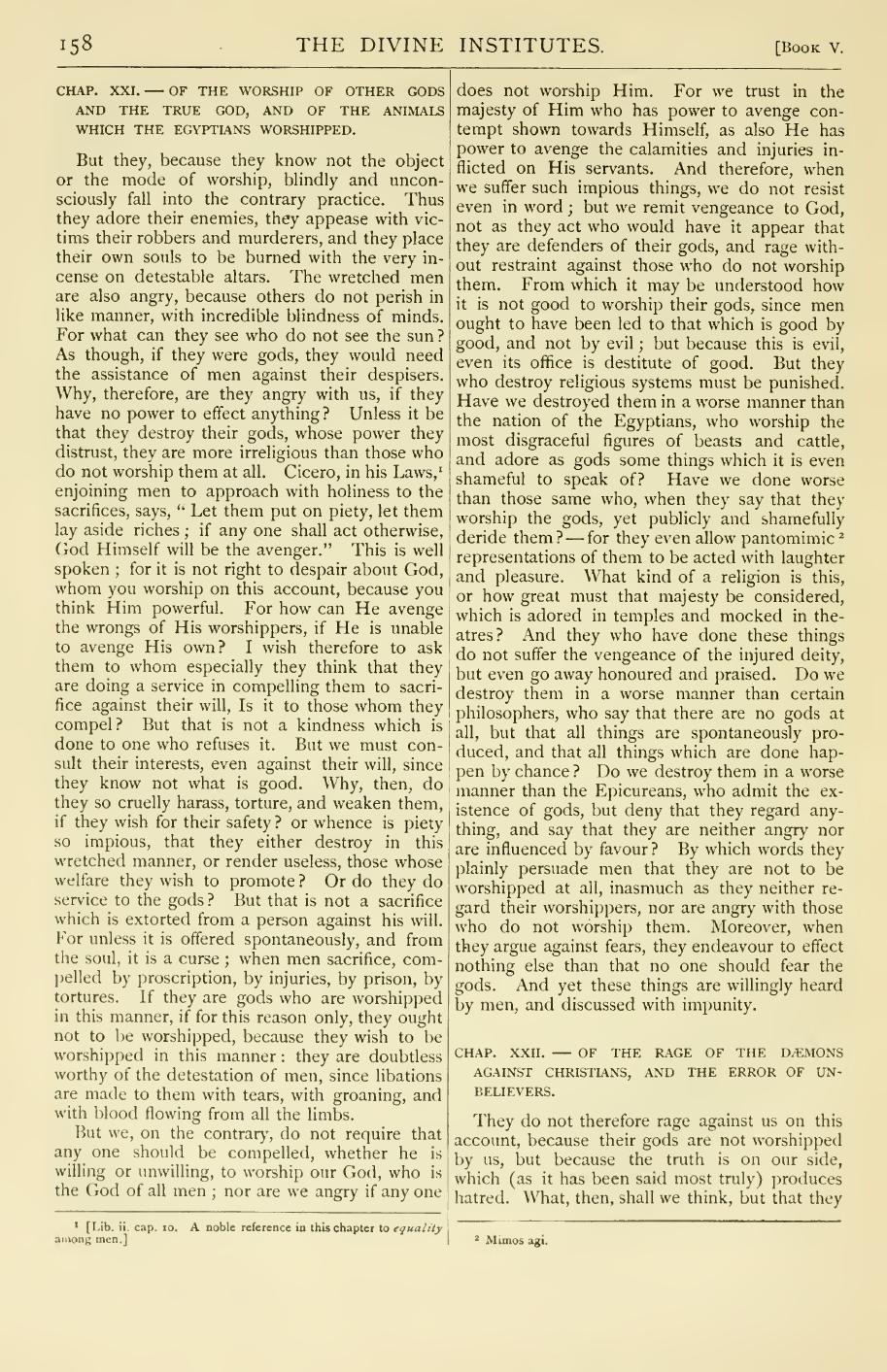
Divine Institutes V.22, on the practical/pastoral consequence of Epicurean theology: “Do we destroy them in a worse manner than the Epicureans, who admit the existence of gods, but deny that they regard anything, and say that they are neither angry nor are influenced by favour? By which words they plainly persuade men that they are not to be worshipped at all, inasmuch as they neither regard their worshippers, nor are angry with those who do not worship them.” Lactantius, Divine Institutes V.22 (tr. Fletcher, ANF)
The Mortality of the Soul and the Denial of an Afterlife
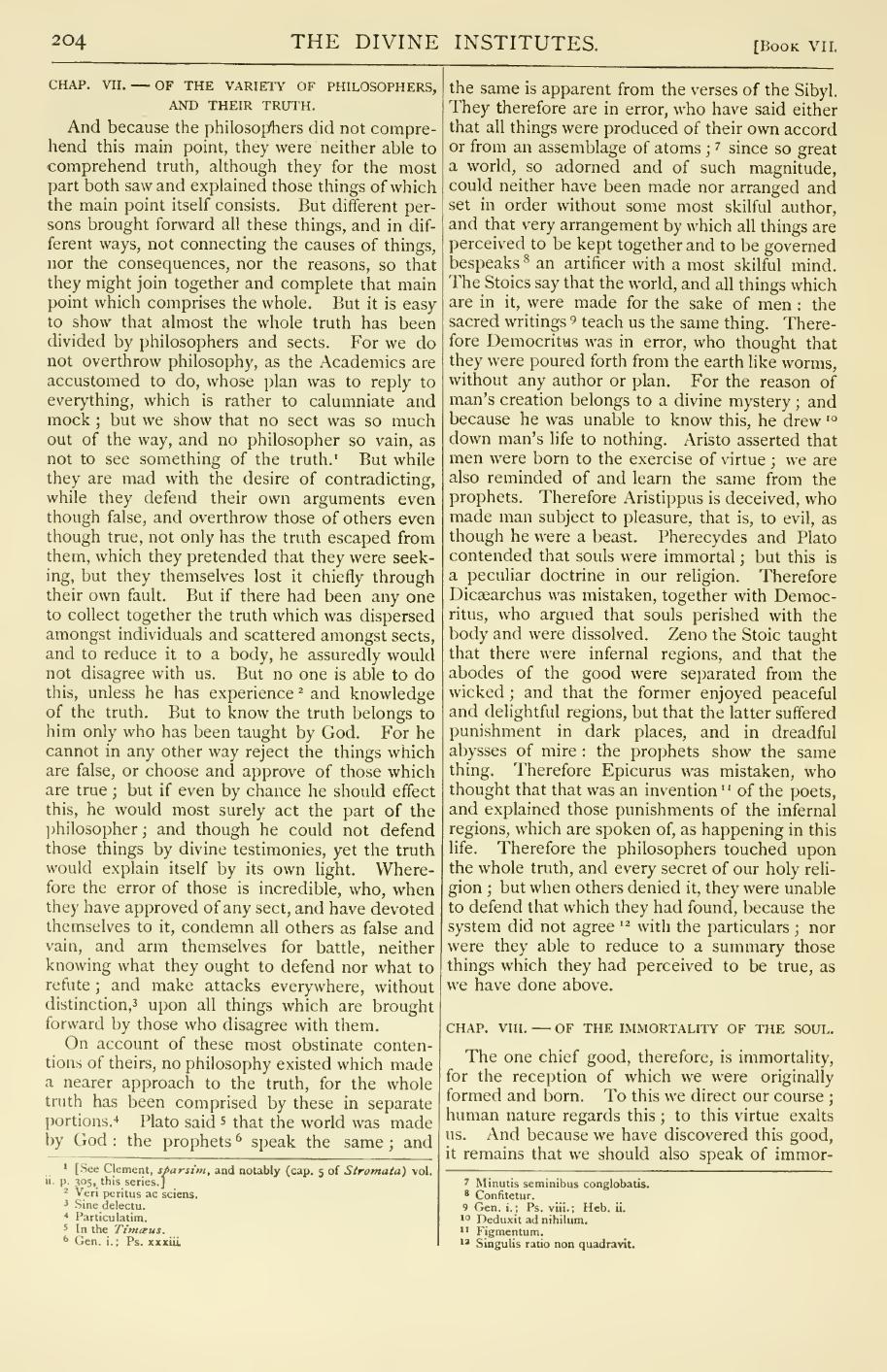
Divine Institutes VII.7, on Epicurus’s reading of underworld-punishment myths as descriptions of this life rather than the next: “Epicurus was mistaken, who thought that that was an invention of the poets, and explained those punishments of the infernal regions, which are spoken of, as happening in this life.”
Divine Institutes VII.7 (same chapter, a few sentences earlier), grouping Epicurus with Democritus and Dicaearchus on the soul’s mortality: “Dicæarchus was mistaken, together with Democritus, who argued that souls perished with the body and were dissolved.” Lactantius, Divine Institutes VII.7 (tr. Fletcher, ANF)
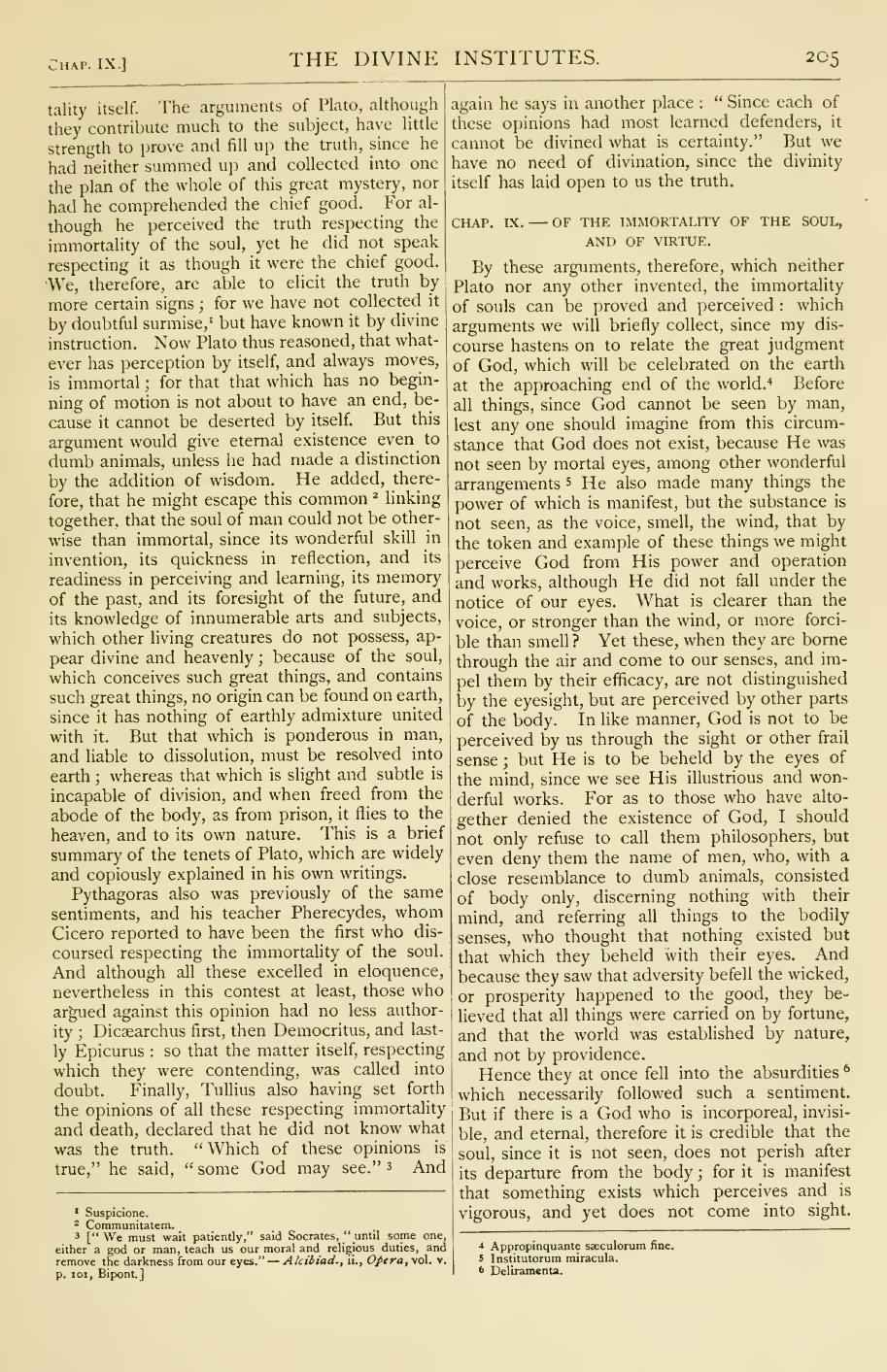
Divine Institutes VII.7 (end of the chapter), naming the same three together as the leading ancient opponents of the soul’s immortality: “those who argued against this opinion had no less authority; Dicæarchus first, then Democritus, and lastly Epicurus: so that the matter itself, respecting which they were contending, was called into doubt.” Lactantius, Divine Institutes VII.7 (tr. Fletcher, ANF)
Divine Institutes III.17, a direct quotation of Epicurus’s own words (Principal Doctrine 2), embedded by Lactantius as the target of his rebuttal: “When we are in existence, death does not exist; when death exists, we have no existence: therefore death is nothing to us.” Lactantius’s reply follows immediately: “How cleverly he has deceived us! As though it were death now completed which is an object of fear, by which sensation has been already taken away, and not the very act of dying, by which sensation is being taken from us.” Lactantius, Divine Institutes III.17 (tr. Fletcher, ANF)
Pleasure as the Goal of Life
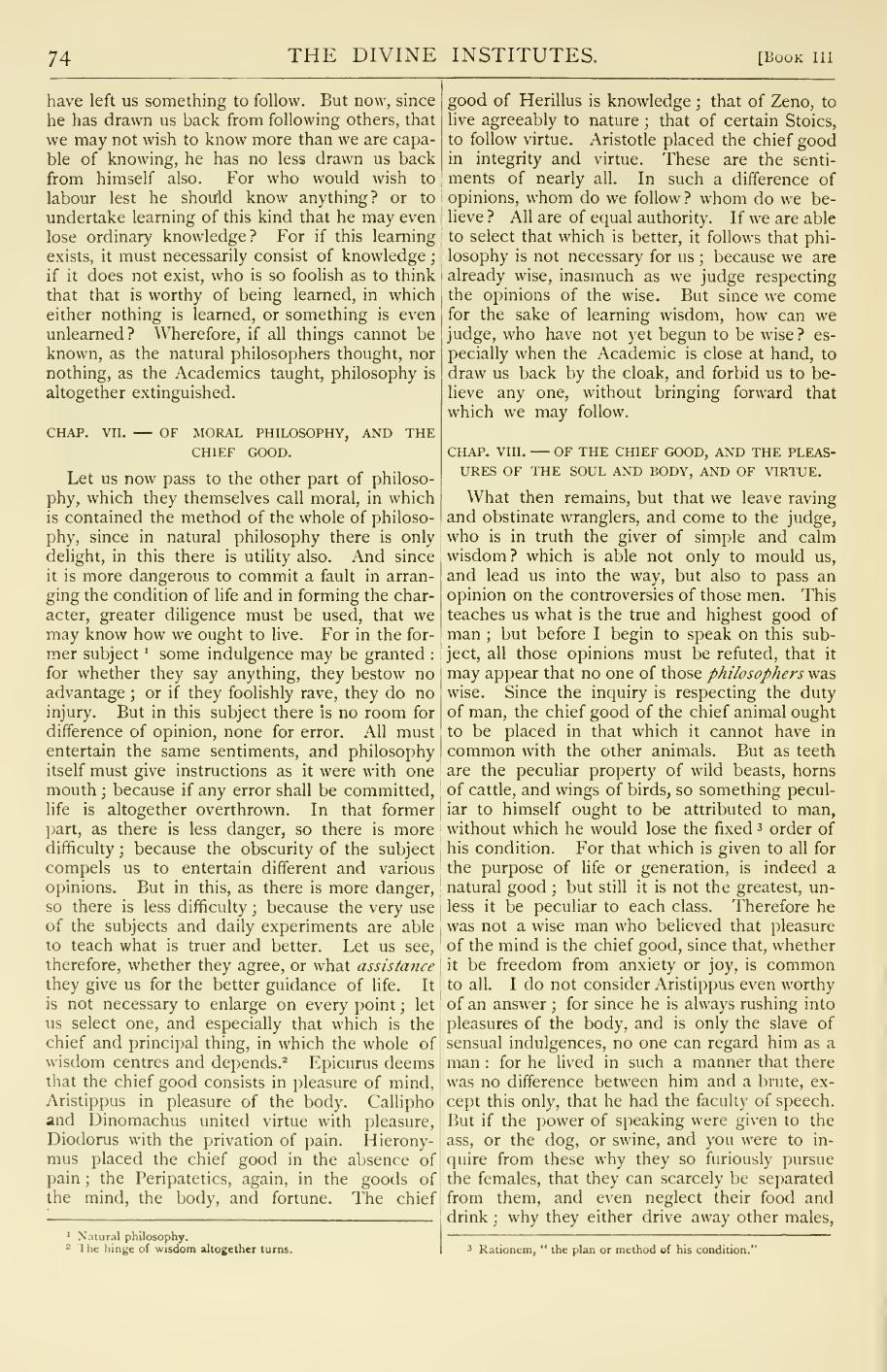
Divine Institutes III.7, in a catalogue of rival schools’ answers to “the chief good”: “Epicurus deems that the chief good consists in pleasure of mind, Aristippus in pleasure of the body. Callipho and Dinomachus united virtue with pleasure, Diodorus with the privation of pain, Hieronymus placed the chief good in the absence of pain; the Peripatetics, again, in the goods of the mind, the body, and fortune.” Lactantius’s point in context is not a targeted refutation of Epicurus specifically but an argument from the philosophers’ mutual disagreement itself: “In such a difference of opinions, whom do we follow? whom do we believe?” — the existence of rival, contradictory answers is offered as proof that unaided philosophy cannot reach the chief good at all. Lactantius, Divine Institutes III.7 (tr. Fletcher, ANF)
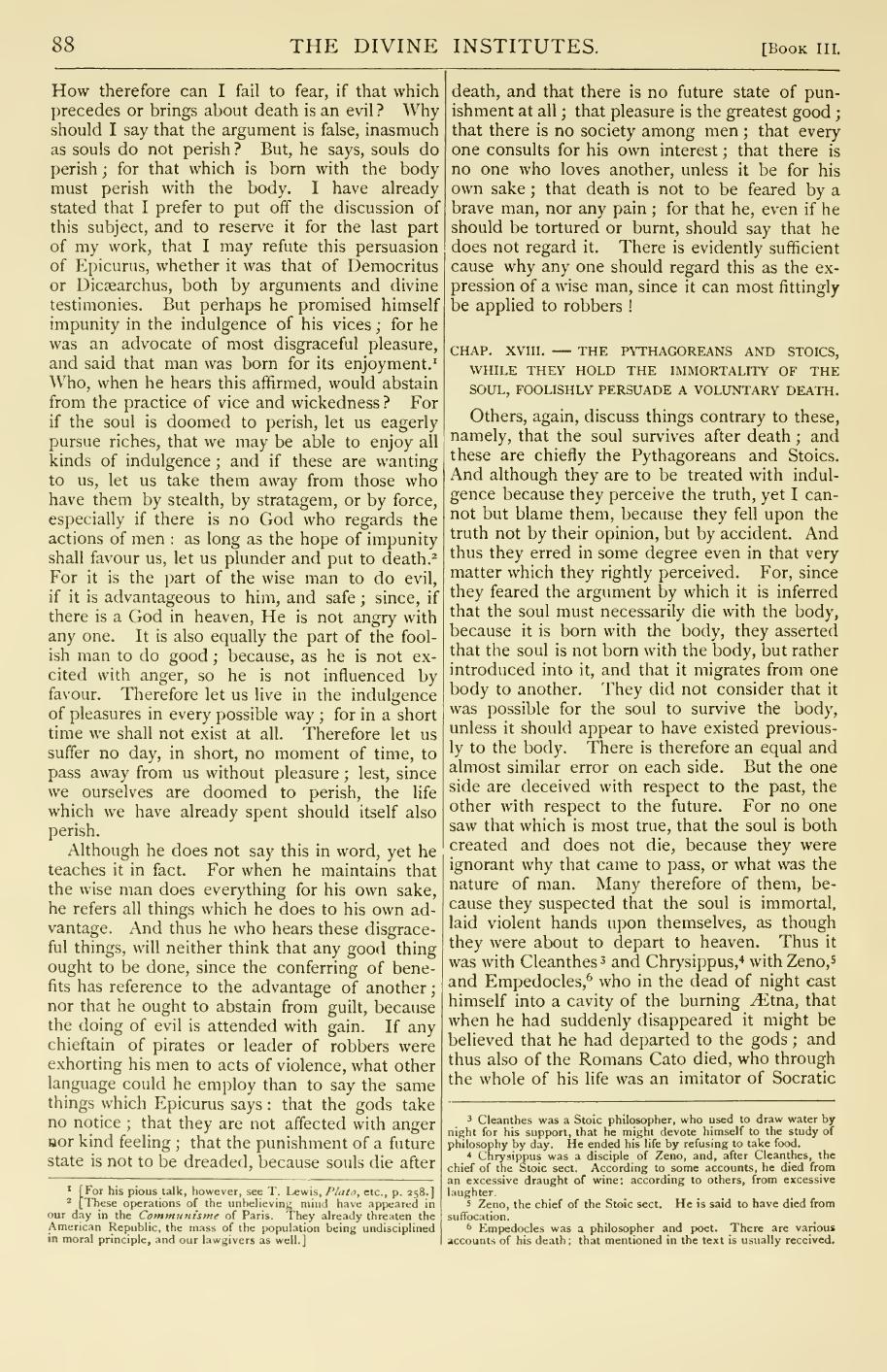
Divine Institutes III.17, on pleasure as the standard of a life well lived: “he was an advocate of most disgraceful pleasure, and said that man was born for its enjoyment.” Lactantius, Divine Institutes III.17 (tr. Fletcher, ANF)
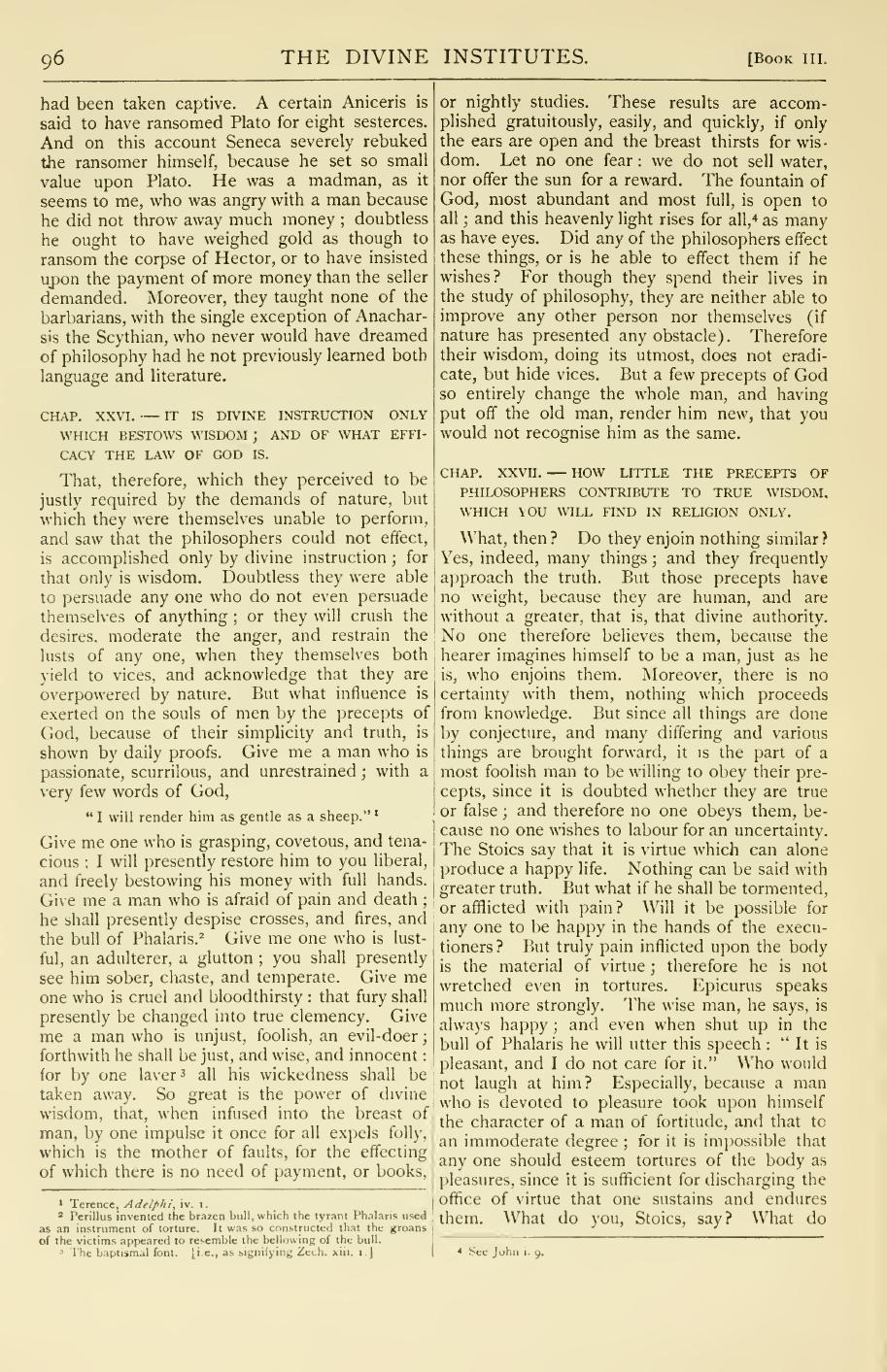
Divine Institutes III.27, on the Epicurean claim that the wise man is happy under any torment: “Epicurus speaks much more strongly. The wise man, he says, is always happy; and even when shut up in the bull of Phalaris he will utter this speech: ‘It is pleasant, and I do not care for it.’” Lactantius, Divine Institutes III.27 (tr. Fletcher, ANF)
The Argument That Without Divine Judgment There Is No Reason to Be Good
De Ira Dei 8, immediately following the passage quoted above, drawing out the practical consequence: “religion is altogether false, and there is no divinity; but all things are made up by skilful men, in order that they may live more uprightly and innocently” — stated as the conclusion an honest reader must draw if Epicurus’s account of a remote, unmoved God is accepted, and the very possibility Lactantius is arguing against. Lactantius, De Ira Dei 8 (tr. Fletcher, ANF)
Divine Institutes III.17, drawing out the same practical consequence from soul-mortality: “if the soul is doomed to perish, let us eagerly pursue riches, that we may be able to enjoy all kinds of indulgence; and if these are wanting to us, let us take them away from those who have them by stealth, by stratagem, or by force… For it is the part of the wise man to do evil, if it is advantageous to him, and safe… Therefore let us live in the indulgence of pleasures in every possible way.” Lactantius adds: “Although he does not say this in word, yet he teaches it in fact.” Lactantius, Divine Institutes III.17 (tr. Fletcher, ANF)
Divine Institutes Books IV and VI do not mention Epicurus.
Augustine, City of God
Section titled “Augustine, City of God”Source for all quotations below: A Select Library of the Nicene and Post-Nicene Fathers of the Christian Church, First Series, Vol. II (Philip Schaff, ed.), Marcus Dods’s translation of The City of God.
General Attacks on Epicurus and the Epicureans
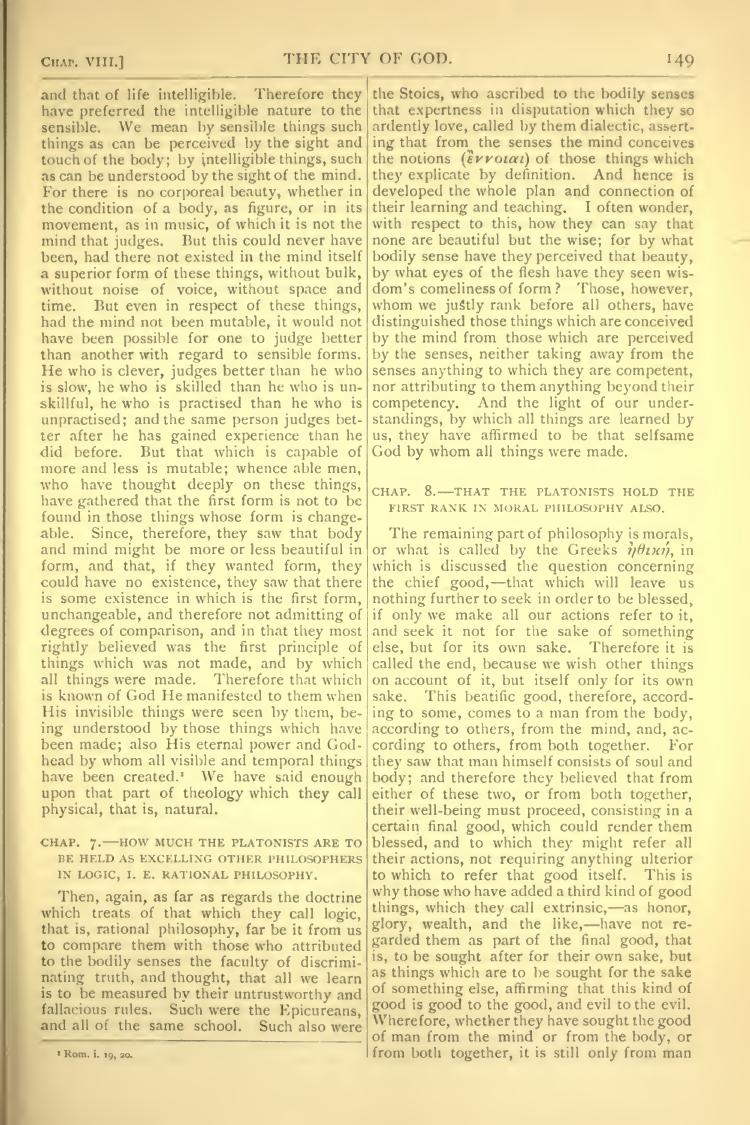
City of God VIII.7, Augustine grouping Epicurus with the Stoics as philosophers who wrongly made the bodily senses the standard of truth: “to compare them with those who attributed to the bodily senses the faculty of discriminating truth, and thought that all we learn is to be measured by their untrustworthy and fallacious rules. Such were the Epicureans, and all of the same school.” Augustine, City of God VIII.7 (tr. Dods, NPNF)
Atomism and Materialism
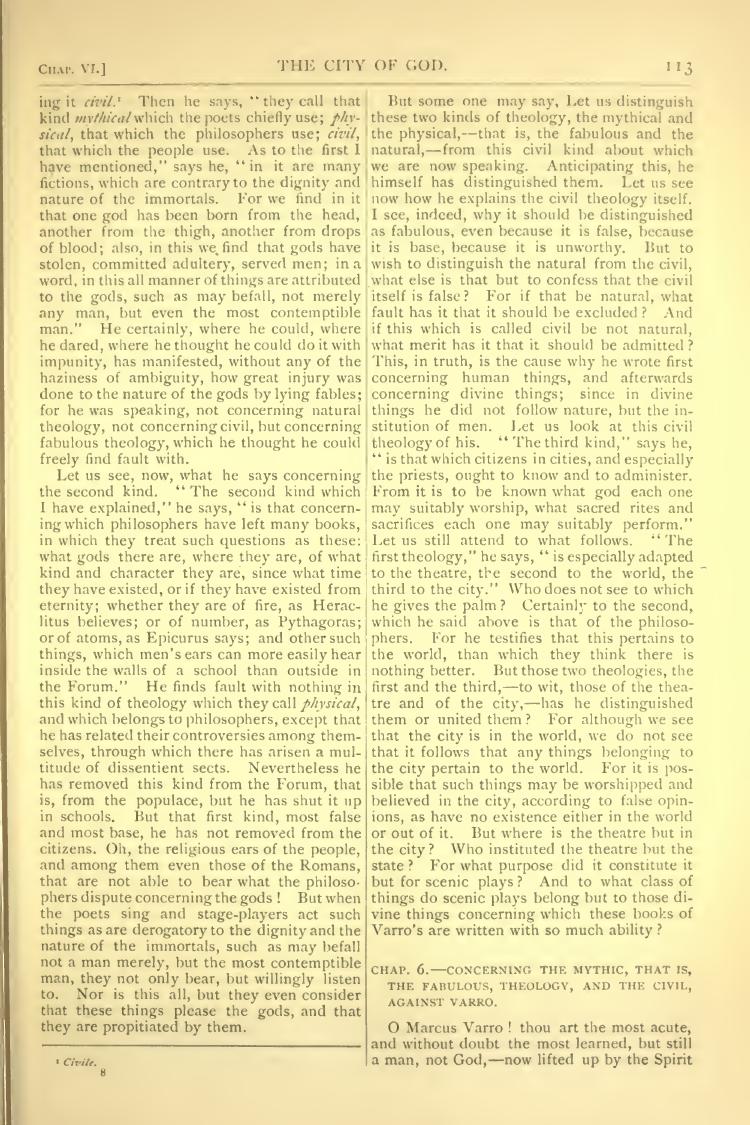
City of God VI.5, Augustine reporting Varro’s own classification of “physical” theology, in which Epicurus’s atomism sits alongside Heraclitus’s fire and Pythagoras’s number as one philosophical account of the gods’ nature: “what gods there are, where they are, of what kind and character they are, since what time they have existed, or if they have existed from eternity; whether they are of fire, as Heraclitus believes; or of number, as Pythagoras; or of atoms, as Epicurus says.” Augustine, City of God VI.5 (tr. Dods, NPNF)
City of God VIII.5, on Epicurus’s atomism as a first-principle materialism in the same rank as Thales’s water and Anaximenes’s air: “Epicurus, who affirmed that it consisted of atoms, that is to say, of minute corpuscules; and many others whom it is needless to enumerate, but who believed that bodies, simple or compound, animate or inanimate, but nevertheless bodies, were the cause and principle of all things.” Augustine, City of God VIII.5 (tr. Dods, NPNF)
City of God VIII.5 (same chapter, continuing), on the Epicureans’ account of living things arising from non-living matter: “For some of them — as, for instance, the Epicureans — believed that living things could originate from things without life.” Augustine, City of God VIII.5 (tr. Dods, NPNF)
The Eternity of the Universe
City of God XI.5, on Epicurus’s doctrine of infinite worlds arising from the chance movement of atoms, raised as the position an opponent of divine creation would be driven to: “will it not follow that they must adopt Epicurus’ dream of innumerable worlds? With this difference only, that he asserts that they are formed and destroyed by the fortuitous movements of atoms, while they will hold that they are made by God’s hand.” Augustine, City of God XI.5 (tr. Dods, NPNF)
The Denial of Divine Providence Over Human Affairs
City of God XVIII.41, contrasting the Epicureans with the Stoics on providence over human affairs: “The Epicureans asserted that human affairs were not under the providence of the gods; and the Stoics, holding the opposite opinion, agreed that they were ruled and defended by favorable and tutelary gods.” Augustine, City of God XVIII.41 (tr. Dods, NPNF)
City of God XVIII.41 (same chapter), pointing out that Athens tolerated Epicurus’s denial that the gods inhabit or govern the world at all, while it had condemned Anaxagoras merely for denying the sun was a god: “why, then, was Anaxagoras accused of a crime for saying that the sun was a burning stone, and denying that it was a god at all; while in the same city Epicurus flourished gloriously and lived securely, although he not only did not believe that the sun or any star was a god, but contended that neither Jupiter nor any of the gods dwelt in the world at all, so that the prayers and supplications of men might reach them?” Augustine, City of God XVIII.41 (tr. Dods, NPNF)
Pleasure as the Goal of Life
City of God V.20, on the Epicureans making bodily health/pleasure the standard by which even the virtues are to be measured: “Temperance she commands to take only a certain quantity even of the most favorite food, lest, through immoderate use, anything prove hurtful by disturbing the health of the body, and thus Pleasure, which the Epicureans make to consist chiefly in the health of the body, be grievously offended. Thus the virtues, with the whole dignity of their glory, will be the slaves of Pleasure.” Augustine, City of God V.20 (tr. Dods, NPNF)
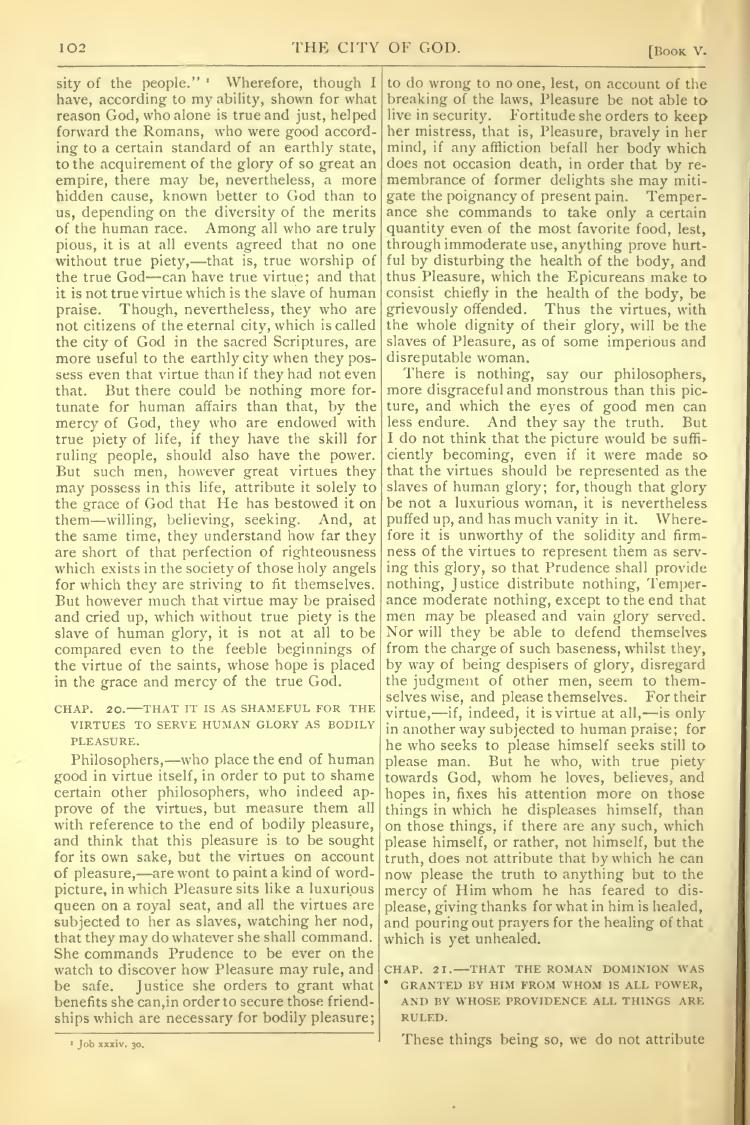
City of God XIV.2, naming the Epicureans directly as the philosophers who “live after the flesh” because they make bodily pleasure the highest good: “suppose that the Epicurean philosophers live after the flesh, because they place man’s highest good in bodily pleasure.” Augustine, City of God XIV.2 (tr. Dods, NPNF)
City of God XIX.1, Augustine’s report of Varro’s classification of the philosophical sects by their account of the highest good, naming Epicurus as the one who collapses pleasure and repose into a single good: “either pleasure, which is an agreeable stirring of the bodily sense; or repose, which excludes every bodily inconvenience; or both these, which Epicurus calls by the one name, pleasure.” Varro via Augustine, City of God XIX.1 (tr. Dods, NPNF)

Augustine, Confessions
Section titled “Augustine, Confessions”Source for the quotation below: A Select Library of the Nicene and Post-Nicene Fathers of the Christian Church, First Series, Vol. I (Philip Schaff, ed.), J. G. Pilkington’s translation of The Confessions.
The Mortality of the Soul and the Denial of an Afterlife and Pleasure as the Goal of Life (the passage argues both at once)
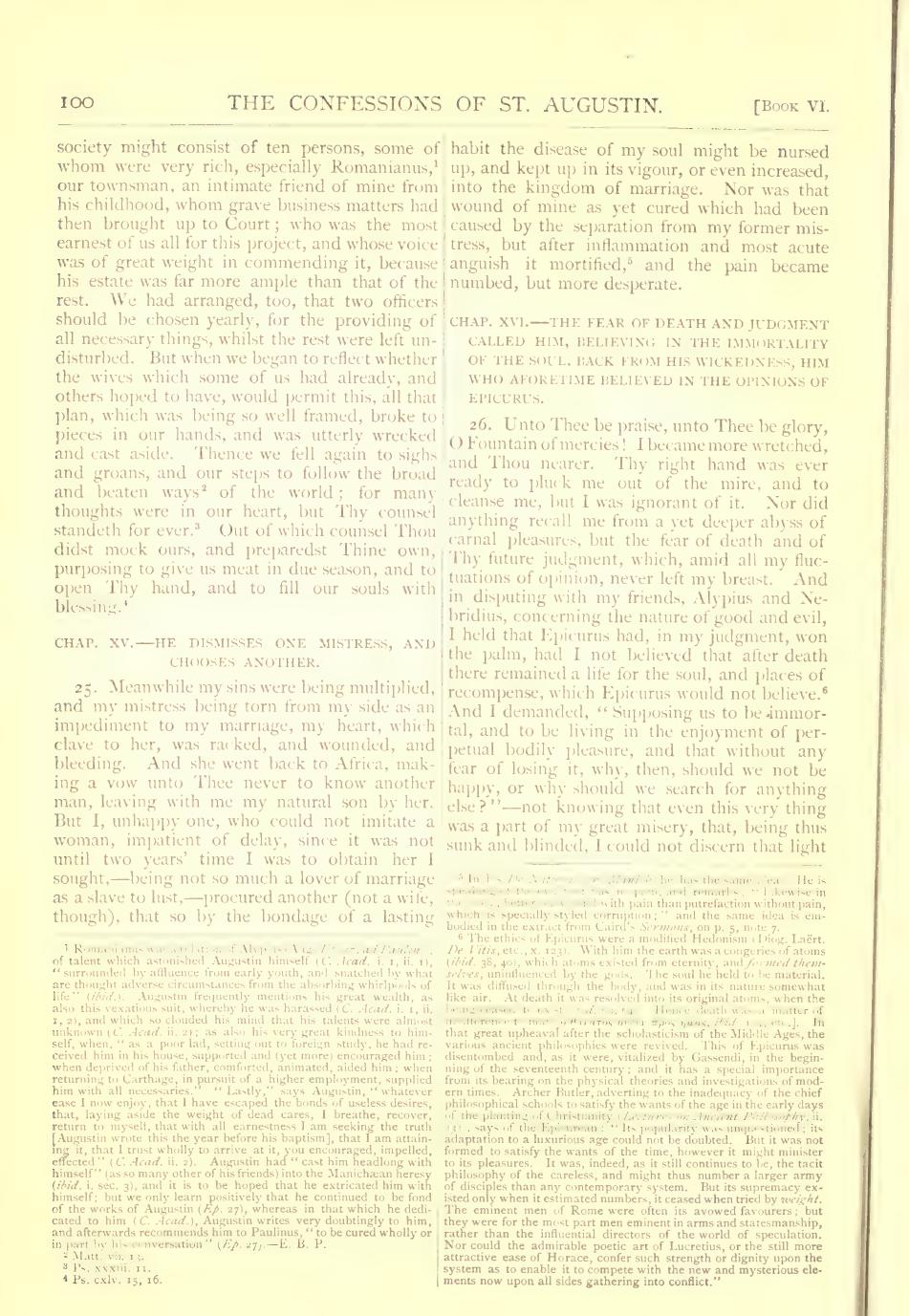
Confessions VI.16, section 26. Unlike the hostile treatments above, this passage is Augustine candidly conceding Epicureanism’s appeal rather than attacking it: he recalls that in debating the nature of good and evil with his friends Alypius and Nebridius, only his belief in an afterlife and future judgment kept him from conceding the argument to Epicurus. “And in disputing with my friends, Alypius and Nebridius, concerning the nature of good and evil, I held that Epicurus had, in my judgment, won the palm, had I not believed that after death there remained a life for the soul, and places of recompense, which Epicurus would not believe. And I demanded, ‘Supposing us to be immortal, and to be living in the enjoyment of perpetual bodily pleasure, and that without any fear of losing it, why, then, should we not be happy, or why should we search for anything else?’ — not knowing that even this very thing was a part of my great misery, that, being thus sunk and blinded, I could not discern that light of virtue and of beauty to be embraced for its own sake, which the eye of flesh cannot see, and is seen only from within.” Augustine, Confessions VI.16 (tr. Pilkington, NPNF)
Augustine, Contra Academicos
Section titled “Augustine, Contra Academicos”The published English translations of Contra Academicos (Kavanagh, 1943; O’Meara, 1951; King, 1995) are all still under copyright. The quotations below are therefore translated directly from the Latin text of the CSEL critical edition, Sancti Aureli Augustini Contra Academicos Libri Tres (Pius Knöll, ed.), Vienna/Leipzig, 1922, and each is linked to the scanned Latin page it comes from. The English renderings are original translations of that Latin text, not quotations of any published translator.
Arguments Against Scepticism (Compatible With Epicurus, Not an Attack)
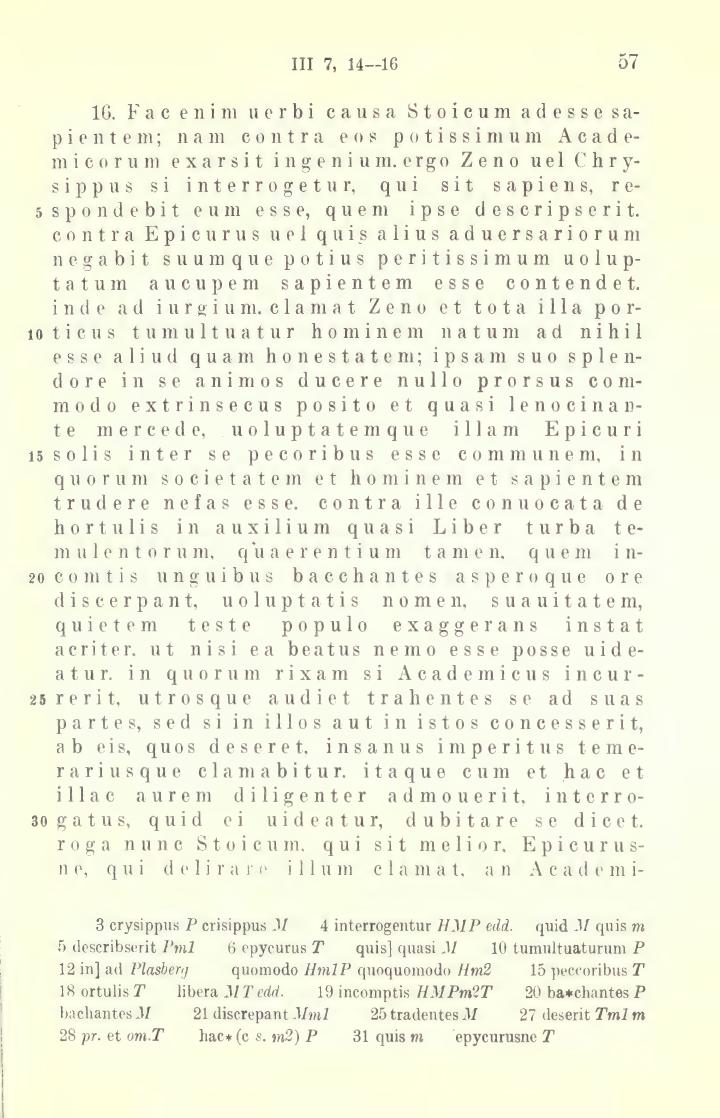
Contra Academicos III.7.15–16 stages an imagined three-way quarrel among a Stoic, an Epicurean, and an Academic over who the wise man is — and Augustine’s point is that the Academic’s perpetual suspension of judgment leaves him unable to referee it. Both parties invoke Epicurus by name in their mutual mockery, giving a rare glimpse of how the Stoic-Epicurean feud itself sounded to a later reader: “Suppose the Stoic wise man is present, for it was chiefly against them that the ingenuity of the Academics was roused. If Zeno or Chrysippus, then, is asked who the wise man is, he will answer that it is the one whom he himself has described. Against this, Epicurus, or any other of the opponents, will deny it, and will contend that his own most skilled hunter of pleasures is instead the wise man. Then comes the quarrel: Zeno shouts, and the whole Stoic Porch erupts, insisting that man is born for nothing but honor, that honor draws souls to itself by its own splendor with no reward attached from outside, and that Epicurus’s ‘pleasure’ is something shared only among beasts among themselves, into whose fellowship it is wrong to thrust either man or the wise man. Against them, he [the Epicurean], having called up from the Gardens, as if summoned by Bacchus, a crowd of the intoxicated as reinforcements — a crowd nonetheless looking, with unkempt nails and savage mouths, for someone to tear apart in their revelry — presses hard, extolling before the people the name of pleasure, its sweetness, its tranquility, until no one seems able to be happy without it. If the Academic runs into this brawl, he will hear both sides pulling him toward their own position; but if he gives way to either one, he will be denounced as mad, ignorant, and reckless by the side he abandons. So, having carefully lent an ear to both, when asked what he thinks, he will say only that he is in doubt. Now ask the Stoic which is better — Epicurus, who calls the Academic a madman, or the Academic, who says he must still deliberate about so great a matter — and no one doubts the Academic will be preferred. Then turn to the Epicurean instead and ask whom he loves more: Zeno, by whom he is called a beast, or Arcesilas, from whom he hears, ‘Perhaps you speak the truth, but I shall look into it more carefully’ — is it not plain that to Epicurus the whole Stoic Porch seems insane, while the Academics, by comparison, seem to him modest and cautious men?” Augustine, Contra Academicos III.7.15–16 (Latin, ed. Knöll, CSEL)
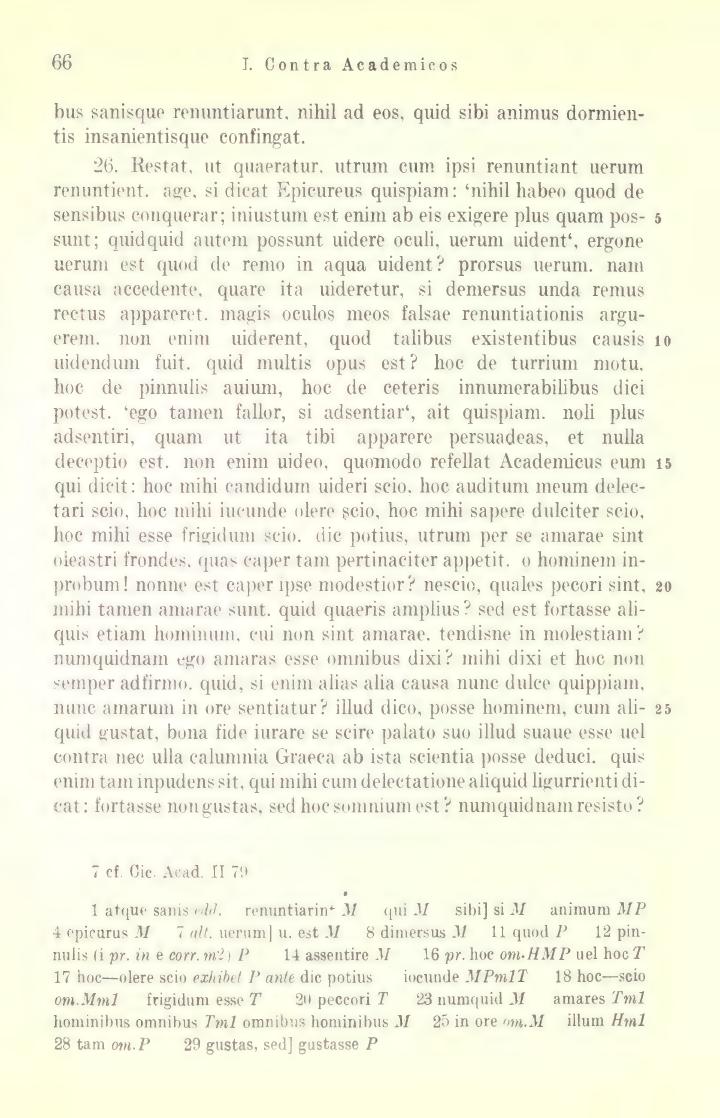
Contra Academicos III.11.25–26 has Augustine defending the reliability of the senses against the Academics by voicing the Epicurean position directly — a position that matches Epicurus’s own canonic doctrine that all sensations are true reports of what actually affects the senses: “Well then — suppose some Epicurean should say: ‘I have no complaint to make against the senses; for it is unjust to demand of them more than they can give; and whatever the eyes are able to see, they see truly.’” Augustine goes on to apply this exact reasoning himself against the Academic skeptics and adds: “Therefore no likeness of falsehoods confuses what I have said I know — and the Epicurean or the Cyrenaics might have much else to say besides in defense of the senses, against which I am told nothing has been said by the Academics.” Augustine, Contra Academicos III.11.25–26 (Latin, ed. Knöll, CSEL)
Pleasure as the Goal of Life
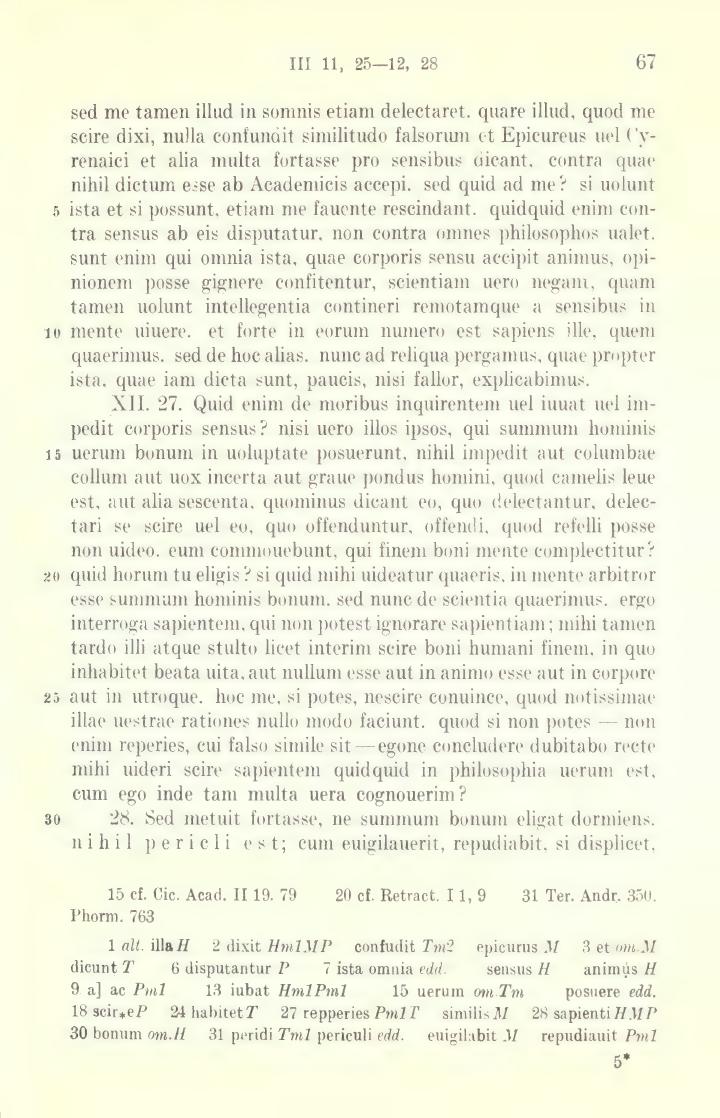
Contra Academicos III.12.27, continuing the same discussion, refers to “those who have placed the true highest good of man in pleasure” as unbothered by the senses’ apparent inconsistencies (a dove’s neck shifting color, a sound heard differently by different listeners) because, on this view, one only ever claims to know that one is pleased by what pleases or displeased by what displeases: “For how does bodily sense help or hinder one inquiring into morals? Indeed nothing hinders those very people who have placed the true highest good of man in pleasure — not a dove’s neck, not an uncertain sound, not a weight heavy for a man that is light for a camel, nor six hundred other such things — from saying that they know they are delighted by what delights them, or offended by what offends them.” Augustine, Contra Academicos III.12.27 (Latin, ed. Knöll, CSEL)
General Attacks on Epicurus and the Epicureans
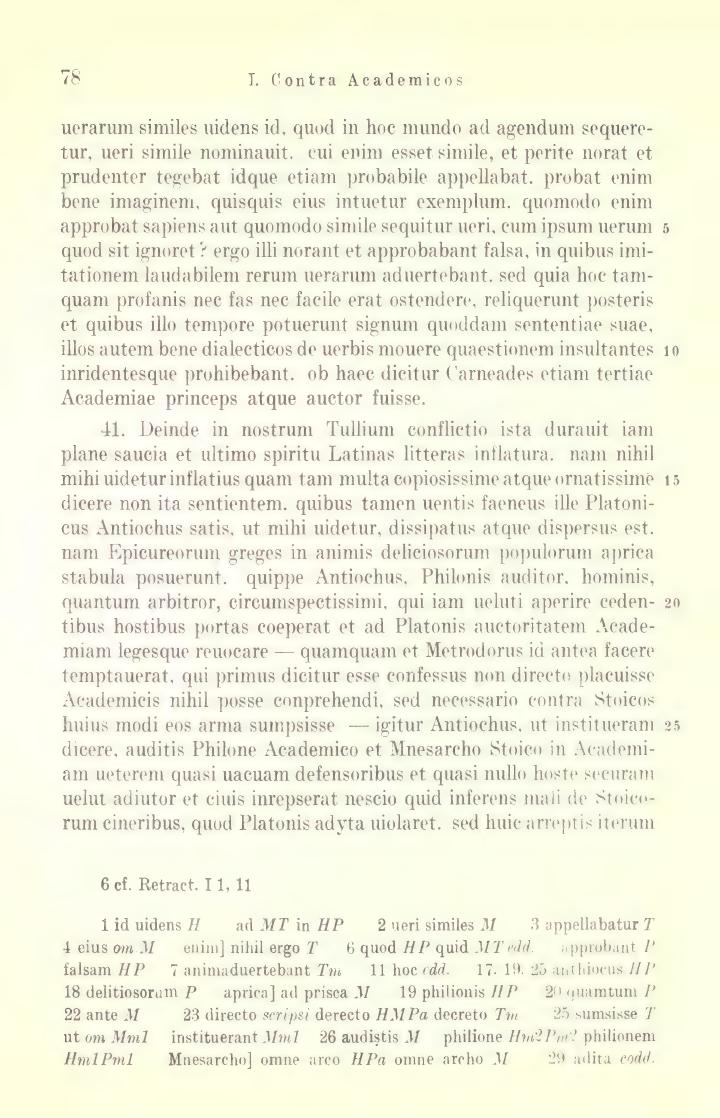
Contra Academicos III.17.41, a dismissive aside on Epicureanism’s popularity, uses the same livestock imagery found in the “swine of Epicurus’s herd” tradition: “For the herds of Epicureans have pitched their sunny stalls in the souls of self-indulgent peoples.” Augustine, Contra Academicos III.17.41 (Latin, ed. Knöll, CSEL)
Minucius Felix
Section titled “Minucius Felix”Source for the quotations below: The Ante-Nicene Fathers, Vol. IV (Roberts & Donaldson, eds.), the Rev. R. E. Wallis’s translation of The Octavius of Minucius Felix.
The Denial of Divine Providence Over Human Affairs
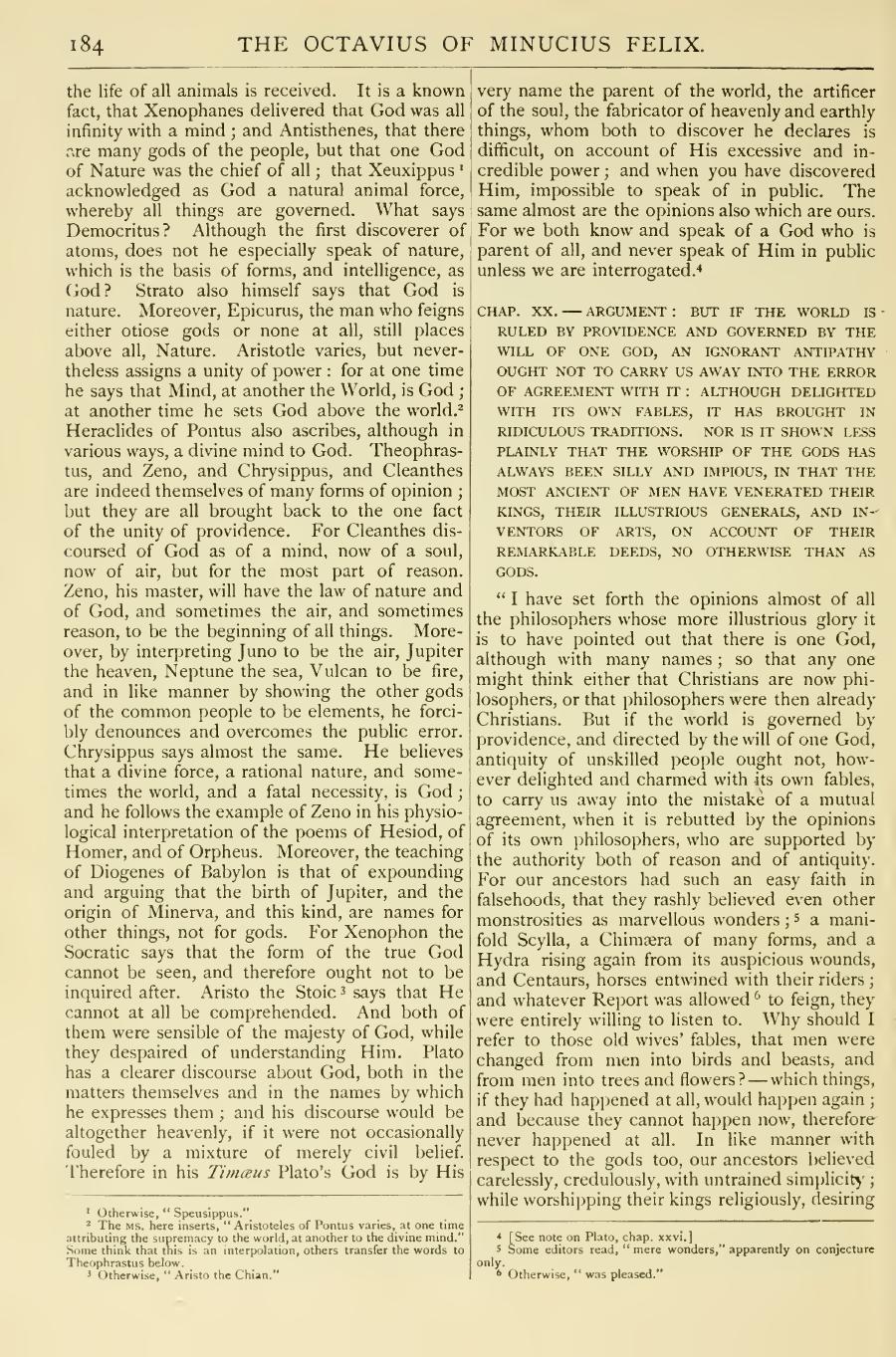
Octavius XIX, in Octavius’s survey of the philosophers’ opinions on the nature of God, on Epicurus’s theology: “Moreover, Epicurus, the man who feigns either otiose gods or none at all, still places above all, Nature.” Minucius Felix, Octavius XIX (tr. Wallis, ANF)
The Absence of a Designer, and Chance
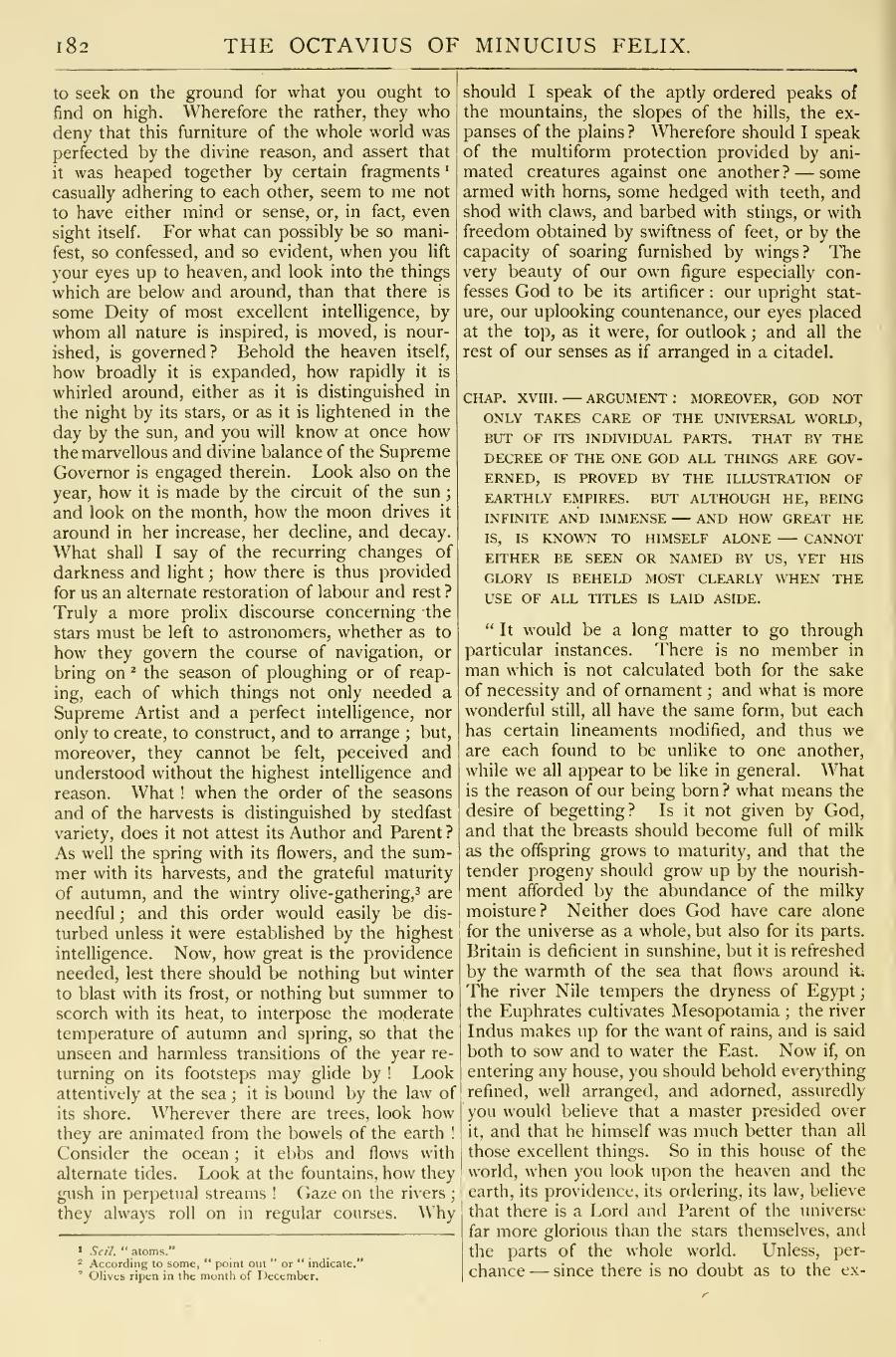
Octavius XVII. Epicurus is not named in this passage, but the target is his physics: the ANF editors’ own footnote glosses “fragments” here as “atoms,” and Octavius is arguing against exactly the atomist claim that the ordered world arose from the chance combination of material particles, not from divine design: “Wherefore the rather, they who deny that this furniture of the whole world was perfected by the divine reason, and assert that it was heaped together by certain fragments casually adhering to each other, seem to me not to have either mind or sense, or, in fact, even sight itself.” Minucius Felix, Octavius XVII (tr. Wallis, ANF)
Jewish Sources
Section titled “Jewish Sources”Rabbinic literature has a term taken directly from the name of Epicurus: אפיקורוס (apikoros or epikoros). It is used as a legal and religious category, not just a loose insult. The term’s definition and the rabbinic debate over who qualifies are included below alongside the passages that engage Epicurus’s actual positions.
The Hebrew Bible
Section titled “The Hebrew Bible”Source for all quotations below: The Holy Scriptures According to the Masoretic Text: A New Translation (Philadelphia: Jewish Publication Society of America, 1917). The full volume can be read at archive.org. The same books form the Christian Old Testament.
General Attacks
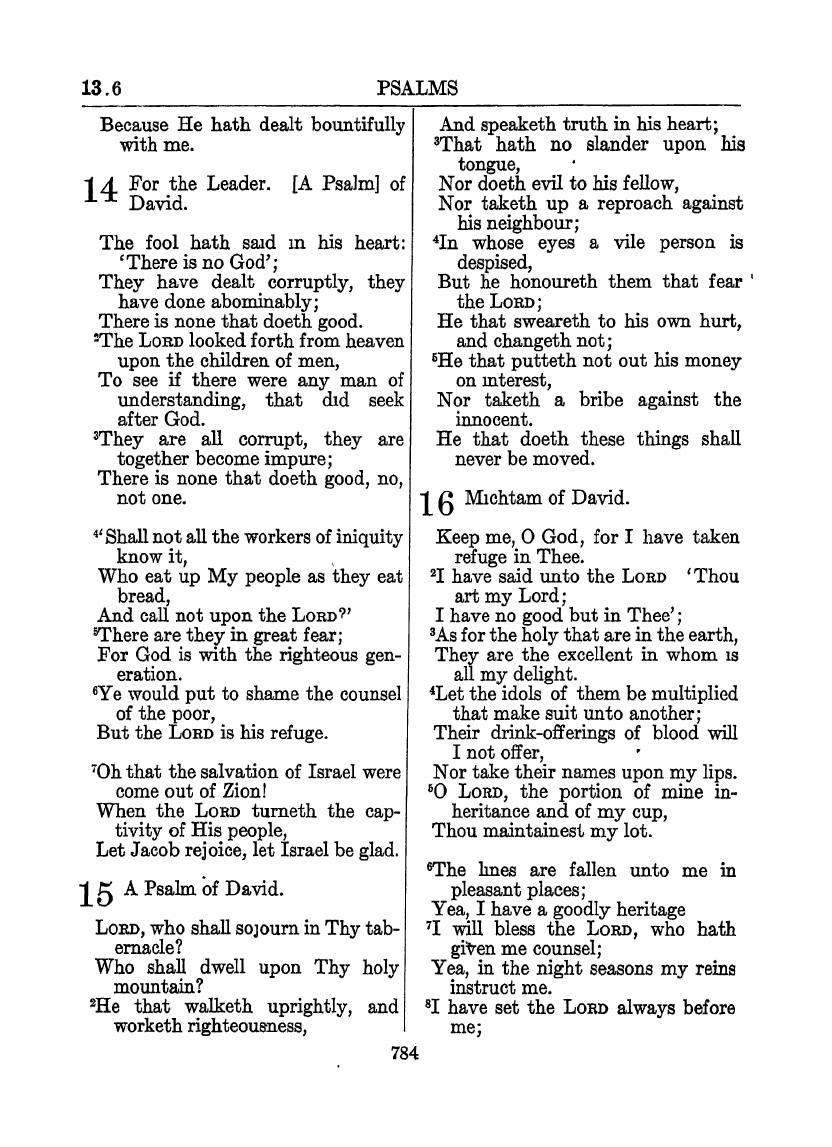
Psalm 14:1–2. Epicurus did not deny that gods exist, but he denied the God of this psalm, one who looks down from heaven to judge men. The psalm ties any such denial to corruption: “The fool hath said in his heart: ‘There is no God’; They have dealt corruptly, they have done abominably; There is none that doeth good. The LORD looked forth from heaven upon the children of men, To see if there were any man of understanding, that did seek after God.” Psalm 14:1–2 (JPS, 1917)
Faith and Revelation in Place of the Senses
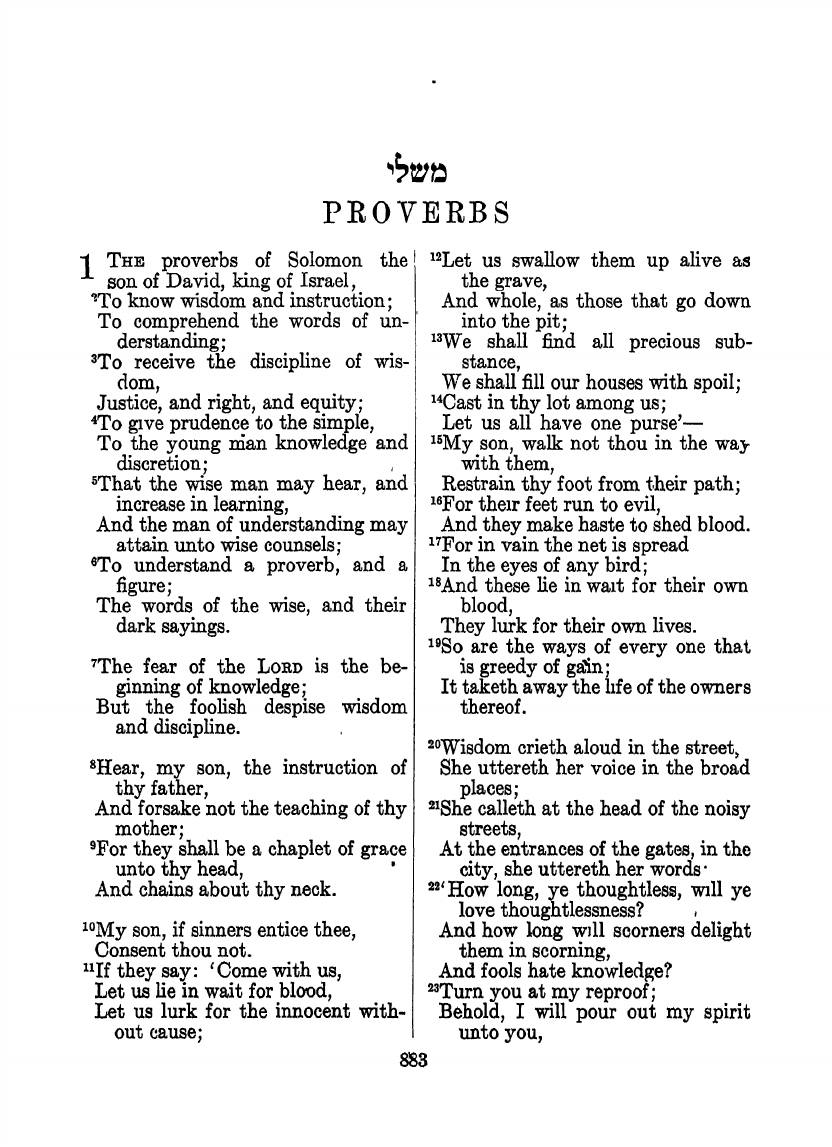
Proverbs 1:7: “The fear of the LORD is the beginning of knowledge; But the foolish despise wisdom and discipline.” Proverbs 1:7 (JPS, 1917)
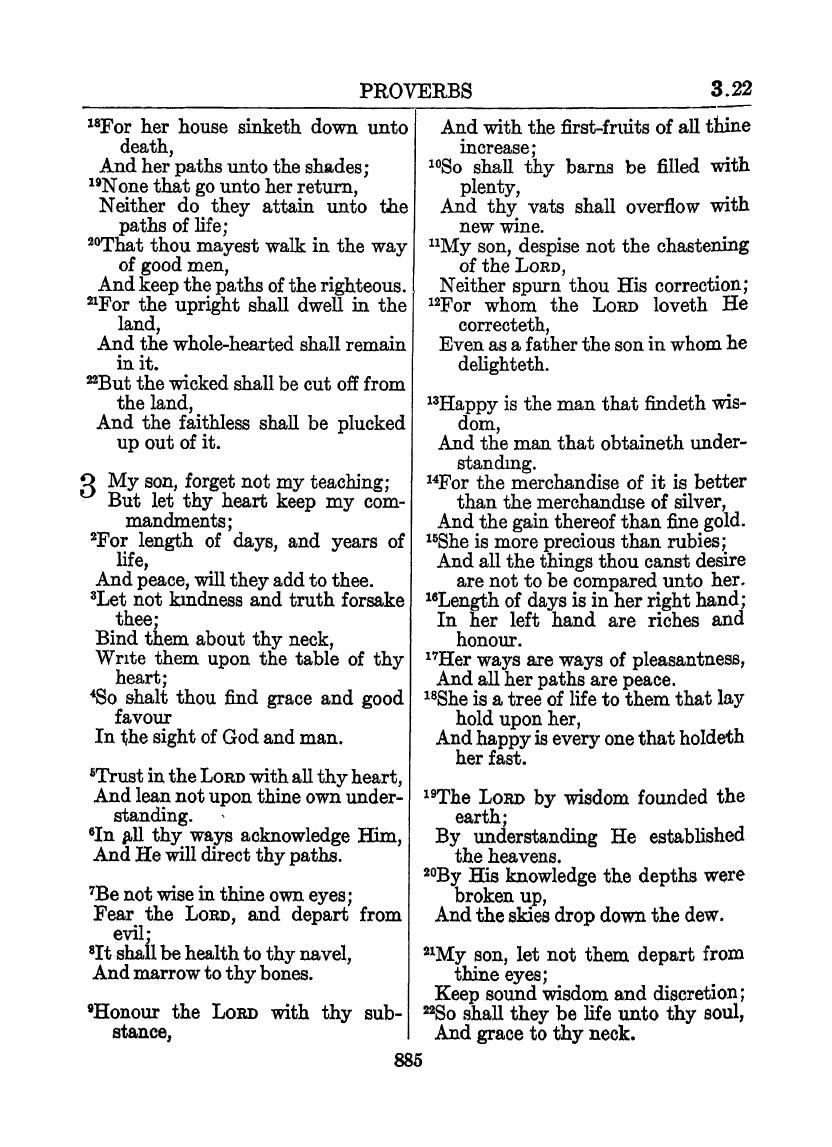
Proverbs 3:5–7: “Trust in the LORD with all thy heart, And lean not upon thine own understanding. In all thy ways acknowledge Him, And He will direct thy paths. Be not wise in thine own eyes; Fear the LORD, and depart from evil.” Proverbs 3:5–7 (JPS, 1917)
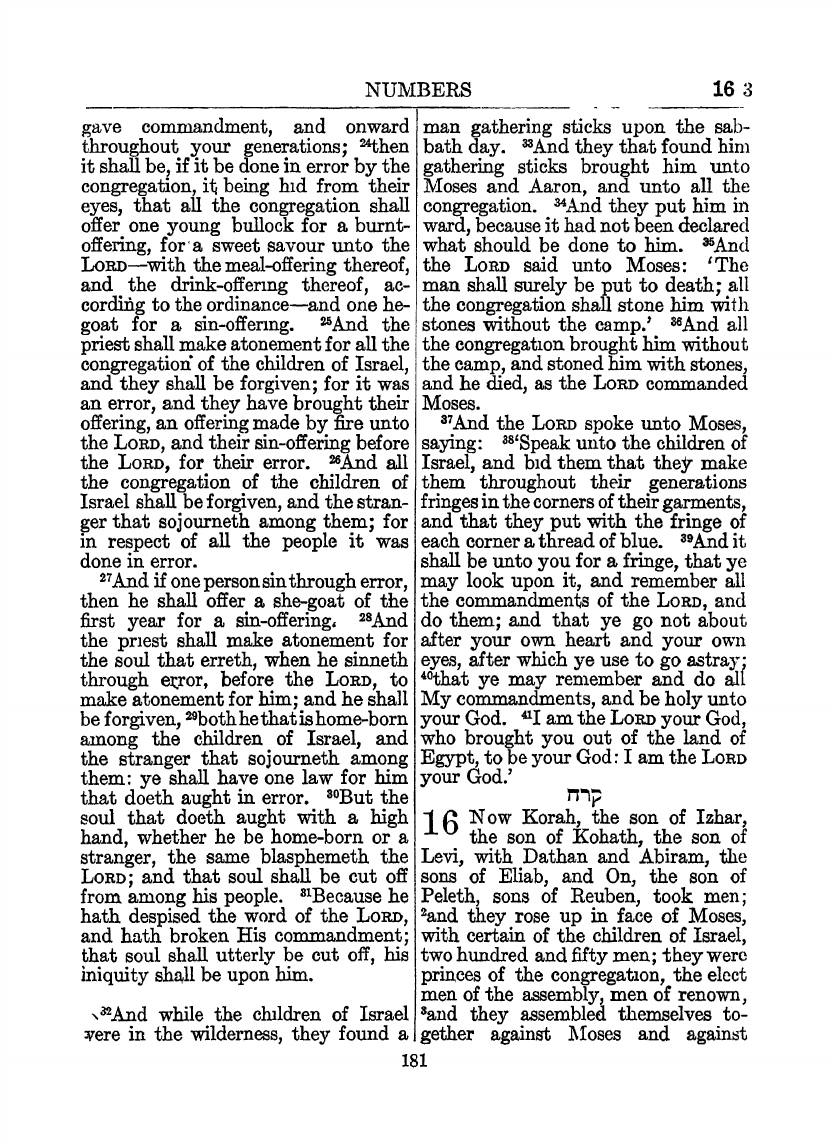
Numbers 15:39. The fringes on the garments are to remind the wearer of the commandments, so that he will not follow either his own desires or his own eyes: “And it shall be unto you for a fringe, that ye may look upon it, and remember all the commandments of the LORD, and do them; and that ye go not about after your own heart and your own eyes, after which ye use to go astray.” Numbers 15:39 (JPS, 1917)
Atomism and Materialism
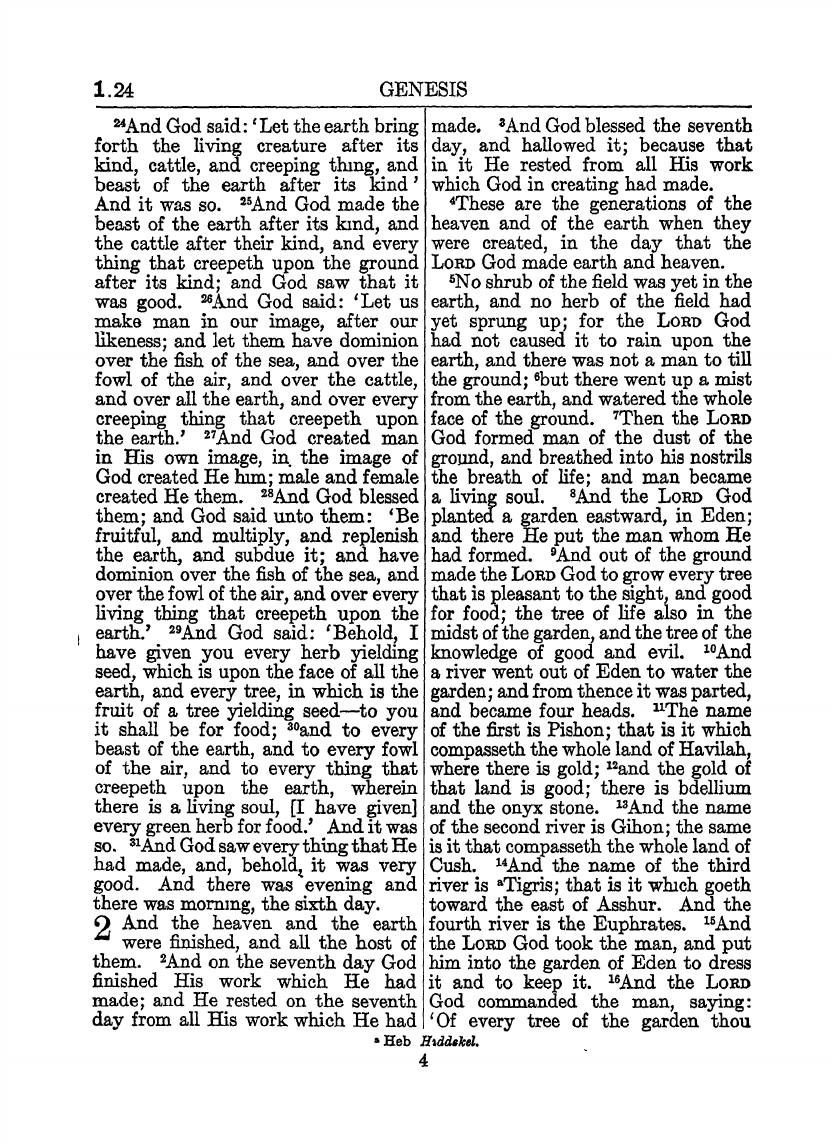
Genesis 2:7. Epicurus held that the soul is itself a body made of fine atoms. Here man’s life is breath given by God: “Then the LORD God formed man of the dust of the ground, and breathed into his nostrils the breath of life; and man became a living soul.” Genesis 2:7 (JPS, 1917)
The Eternity of the Universe
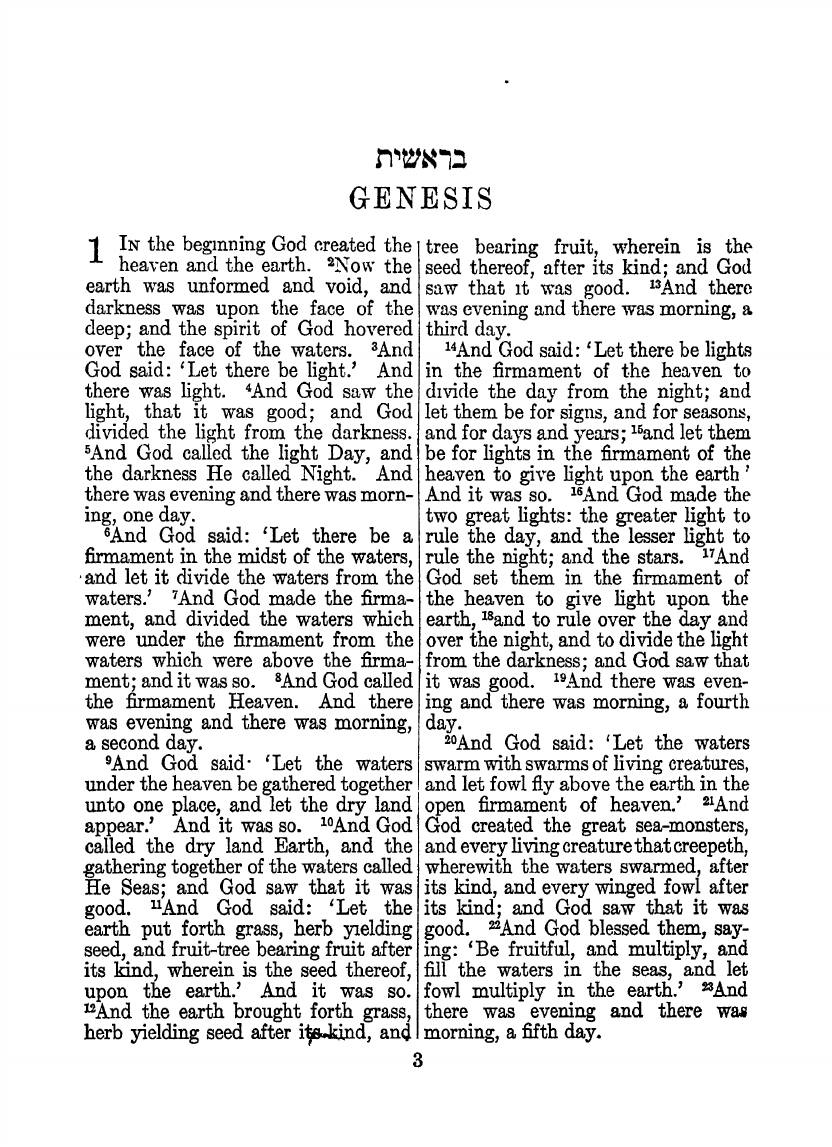
Genesis 1:1: “IN the beginning God created the heaven and the earth.” Genesis 1:1 (JPS, 1917)
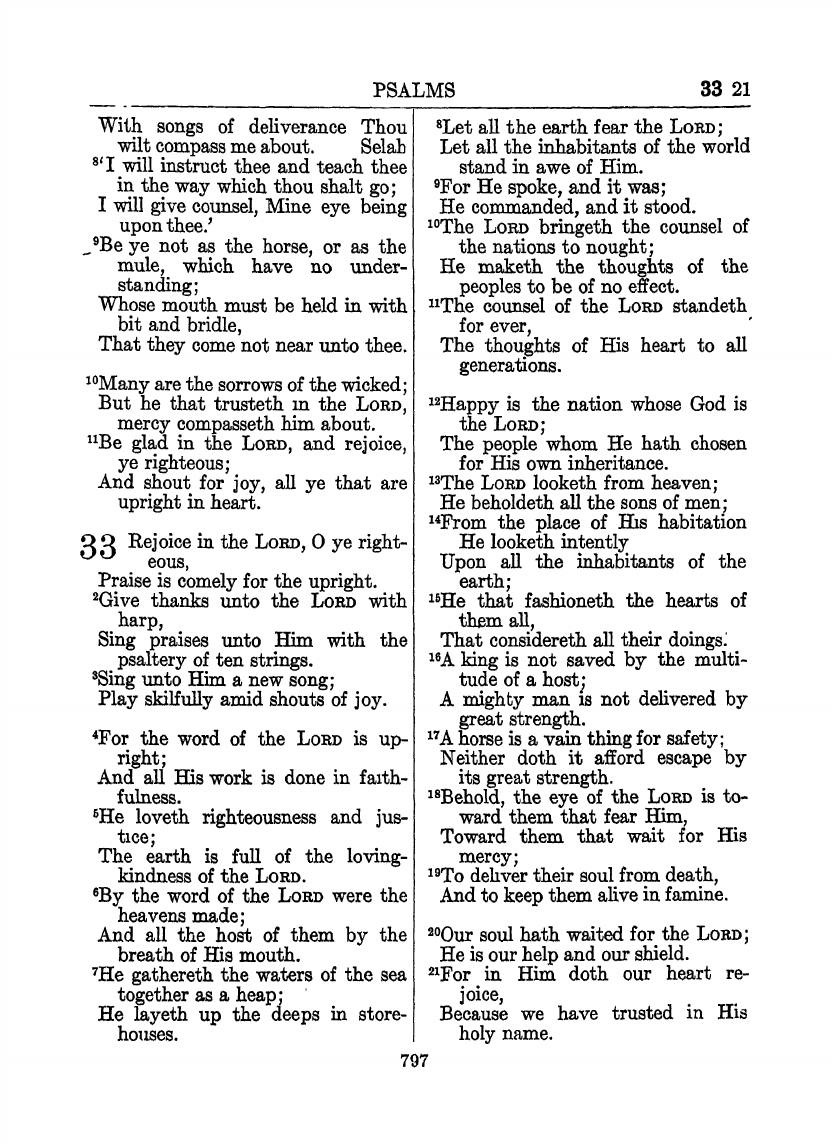
Psalm 33:6 and 33:9: “By the word of the LORD were the heavens made; And all the host of them by the breath of His mouth… For He spoke, and it was; He commanded, and it stood.” Psalm 33:6–15 (JPS, 1917)
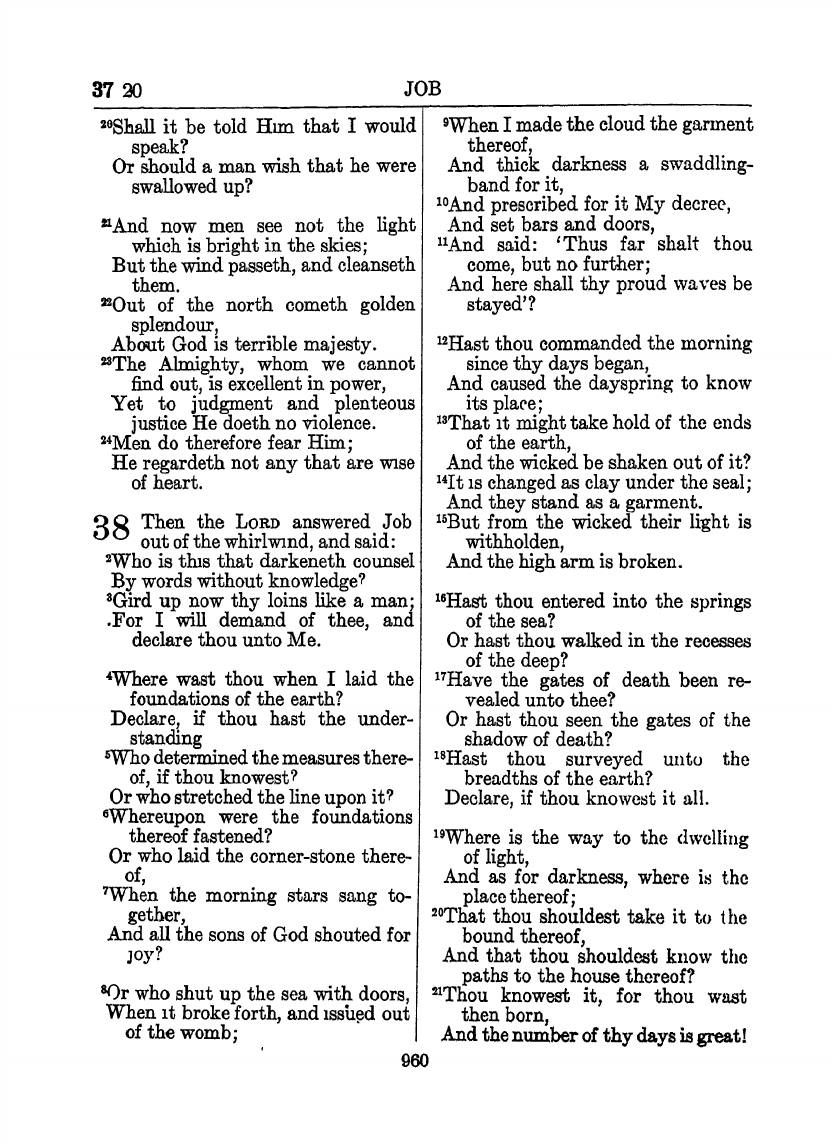
Job 38:2–4. God’s answer to Job silences human inquiry into how the world was made: “Who is this that darkeneth counsel By words without knowledge? Gird up now thy loins like a man; For I will demand of thee, and declare thou unto Me. Where wast thou when I laid the foundations of the earth? Declare, if thou hast the understanding.” Job 38:2–4 (JPS, 1917)
The Denial of Divine Providence Over Human Affairs
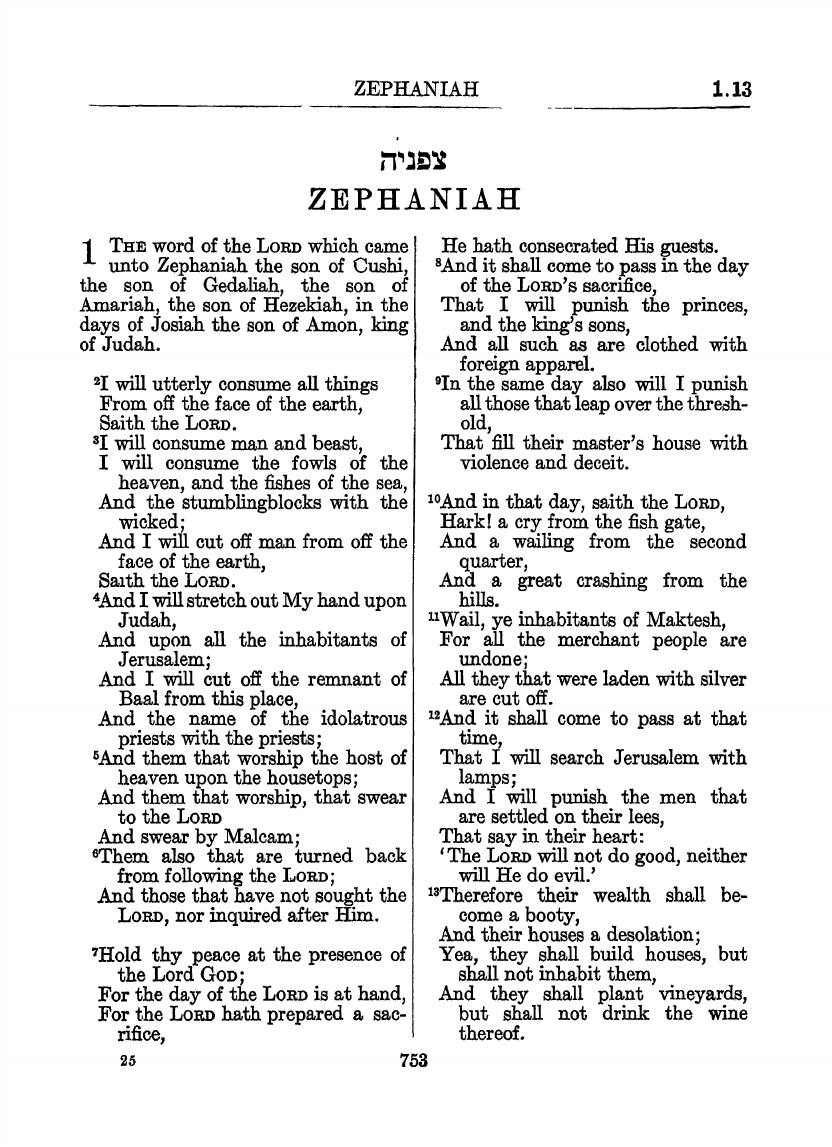
Zephaniah 1:12. The men God promises to punish are those who say what Epicurus taught: that God neither helps nor harms: “And it shall come to pass at that time, That I will search Jerusalem with lamps; And I will punish the men that are settled on their lees, That say in their heart: ‘The LORD will not do good, neither will He do evil.’” Zephaniah 1:12 (JPS, 1917)
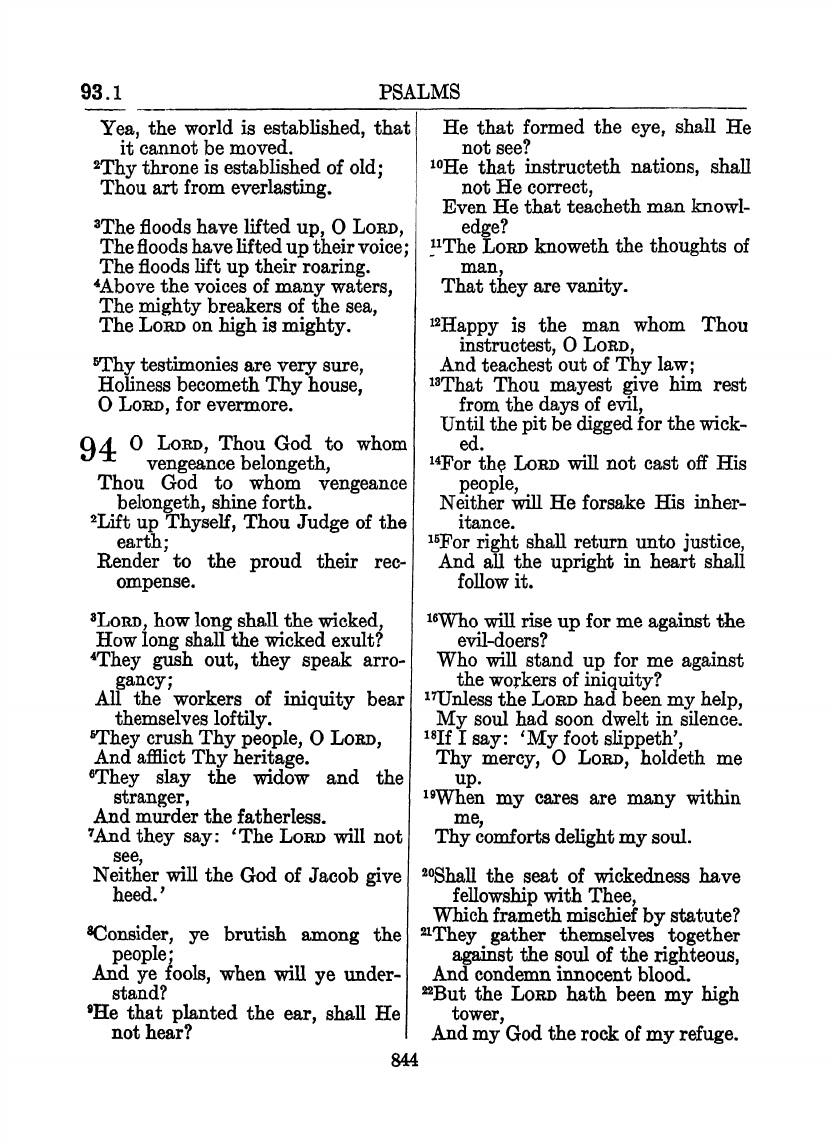
Psalm 94:7–9: “And they say: ‘The LORD will not see, Neither will the God of Jacob give heed.’ Consider, ye brutish among the people; And ye fools, when will ye understand? He that planted the ear, shall He not hear? He that formed the eye, shall He not see?” Psalm 94:7–9 (JPS, 1917)
Psalm 33:13–15: “The LORD looketh from heaven; He beholdeth all the sons of men; From the place of His habitation He looketh intently Upon all the inhabitants of the earth; He that fashioneth the hearts of them all, That considereth all their doings.” Psalm 33:6–15 (JPS, 1917)
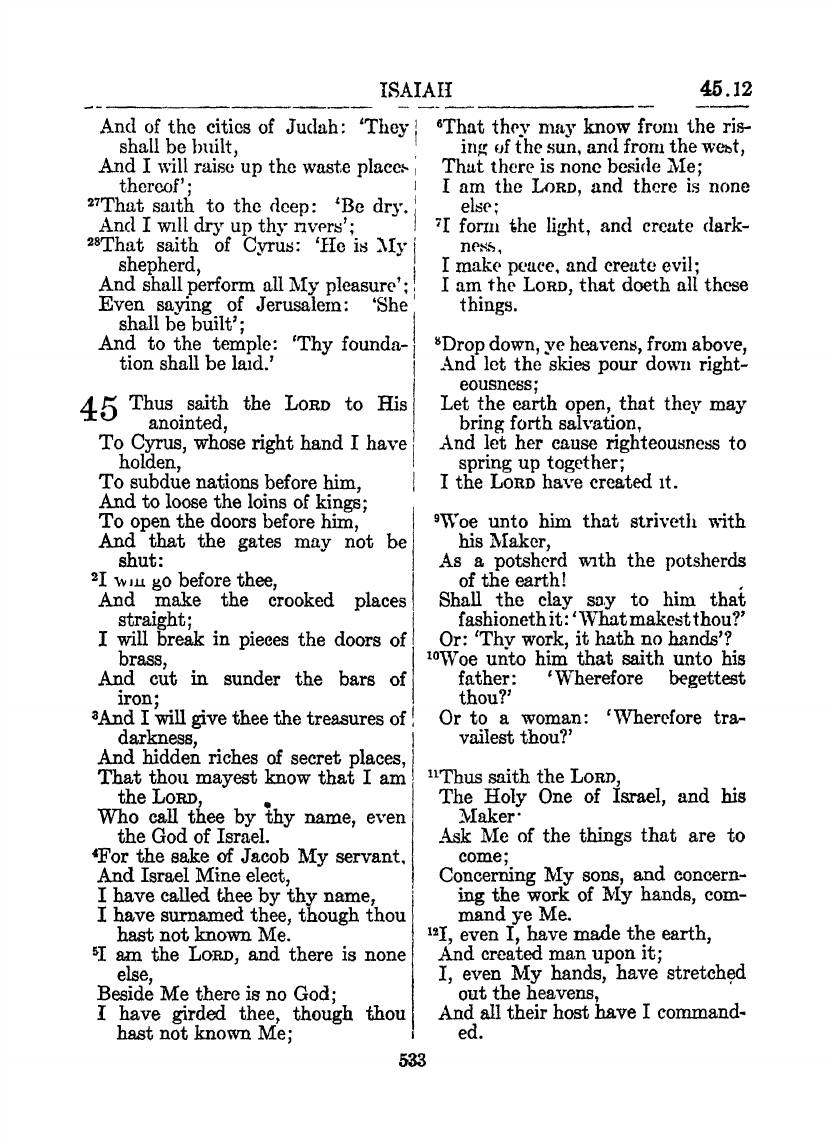
Isaiah 45:7. Even evil is sent by God: “I form the light, and create darkness; I make peace, and create evil; I am the LORD, that doeth all these things.” Isaiah 45:7–12 (JPS, 1917)
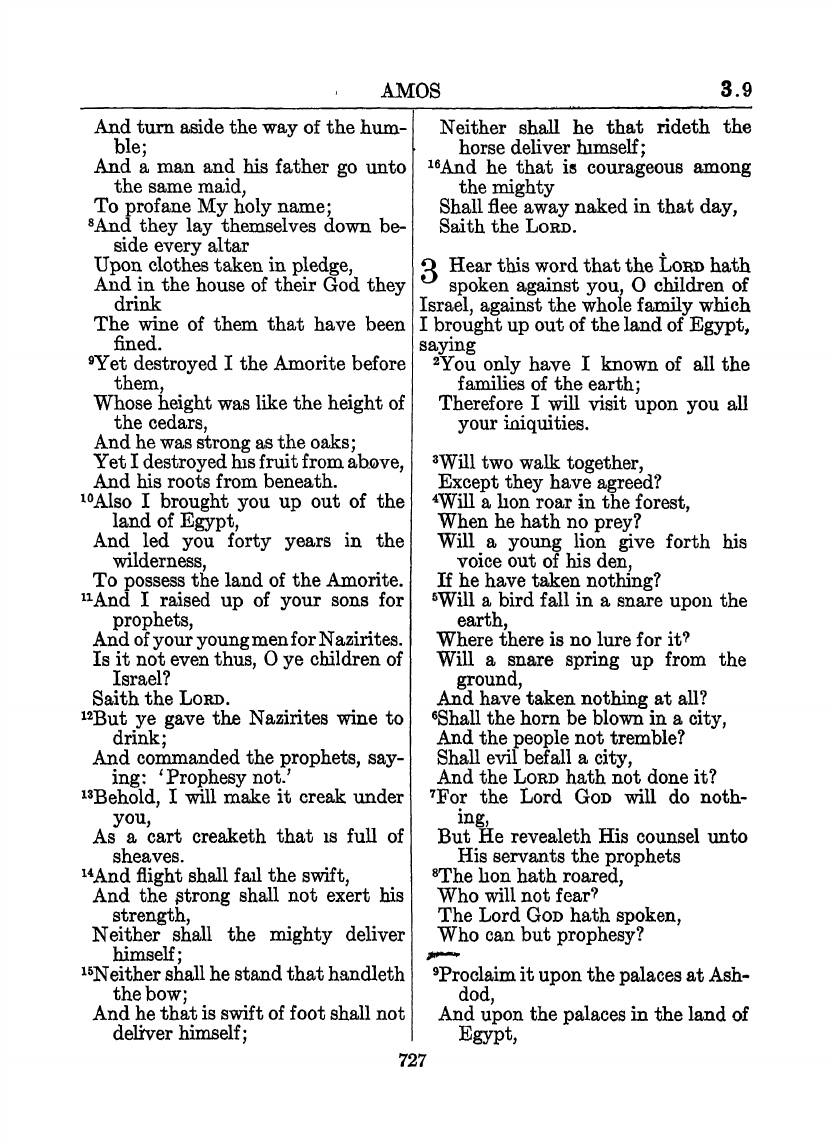
Amos 3:6: “Shall the horn be blown in a city, And the people not tremble? Shall evil befall a city, And the LORD hath not done it?” Amos 3:6 (JPS, 1917)
The Mortality of the Soul and the Denial of Resurrection
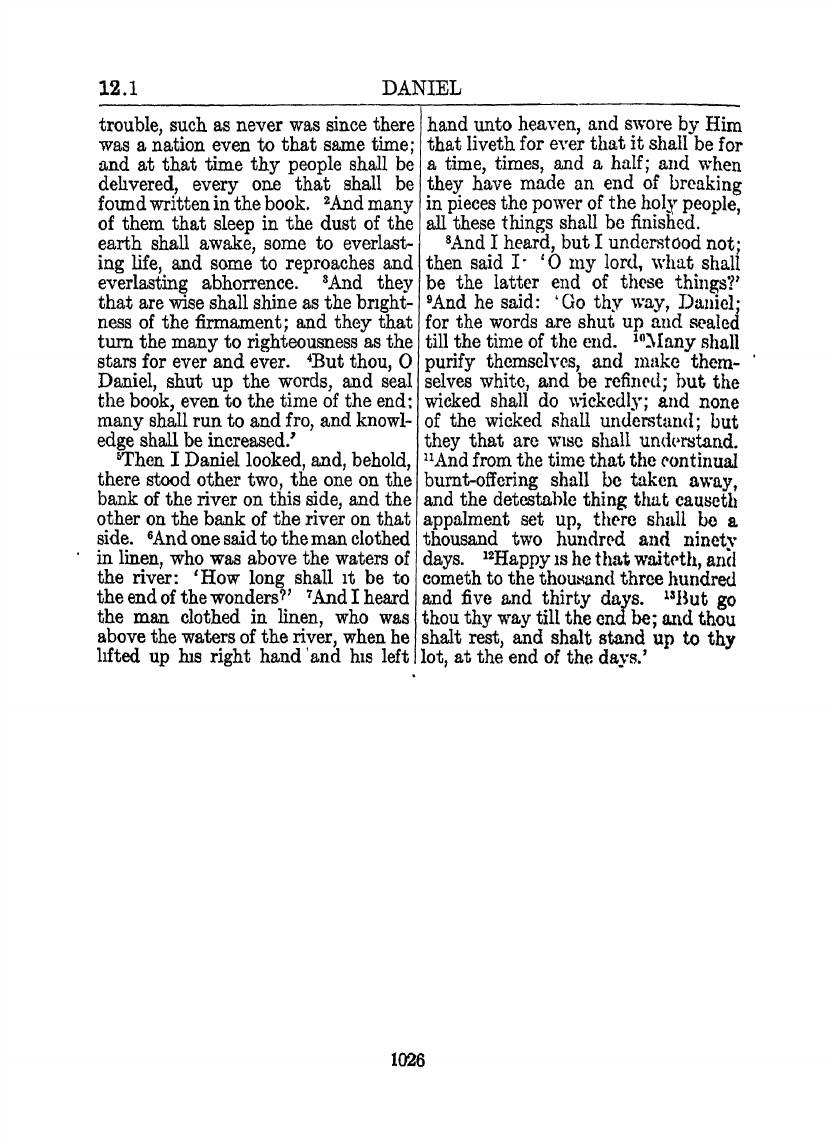
Daniel 12:2: “And many of them that sleep in the dust of the earth shall awake, some to everlasting life, and some to reproaches and everlasting abhorrence.” Daniel 12:2 (JPS, 1917)
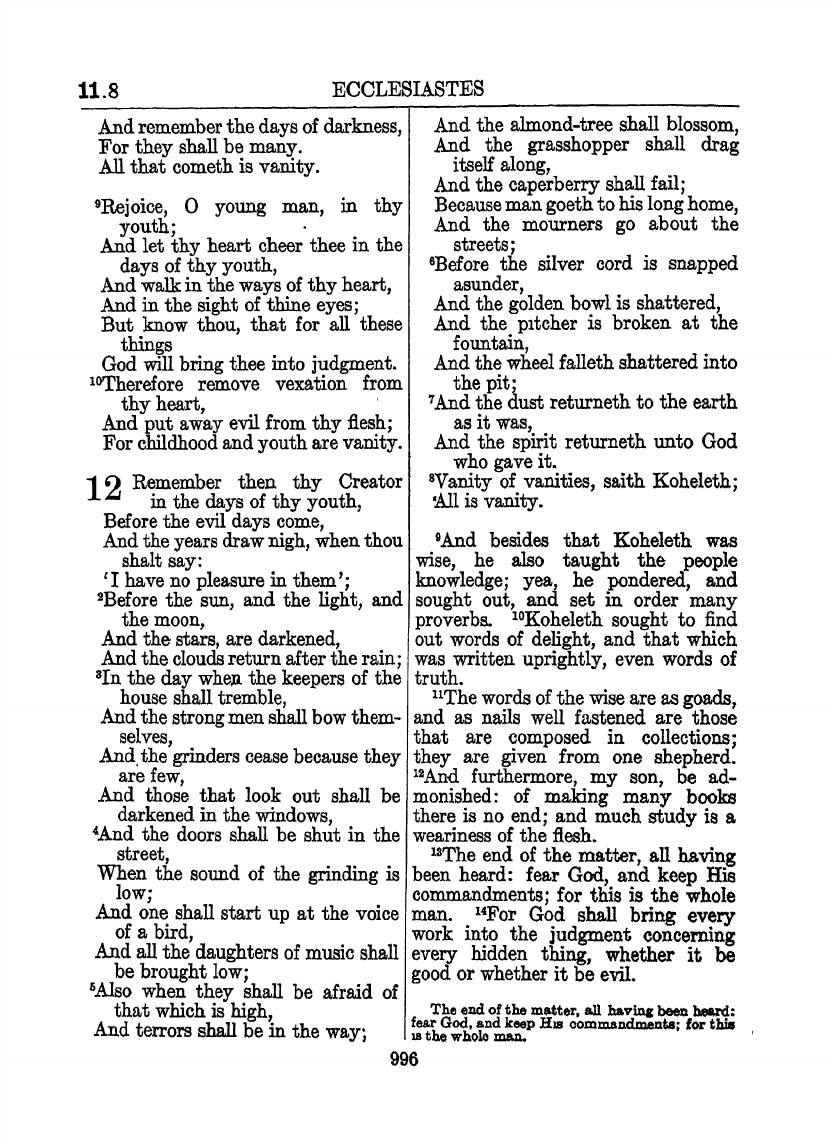
Ecclesiastes 12:7: “And the dust returneth to the earth as it was, And the spirit returneth unto God who gave it.” Ecclesiastes 11:9–12:14 (JPS, 1917)
Pleasure as the Goal of Life
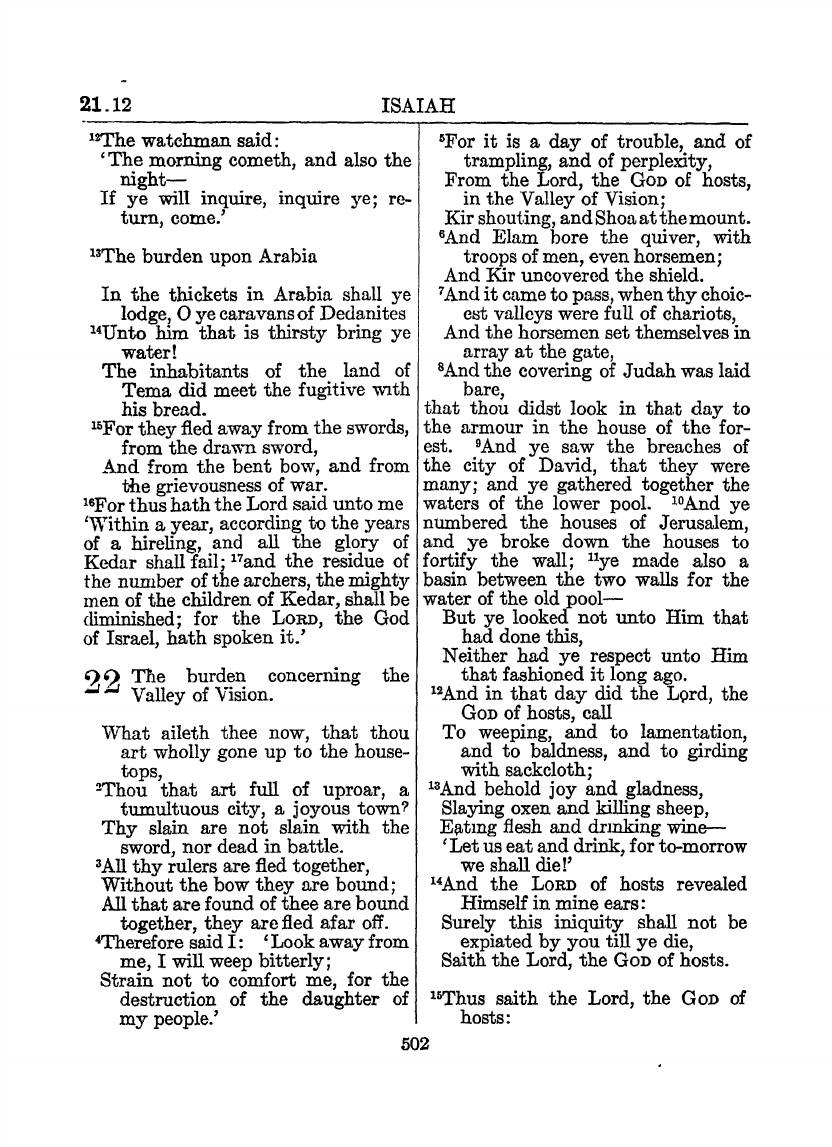
Isaiah 22:13–14, the source of the line Paul quotes in 1 Corinthians 15:32. Those who feast in the face of death are told their sin will never be forgiven: “And behold joy and gladness, Slaying oxen and killing sheep, Eating flesh and drinking wine— ‘Let us eat and drink, for to-morrow we shall die!’ And the LORD of hosts revealed Himself in mine ears: Surely this iniquity shall not be expiated by you till ye die, Saith the Lord, the GOD of hosts.” Isaiah 22:13–14 (JPS, 1917)
Ecclesiastes 11:9. Ecclesiastes is the book of the Bible that comes closest to recommending the enjoyment of life, but here the enjoyment comes with a warning: “Rejoice, O young man, in thy youth; And let thy heart cheer thee in the days of thy youth, And walk in the ways of thy heart, And in the sight of thine eyes; But know thou, that for all these things God will bring thee into judgment.” Ecclesiastes 11:9–12:14 (JPS, 1917)
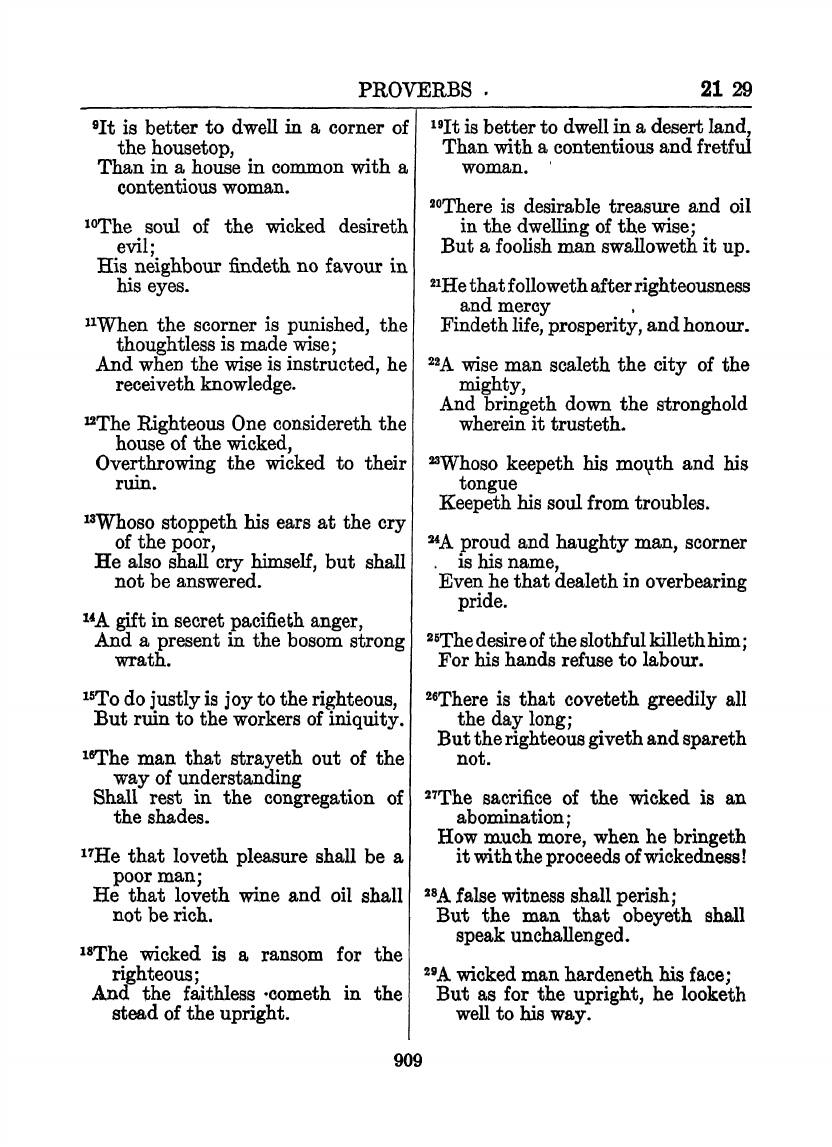
Proverbs 21:17: “He that loveth pleasure shall be a poor man; He that loveth wine and oil shall not be rich.” Proverbs 21:17 (JPS, 1917)
The Argument That Without Divine Judgment There Is No Reason to Be Good
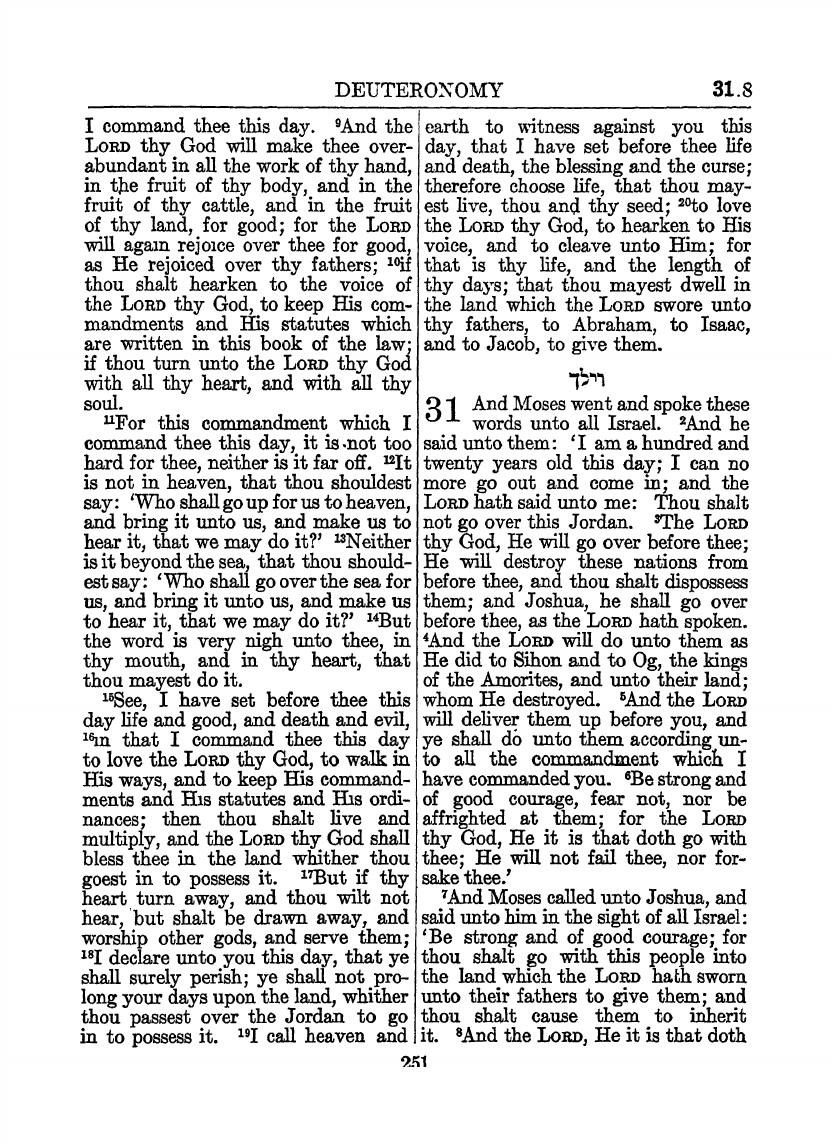
Deuteronomy 30:15–18. Obedience is commanded, with reward and punishment as the reason: “See, I have set before thee this day life and good, and death and evil, in that I command thee this day to love the LORD thy God, to walk in His ways, and to keep His commandments and His statutes and His ordinances; then thou shalt live and multiply, and the LORD thy God shall bless thee in the land whither thou goest in to possess it. But if thy heart turn away, and thou wilt not hear, but shalt be drawn away, and worship other gods, and serve them; I declare unto you this day, that ye shall surely perish.” Deuteronomy 30:15–18 (JPS, 1917)
Ecclesiastes 12:13–14, the last words of the book: “The end of the matter, all having been heard: fear God, and keep His commandments; for this is the whole man. For God shall bring every work into the judgment concerning every hidden thing, whether it be good or whether it be evil.” Ecclesiastes 11:9–12:14 (JPS, 1917)
The Mishnah: Sayings of the Fathers (Pirkei Avot)
Section titled “The Mishnah: Sayings of the Fathers (Pirkei Avot)”Pirkei Avot (“Sayings of the Fathers”) is the tractate of the Mishnah most widely read on its own. It contains one of the rabbinic sayings that names the apikoros directly.
Source for the quotations below: Charles Taylor, Sayings of the Jewish Fathers, second edition (Cambridge University Press, 1897). The full book can be read at archive.org. Taylor numbers the sayings within each chapter differently from most modern editions. Each quotation below gives the standard reference first and Taylor’s own number in brackets.
General Attacks, and Apikoros as a Legal Term
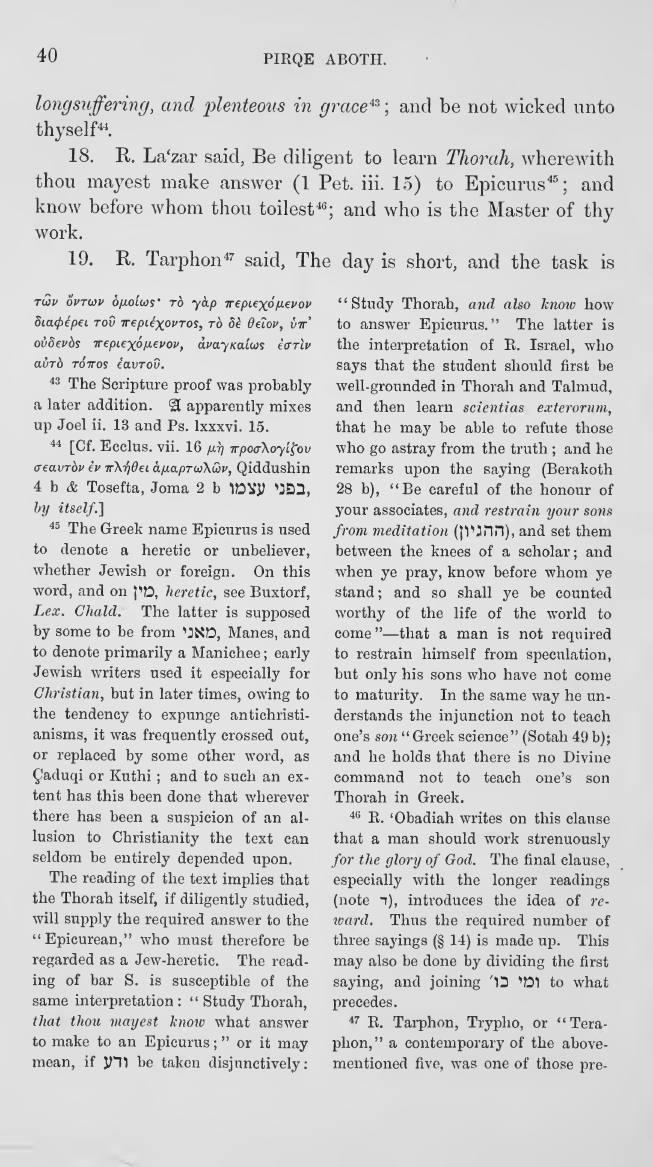
Avot 2:14 [Taylor II.18]: “R. La’zar said, Be diligent to learn Thorah, wherewith thou mayest make answer (1 Pet. iii. 15) to Epicurus; and know before whom thou toilest; and who is the Master of thy work.” Taylor’s note on the name: “The Greek name Epicurus is used to denote a heretic or unbeliever, whether Jewish or foreign… The reading of the text implies that the Thorah itself, if diligently studied, will supply the required answer to the ‘Epicurean,’ who must therefore be regarded as a Jew-heretic.” Mishnah Avot 2:14 (tr. Taylor, 1897)
The Eternity of the Universe
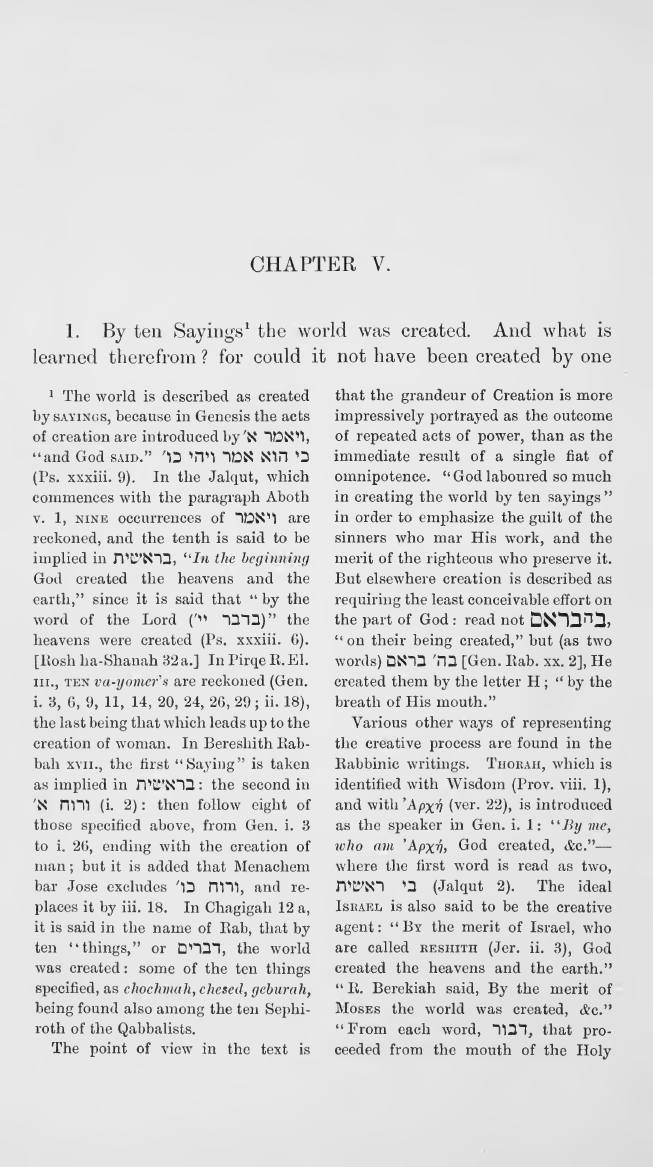
Avot 5:1: “By ten Sayings the world was created.” Taylor’s note explains the ten as the times “and God said” occurs in the creation story of Genesis. Mishnah Avot 5:1 (tr. Taylor, 1897)
The Denial of Divine Providence Over Human Affairs
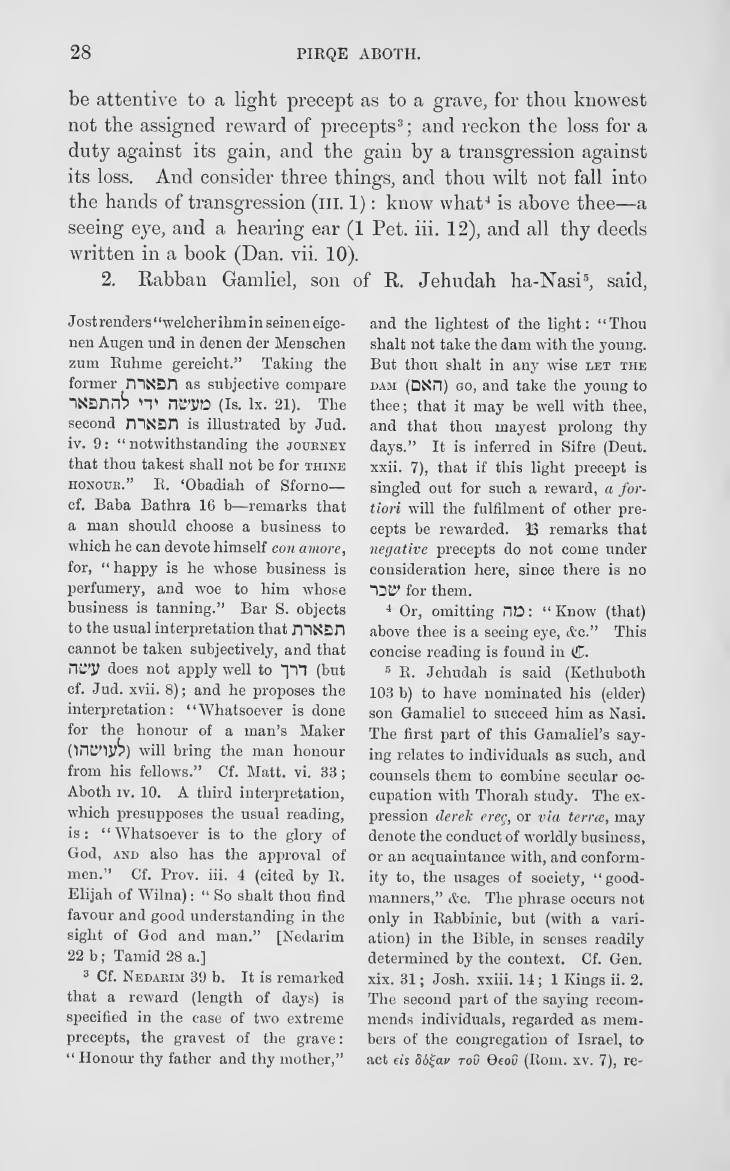
Avot 2:1 [Taylor II.1]: “And consider three things, and thou wilt not fall into the hands of transgression (III. 1): know what is above thee—a seeing eye, and a hearing ear (1 Pet. iii. 12), and all thy deeds written in a book (Dan. vii. 10).” Mishnah Avot 2:1 (tr. Taylor, 1897)
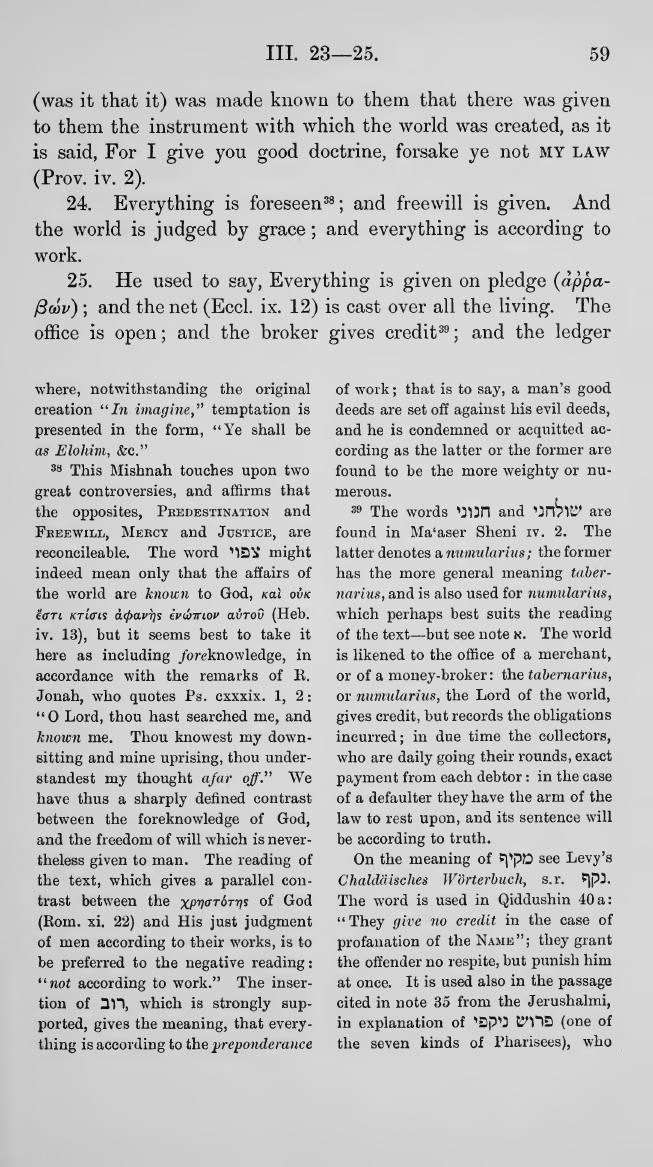
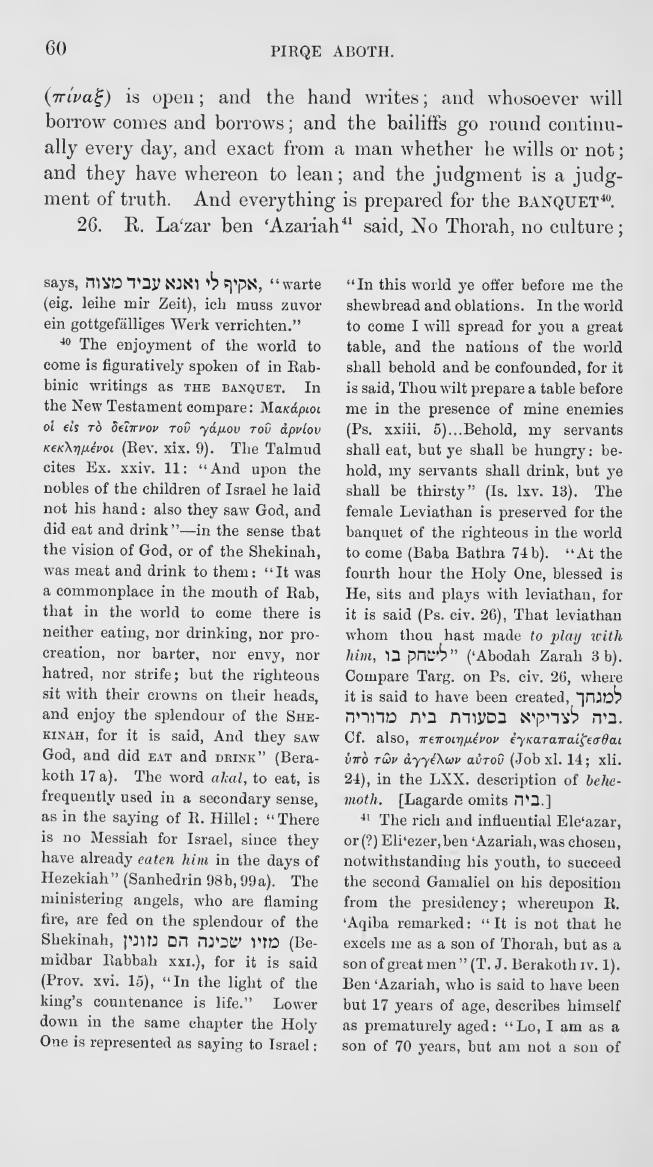
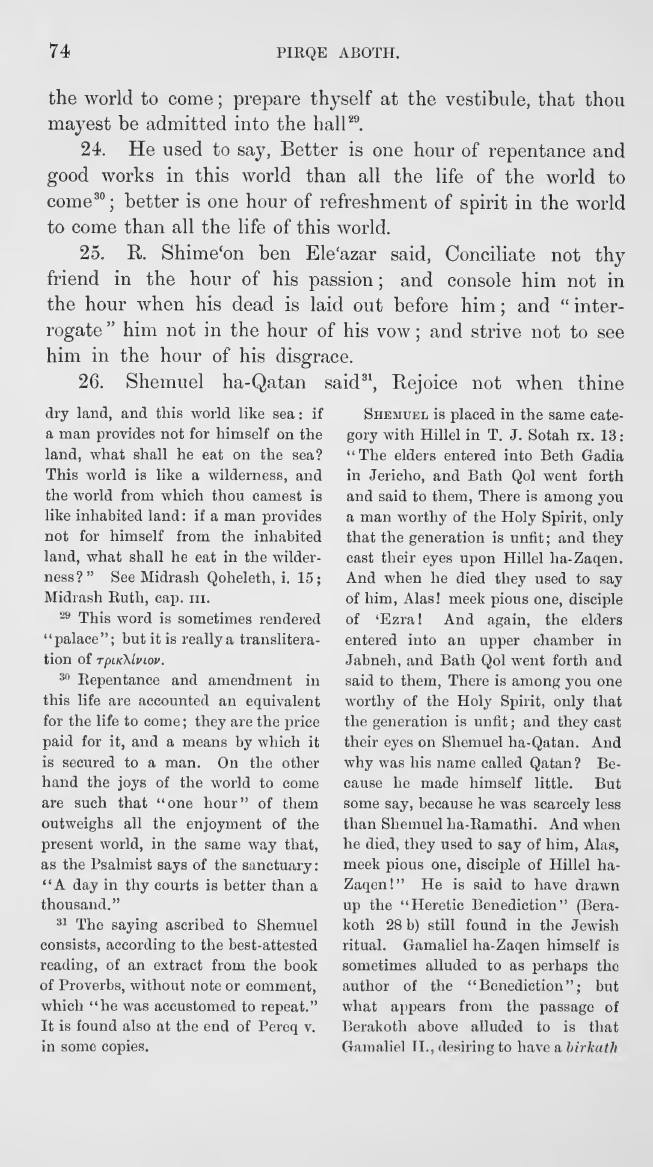
Avot 3:15–16 [Taylor III.24–25], on a world watched and recorded like a merchant’s ledger: “Everything is foreseen; and freewill is given. And the world is judged by grace; and everything is according to work. He used to say, Everything is given on pledge; and the net (Eccl. ix. 12) is cast over all the living. The office is open; and the broker gives credit; and the ledger is open; and the hand writes; and whosoever will borrow comes and borrows; and the bailiffs go round continually every day, and exact from a man whether he wills or not; and they have whereon to lean; and the judgment is a judgment of truth. And everything is prepared for the banquet.” Taylor’s note explains “the banquet” as the enjoyment of the world to come. Mishnah Avot 3:15–16 (tr. Taylor, 1897), continued on the following page
The Mortality of the Soul and the Denial of Resurrection
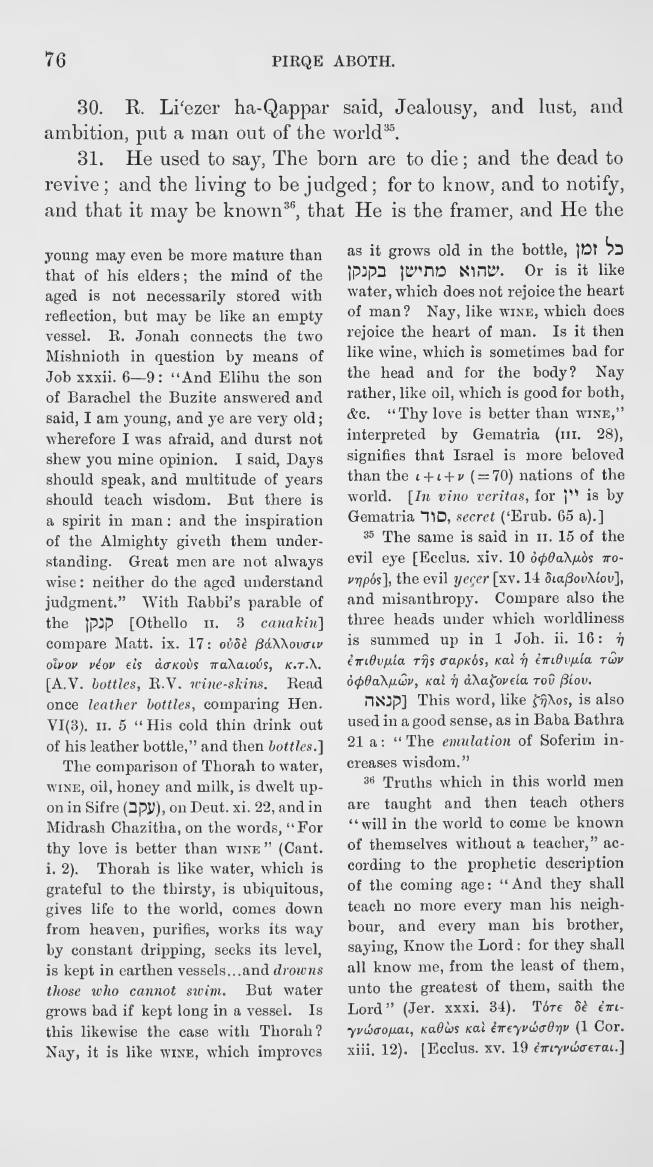
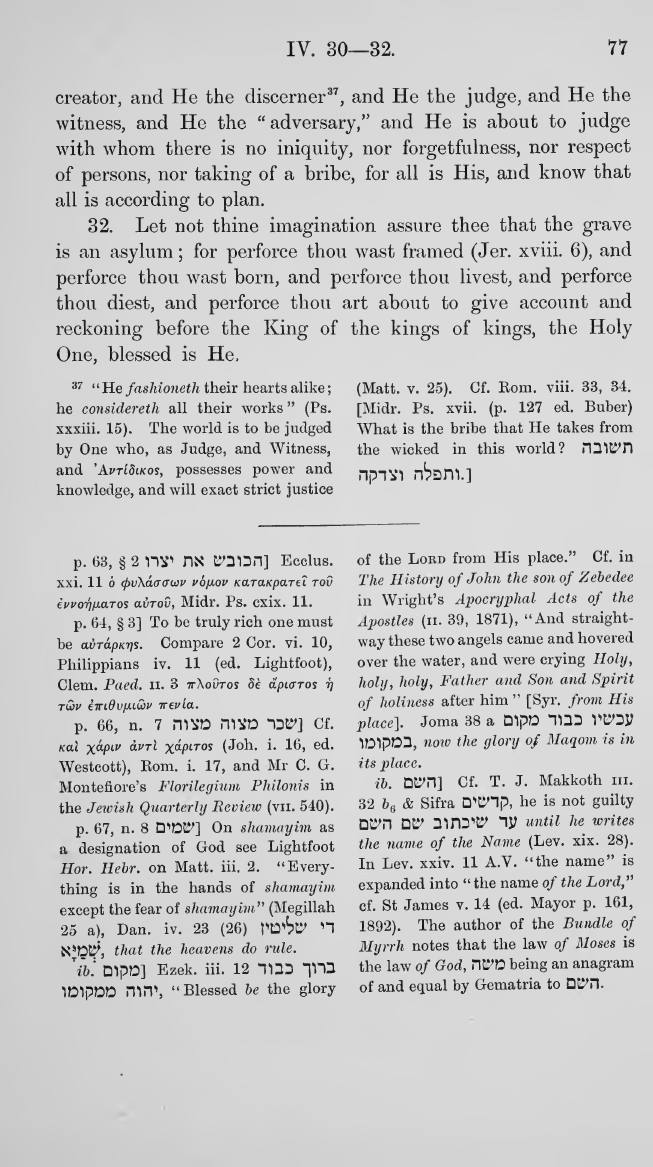
Avot 4:22 [Taylor IV.31–32]. Epicurus taught that death is nothing to us. This saying answers that the grave is no escape: “He used to say, The born are to die; and the dead to revive; and the living to be judged; for to know, and to notify, and that it may be known, that He is the framer, and He the creator, and He the discerner, and He the judge, and He the witness, and He the ‘adversary,’ and He is about to judge with whom there is no iniquity, nor forgetfulness, nor respect of persons, nor taking of a bribe, for all is His, and know that all is according to plan. Let not thine imagination assure thee that the grave is an asylum; for perforce thou wast framed (Jer. xviii. 6), and perforce thou wast born, and perforce thou livest, and perforce thou diest, and perforce thou art about to give account and reckoning before the King of the kings of kings, the Holy One, blessed is He.” Mishnah Avot 4:22 (tr. Taylor, 1897), continued on the following page
Pleasure as the Goal of Life
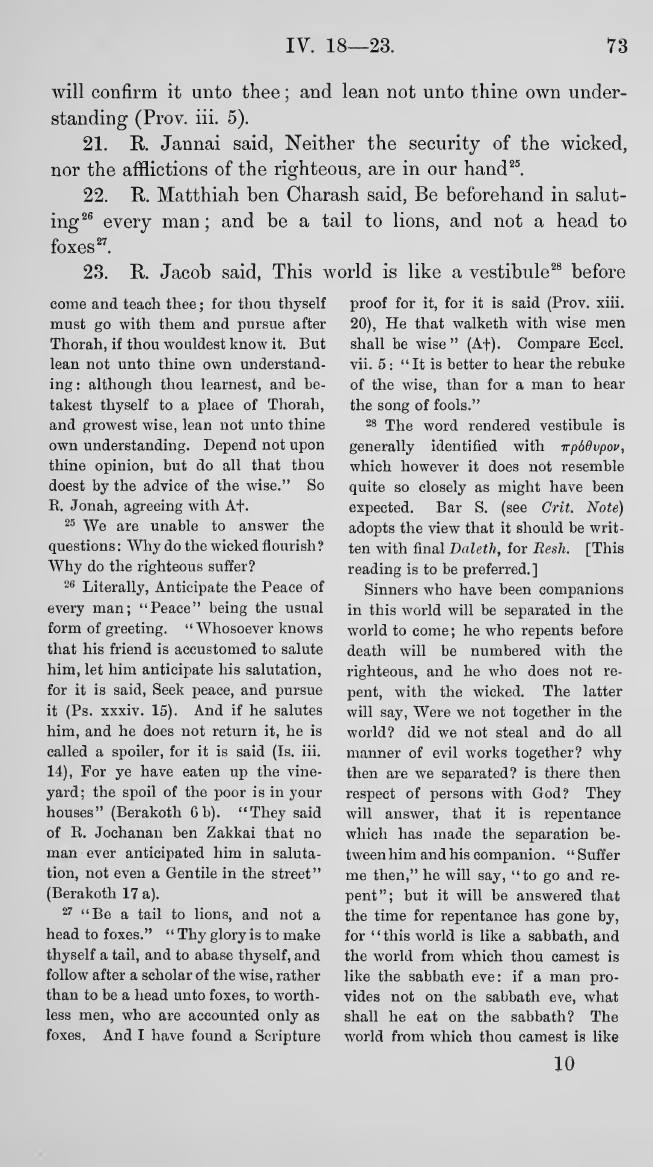
Avot 4:16–17 [Taylor IV.23–24]. This life is only an entrance hall to the next: “R. Jacob said, This world is like a vestibule before the world to come; prepare thyself at the vestibule, that thou mayest be admitted into the hall. He used to say, Better is one hour of repentance and good works in this world than all the life of the world to come; better is one hour of refreshment of spirit in the world to come than all the life of this world.” Mishnah Avot 4:16 (tr. Taylor, 1897), continued on the following page
The Argument That Without Divine Judgment There Is No Reason to Be Good
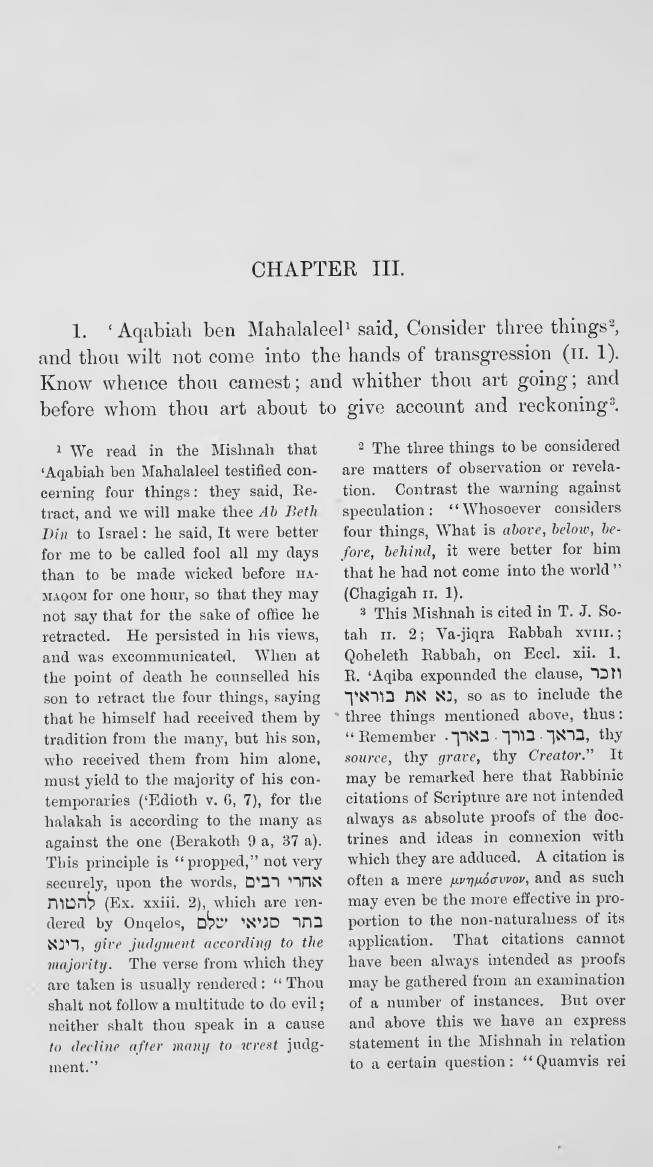
Avot 3:1 [Taylor III.1]: “‘Aqabiah ben Mahalaleel said, Consider three things, and thou wilt not come into the hands of transgression (II. 1). Know whence thou camest; and whither thou art going; and before whom thou art about to give account and reckoning.” Mishnah Avot 3:1 (tr. Taylor, 1897)
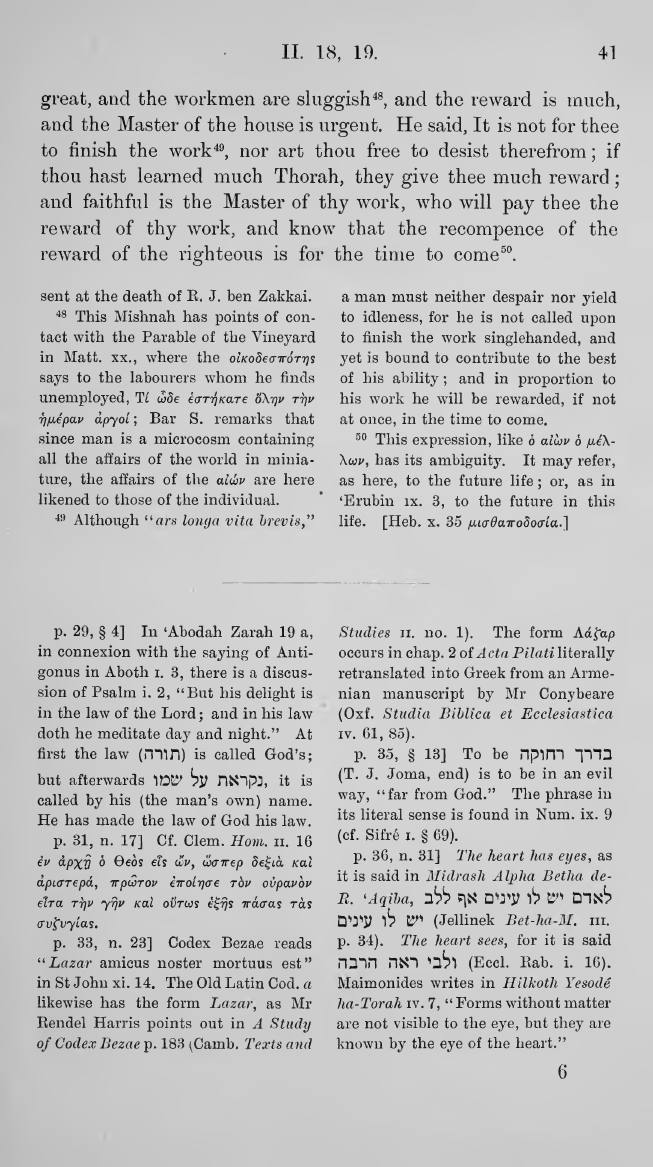
Avot 2:15–16 [Taylor II.19]: “R. Tarphon said, The day is short, and the task is great, and the workmen are sluggish, and the reward is much, and the Master of the house is urgent. He said, It is not for thee to finish the work, nor art thou free to desist therefrom; if thou hast learned much Thorah, they give thee much reward; and faithful is the Master of thy work, who will pay thee the reward of thy work, and know that the recompence of the reward of the righteous is for the time to come.” Mishnah Avot 2:14 (tr. Taylor, 1897), continued on the following page
The Mishnah and the Talmud: Sanhedrin 10:1, 90b–91b and 99b–100a
Section titled “The Mishnah and the Talmud: Sanhedrin 10:1, 90b–91b and 99b–100a”The Hebrew term itself: אֶפִּיקוֹרֶס (epikores/apikoros), from the Mishnah’s own text (Mishnah Sanhedrin 10:1, Hebrew, Kaufmann/Vilna textual tradition as given on Sefaria): “וְאֵלּוּ שֶׁאֵין לָהֶם חֵלֶק לָעוֹלָם הַבָּא, הָאוֹמֵר אֵין תְּחִיַּת הַמֵּתִים מִן הַתּוֹרָה, וְאֵין תּוֹרָה מִן הַשָּׁמָיִם, וְאֶפִּיקוֹרֶס” — “And these are they who have no share in the World to Come: one who says there is no resurrection of the dead from the Torah, and one who says the Torah is not from Heaven, and an epikoros.”
General Attacks, and Apikoros as a Legal Term
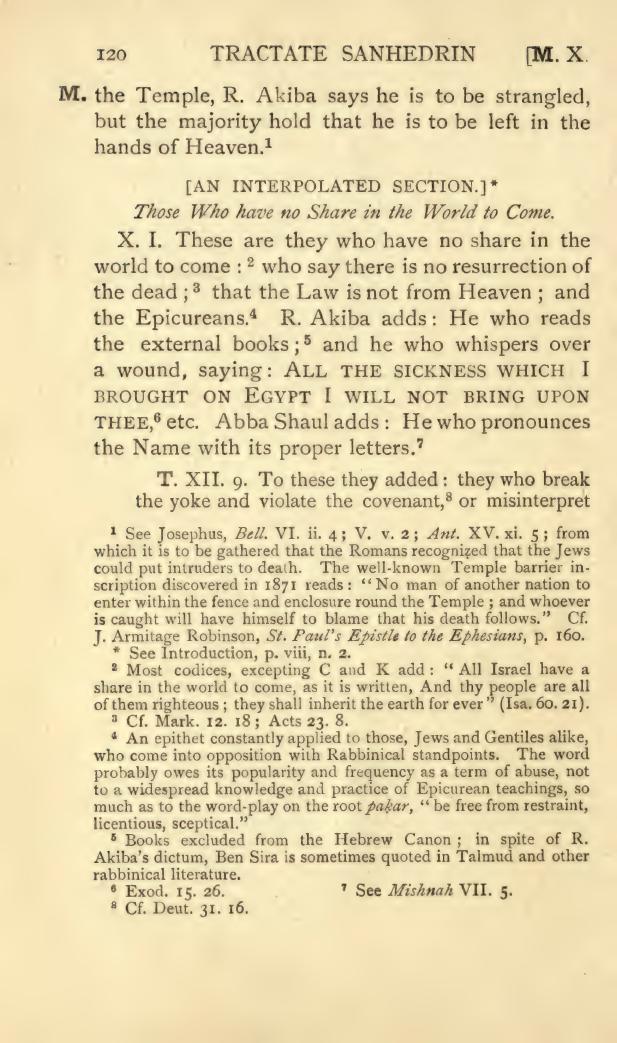
Mishnah Sanhedrin X.1 (= 10:1), listing the apikoros alongside denial of resurrection and denial of the Torah’s heavenly origin as forfeiting a share in the World to Come, with the translator’s own footnote on the term directly beneath: “These are they who have no share in the world to come: who say there is no resurrection of the dead; that the Law is not from Heaven; and the Epicureans. R. Akiba adds: He who reads the external books; and he who whispers over a wound, saying: All the sickness which I brought on Egypt I will not bring upon thee, etc. Abba Shaul adds: He who pronounces the Name with its proper letters.” Danby’s footnote on “the Epicureans”: “An epithet constantly applied to those, Jews and Gentiles alike, who come into opposition with Rabbinical standpoints. The word probably owes its popularity and frequency as a term of abuse, not to a widespread knowledge and practice of Epicurean teachings, so much as to the word-play on the root paḳar, ‘be free from restraint, licentious, sceptical.’” Denial of the resurrection is named in the same clause as the apikoros himself. Mishnah Sanhedrin 10:1 (tr. Danby, 1919)
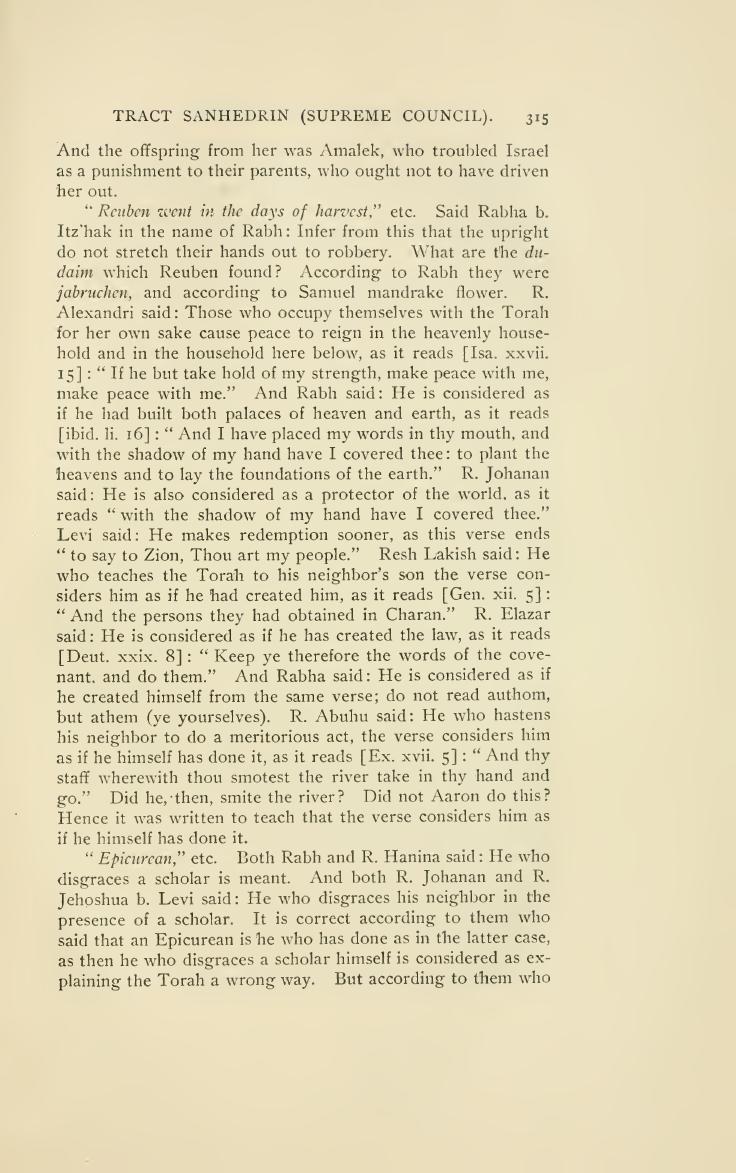
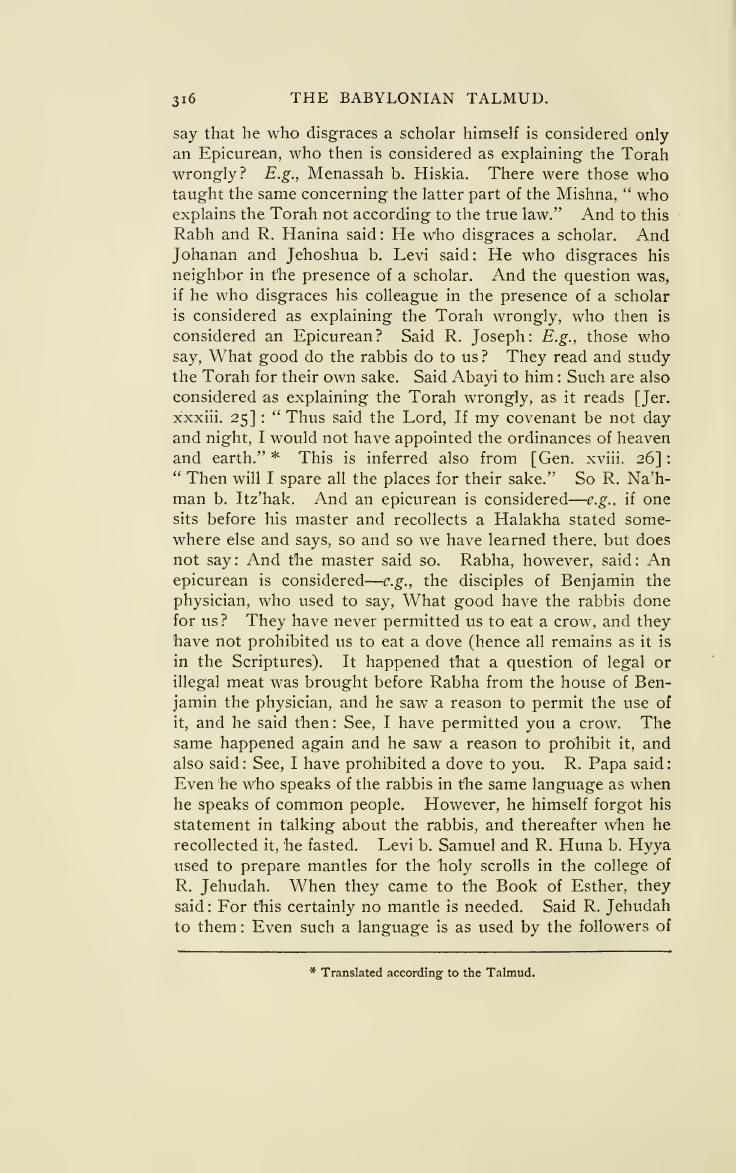
Babylonian Talmud Sanhedrin 99b–100a, the Gemara’s own debate over who exactly qualifies as an “Epicurean” once the Mishnah has named the category — several named authorities each propose a different practical test: “‘Epicurean,’ etc. Both Rabh and R. Hanina said: He who disgraces a scholar is meant. And both R. Johanan and R. Jehoshua b. Levi said: He who disgraces his neighbor in the presence of a scholar… And the question was, if he who disgraces his colleague in the presence of a scholar is considered as explaining the Torah wrongly, who then is considered an Epicurean? Said R. Joseph: E.g., those who say, What good do the rabbis do to us? They read and study the Torah for their own sake… And an epicurean is considered — e.g., if one sits before his master and recollects a Halakha stated somewhere else and says, so and so we have learned there, but does not say: And the master said so. Rabha, however, said: An epicurean is considered — e.g., the disciples of Benjamin the physician, who used to say, What good have the rabbis done for us? They have never permitted us to eat a crow, and they have not prohibited us to eat a dove.” The passage goes on to add R. Papa’s test (speaking of the rabbis in the same idiom used for ordinary people) and R. Na’hman’s (naming one’s teacher without an honorific). Babylonian Talmud, Sanhedrin 99b–100a (tr. Rodkinson, New Edition of the Babylonian Talmud, Vol. XVI, 1902), continued on the following page
The Mortality of the Soul and the Denial of Resurrection
Mishnah Sanhedrin 10:1 (see above for the full clause and page image): the apikoros is grouped in the same sentence with the one who denies that the resurrection is taught in the Torah.
Babylonian Talmud Sanhedrin 99b, the Gemara’s opening question on the same Mishnah, applying a measure-for-measure principle to the denial of resurrection specifically: “GEMARA: Is he who does not believe that the resurrection is hinted at in the Torah such a criminal that he loses his share in the world to come? It was taught: He denies resurrection, therefore he will not have a share in it, as punishment corresponds to the deed; for all retributions of the Holy One, blessed [be He, are measure for measure].” Babylonian Talmud, Sanhedrin 99b (tr. Rodkinson, New Edition of the Babylonian Talmud, Vol. XVI, 1902)
Babylonian Talmud Sanhedrin 90b–91a, from the Gemara’s long defense of the resurrection on the same Mishnah. The objection put in the mouth of the Roman emperor is the materialist one, that the body returns to dust: “Cæsar questioned Rabbon Gamaliel: You say that the dead will be restored. Does not the corpse become dust? How, then, can dust be restored? And the daughter of Cæsar said to R. Gamaliel: Leave the question to me and I myself shall answer it. And she said (to her father): If there were two potters in our city, of whom one should make a pot from water and the other from clay, to which of them would you give preference? And he said: Certainly to him who creates from water; for if he is able to create from water, he is undoubtedly able to create from clay.” The same page gives the same objection again, from a min (heretic) to R. Ami: “Does not the corpse become dust? How, then, can dust be restored?” Babylonian Talmud, Sanhedrin 90b–91a (tr. Rodkinson, New Edition of the Babylonian Talmud, Vol. XVI, 1902)
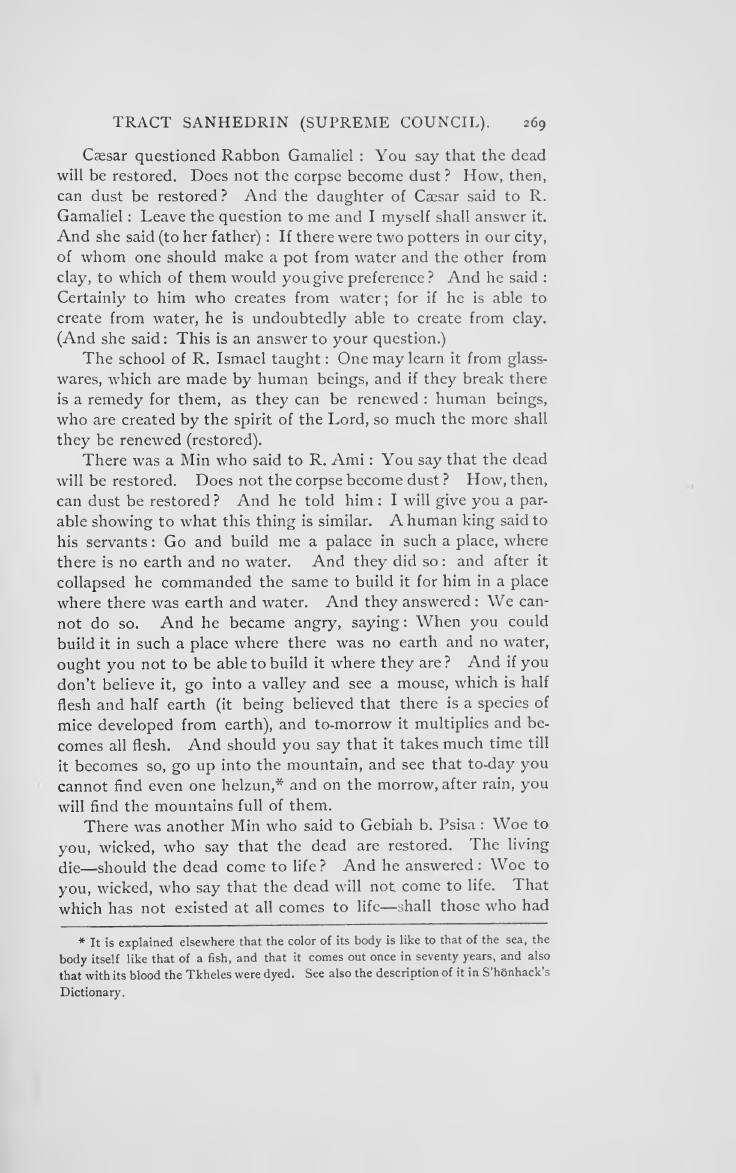
Babylonian Talmud Sanhedrin 91a: “There was another Min who said to Gebiah b. Psisa: Woe to you, wicked, who say that the dead are restored. The living die—should the dead come to life? And he answered: Woe to you, wicked, who say that the dead will not come to life. That which has not existed at all comes to life—shall those who had life once not come to life again?” Babylonian Talmud, Sanhedrin 91a (tr. Rodkinson, New Edition of the Babylonian Talmud, Vol. XVI, 1902), continued on the following page
Babylonian Talmud Sanhedrin 91a–b, the parable of the lame man and the blind man. Its point is that body and soul will be brought back together so that both can be punished: “Antoninus said to Rabbi: The body and the soul of a human may free themselves on the day of judgment by Heaven. How so? The body may say: The soul has sinned; for since she has departed I lie in the grave like a stone. And the soul may say: The body has sinned; for since I am separated from it, I fly in the air like a bird. And he answered: I will give you a parable to which this is similar: A human king, who had an excellent garden which contained very fine figs, appointed two watchmen for it—one of whom was blind, and the other had no feet… The owner then put the lame one on the shoulders of the one who was blind, and punished them together. So also the Holy One, blessed be He—He puts the soul in the body and punishes them together.” Babylonian Talmud, Sanhedrin 91a–b (tr. Rodkinson, New Edition of the Babylonian Talmud, Vol. XVI, 1902), continued on the following page
The Mishnah is quoted from Herbert Danby’s 1919 translation of Tractate Sanhedrin: Mishnah and Tosefta (not his complete Mishnah of 1933), and the Gemara from Michael L. Rodkinson’s New Edition of the Babylonian Talmud, Vol. XVI (1902). Rodkinson’s page numbers are his own book’s pagination, not the standard Vilna folio numbers, but the passages are the same Sanhedrin 90b–91b and 99b–100a found in every edition of the tractate.
Maimonides
Section titled “Maimonides”Maimonides (Rabbi Moses ben Maimon, 1138–1204) is medieval rather than Talmudic proper, but he continues the same argument line directly — both by giving his own systematic legal definition of apikoros in his law code, and by engaging Epicurus’s actual physical and theological positions philosophically in his own right. He is included here as a later continuation of the rabbinic material above.
The standard English translation of the relevant part of the Mishneh Torah, Moses Hyamson’s Book of Knowledge (1937), is still under copyright. The Mishneh Torah quotations below are therefore original English renderings of the Hebrew, not a published translator’s, linked to the page of a printed Hebrew edition (Warsaw, 1881) and checked against the Hebrew text on Sefaria. The Guide for the Perplexed quotations use M. Friedländer’s English translation (2nd edition, 1904) and are linked to that translation’s own pages.
General Attacks, and Apikoros as a Legal Term
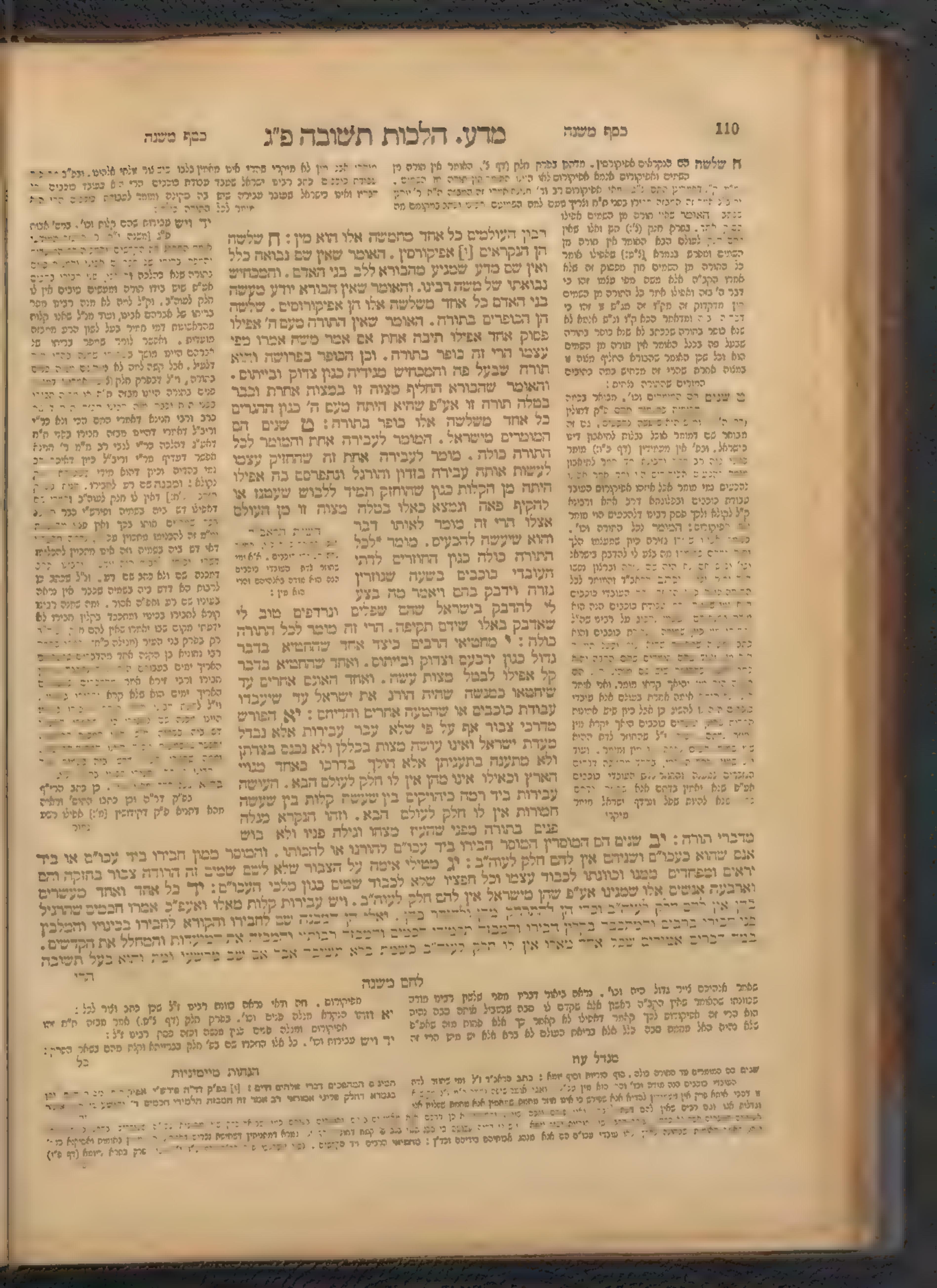
Mishneh Torah, Hilchot Teshuvah (Laws of Repentance) 3:8, Maimonides’s own systematic definition of apikoros, expanding the Mishnah’s bare mention of the term into three specific enumerated positions: “Three are called apikorsim: one who says there is no prophecy at all, and that no knowledge reaches the heart of human beings from the Creator; one who denies the prophecy of Moses our teacher; and one who says the Creator does not know the deeds of human beings. Each one of these three is an apikoros.” The third clause, denying that the Creator knows what human beings do, is a direct denial of providence over human affairs (see below). Mishneh Torah, Hilchot Teshuvah 3:8 (Warsaw, 1881 printing; rendered from the Hebrew)
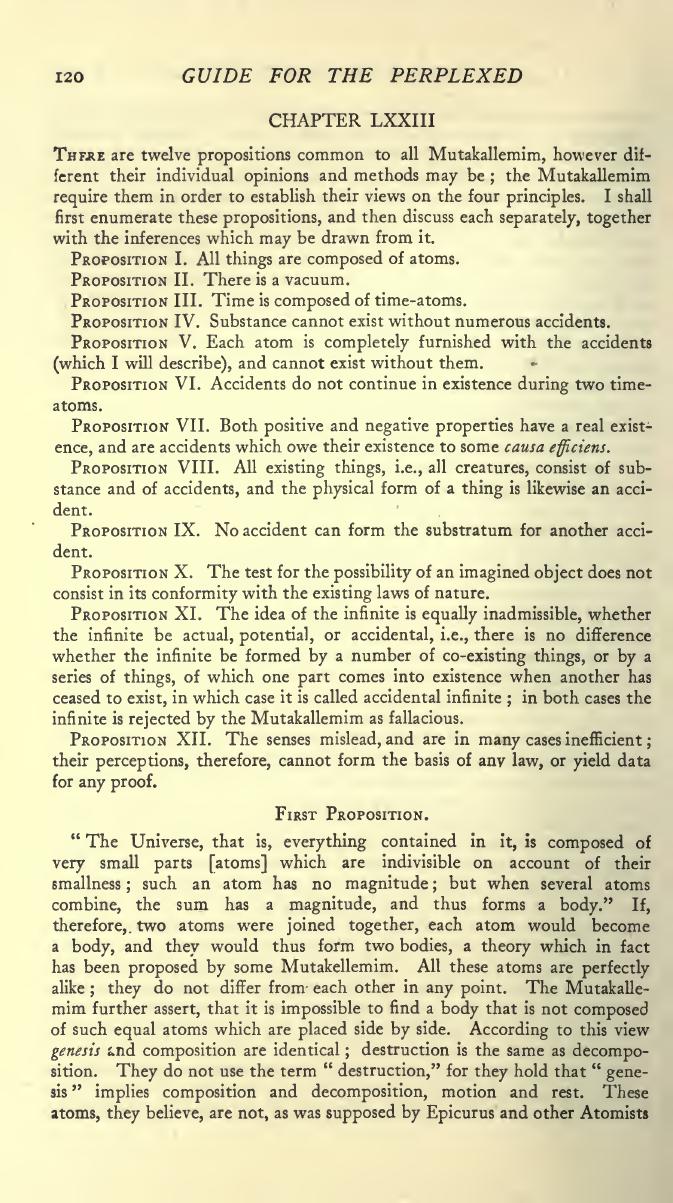
Guide for the Perplexed, Part I, Chapter LXXIII, in Maimonides’s survey of the Kalam theologians’ twelve propositions about atoms: he notes in passing that the Mutakallemim’s atoms differ from the classical atomist account on one specific point — permanence in number: “These atoms, they believe, are not, as was supposed by Epicurus and other Atomists, numerically constant; but are created anew whenever it pleases the Creator; their annihilation is therefore not impossible.” A brief comparative aside rather than a direct attack, but it shows Maimonides treating Epicurus’s atomism as the standard reference point against which a rival theological physics defines itself. Maimonides, Guide for the Perplexed I.73 (tr. Friedländer, 1904)
The Absence of a Designer, and Chance
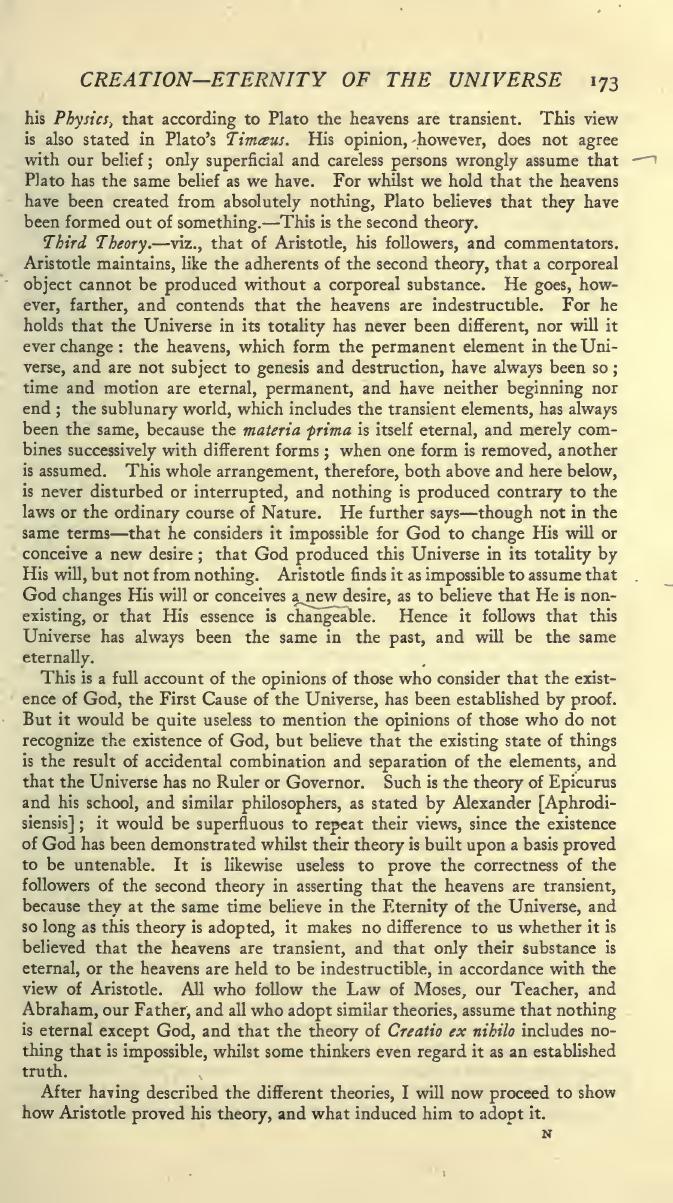
Guide for the Perplexed, Part II, Chapter XIII, after laying out the three theories on the eternity of the universe held by those who accept God’s existence (the Mosaic, Platonic, and Aristotelian views), Maimonides sets Epicurus apart as denying God’s existence altogether and deriving cosmic order from chance: “It would be quite useless to mention the opinions of those who do not recognize the existence of God, but believe that the existing state of things is the result of accidental combination and separation of the elements, and that the Universe has no Ruler or Governor. Such is the theory of Epicurus and his school, and similar philosophers, as stated by Alexander [Aphrodisiensis]; it would be superfluous to repeat their views, since the existence of God has been demonstrated whilst their theory is built upon a basis proved to be untenable.” Maimonides, Guide for the Perplexed II.13 (tr. Friedländer, 1904)
The Denial of Divine Providence Over Human Affairs
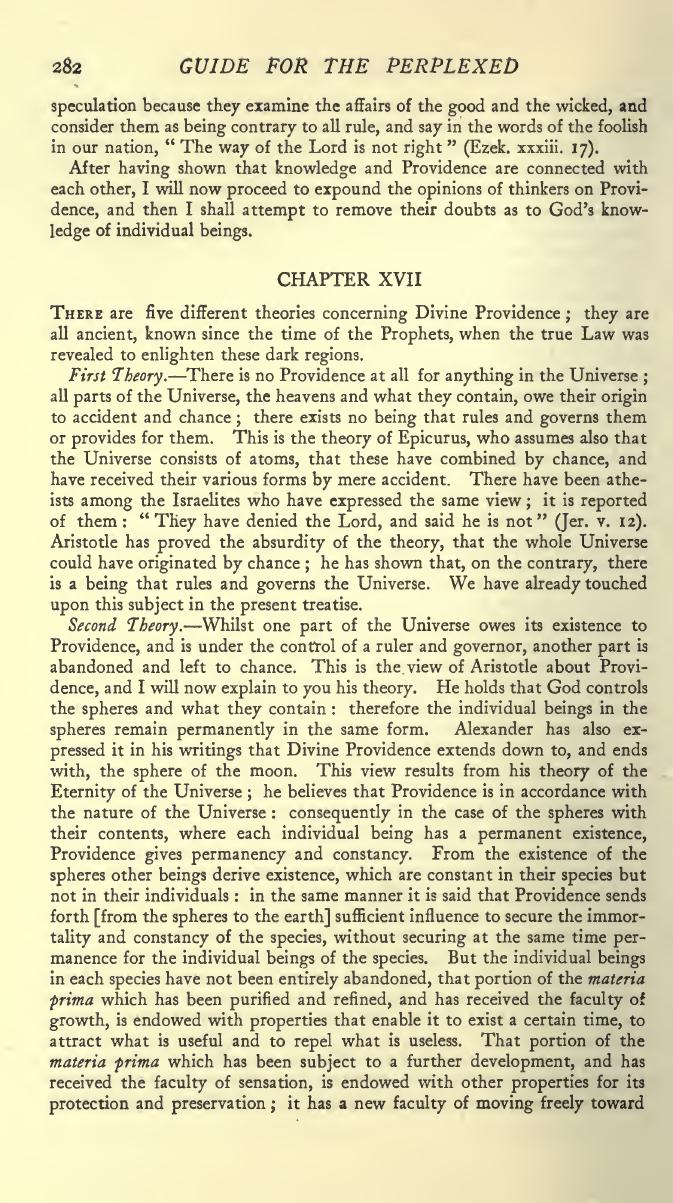
Guide for the Perplexed, Part III, Chapter XVII, the fullest and most direct engagement with Epicurus in the whole work — the “First Theory” in Maimonides’s survey of five theories of Divine Providence, naming Epicurus outright and linking him to a biblical description of atheism applied to Jews who shared his view: “There is no Providence at all for anything in the Universe; all parts of the Universe, the heavens and what they contain, owe their origin to accident and chance; there exists no being that rules and governs them or provides for them. This is the theory of Epicurus, who assumes also that the Universe consists of atoms, that these have combined by chance, and have received their various forms by mere accident. There have been atheists among the Israelites who have expressed the same view; it is reported of them: ‘They have denied the Lord, and said he is not’ (Jer. v. 12). Aristotle has proved the absurdity of the theory, that the whole Universe could have originated by chance; he has shown that, on the contrary, there is a being that rules and governs the Universe.” Maimonides, Guide for the Perplexed III.17 (tr. Friedländer, 1904)
Mishneh Torah, Hilchot Teshuvah 3:8 (see above for the full clause and page image): the third of the three enumerated apikoros positions is precisely this claim: “one who says the Creator does not know the deeds of human beings.”
The Mortality of the Soul and the Denial of Resurrection
Mishneh Torah, Hilchot Teshuvah 3:6, Maimonides’s own expansion of the Mishnah’s “no share in the World to Come” list into a longer enumerated catalogue, in which denial of resurrection is named as its own distinct category standing alongside (not merged into) the apikoros and min categories: “And these are they who have no share in the World to Come, but are cut off and perish and are punished for the greatness of their wickedness and their sin forever and ever: the minim, and the apikorsim, and those who deny the Torah, and those who deny the resurrection of the dead and the coming of the redeemer, the rebels, and those who cause the many to sin, and those who separate themselves from the ways of the community…” (the list continues with several further categories not directly relevant here). Mishneh Torah, Hilchot Teshuvah 3:6 (Warsaw, 1881 printing; rendered from the Hebrew)
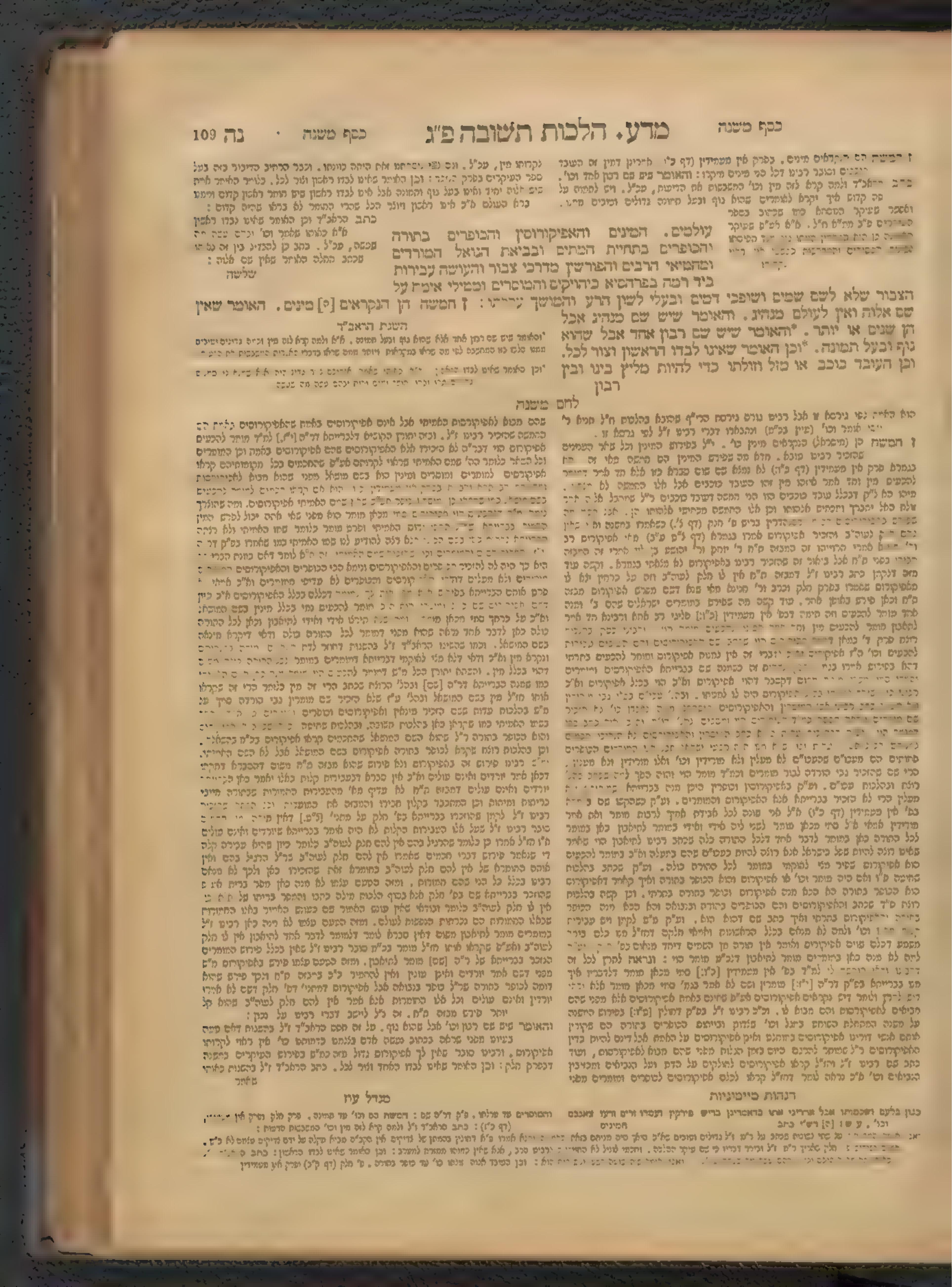
Epicurus is named three times in the Guide for the Perplexed, and all three passages are given above.
Islamic Sources
Section titled “Islamic Sources”The Koran
Section titled “The Koran”Source for all quotations below: The Koran, translated by J. M. Rodwell (first published 1861), Everyman’s Library edition (London: J. M. Dent, 1909). The full book can be read at archive.org. Rodwell arranged the suras in what he took to be the order of their composition, so his page numbers do not follow the sura numbers. References below use the standard sura and verse numbers. Rodwell’s own verse numbers in the margin sometimes differ by a verse or two.
General Attacks, The Eternity of the Universe and The Absence of a Designer, and Chance
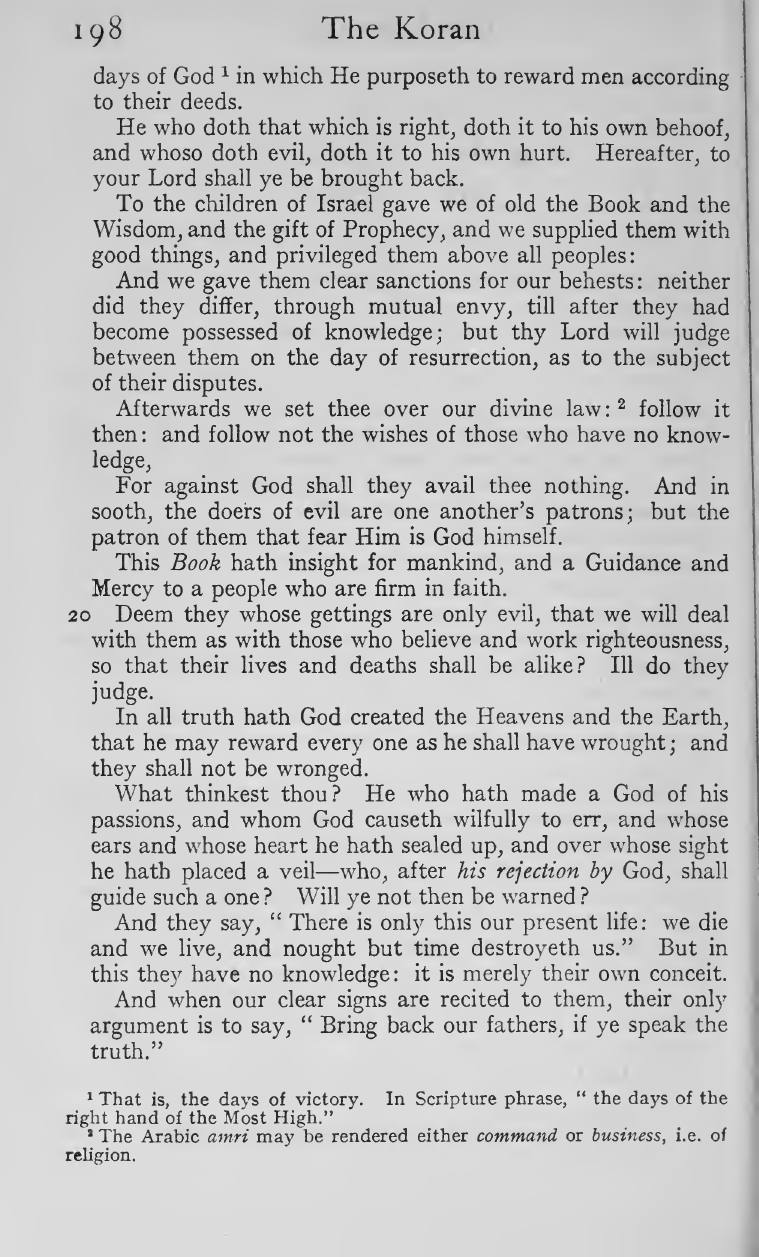
Sura 45:24, the Koran’s own statement of the materialist view, and its dismissal: “And they say, ‘There is only this our present life: we die and we live, and nought but time destroyeth us.’ But in this they have no knowledge: it is merely their own conceit.” The Arabic word for “time” here is dahr. The name of al-Ghazali’s first sect of philosophers, the dahriyyun (see below), comes from it. Koran 45:24 (tr. Rodwell, 1909)
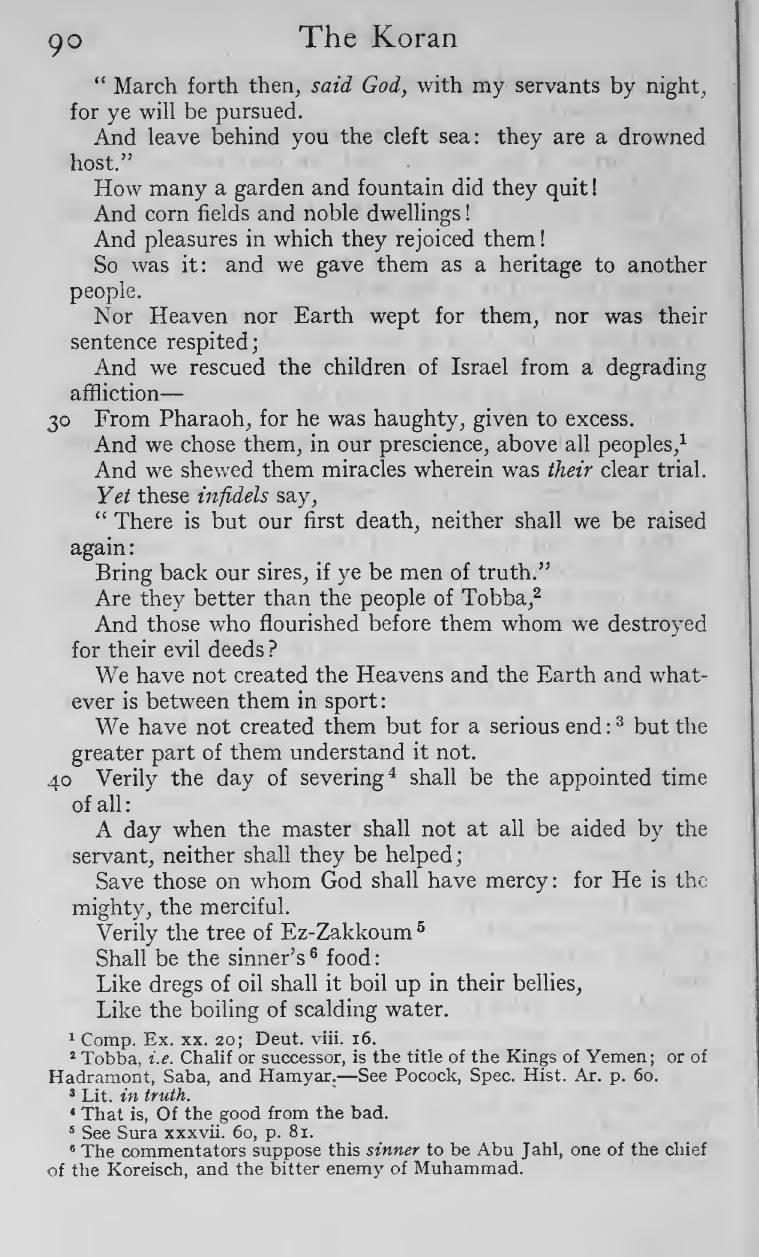
Sura 44:34–39: “Yet these infidels say, ‘There is but our first death, neither shall we be raised again: Bring back our sires, if ye be men of truth.’… We have not created the Heavens and the Earth and whatever is between them in sport: We have not created them but for a serious end: but the greater part of them understand it not.” Koran 44:34–39 (tr. Rodwell, 1909)
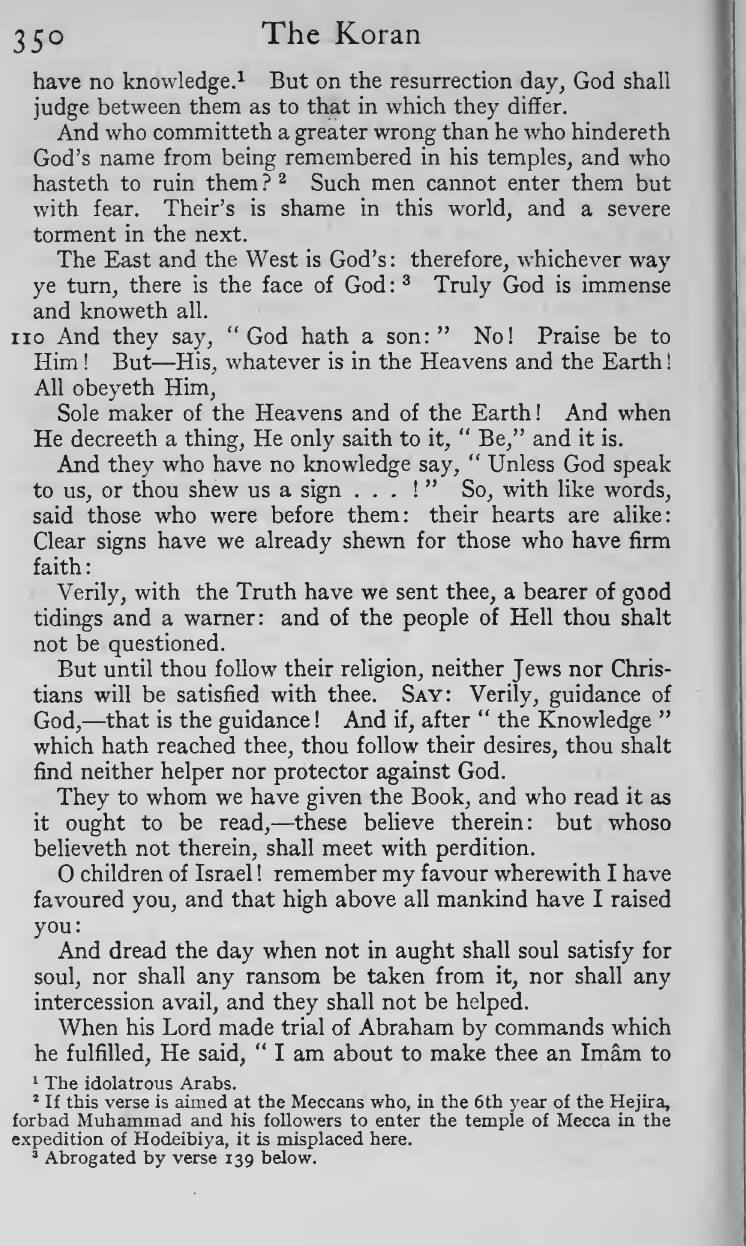
Sura 2:116–117, creation by command: “Sole maker of the Heavens and of the Earth! And when He decreeth a thing, He only saith to it, ‘Be,’ and it is.” Koran 2:116–117 (tr. Rodwell, 1909)
Faith and Revelation in Place of the Senses
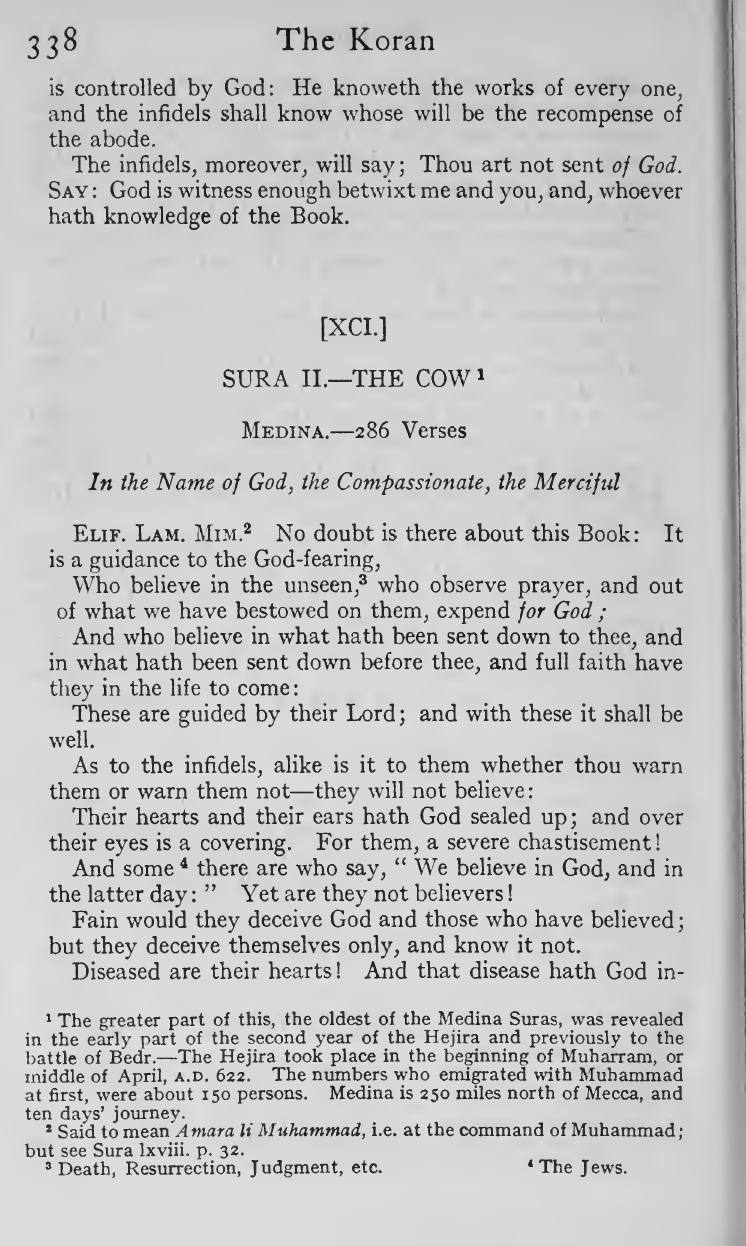
Sura 2:1–3, the opening of the longest sura, describes the believers first of all as those “who believe in the unseen”: “ELIF. LAM. MIM. No doubt is there about this Book: It is a guidance to the God-fearing, Who believe in the unseen, who observe prayer, and out of what we have bestowed on them, expend for God.” Rodwell’s note on “the unseen”: “Death, Resurrection, Judgment, etc.” Koran 2:1–3 (tr. Rodwell, 1909)
The Denial of Divine Providence Over Human Affairs
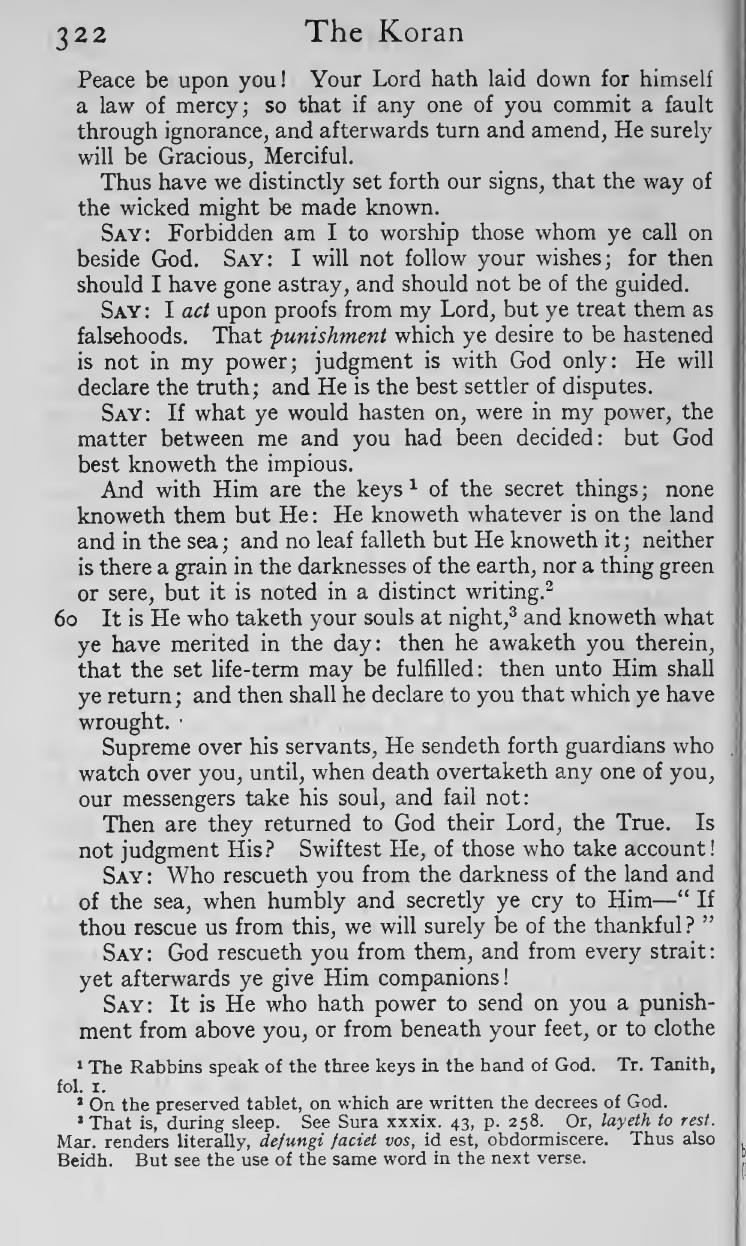
Sura 6:59: “And with Him are the keys of the secret things; none knoweth them but He: He knoweth whatever is on the land and in the sea; and no leaf falleth but He knoweth it; neither is there a grain in the darknesses of the earth, nor a thing green or sere, but it is noted in a distinct writing.” Koran 6:59 (tr. Rodwell, 1909)
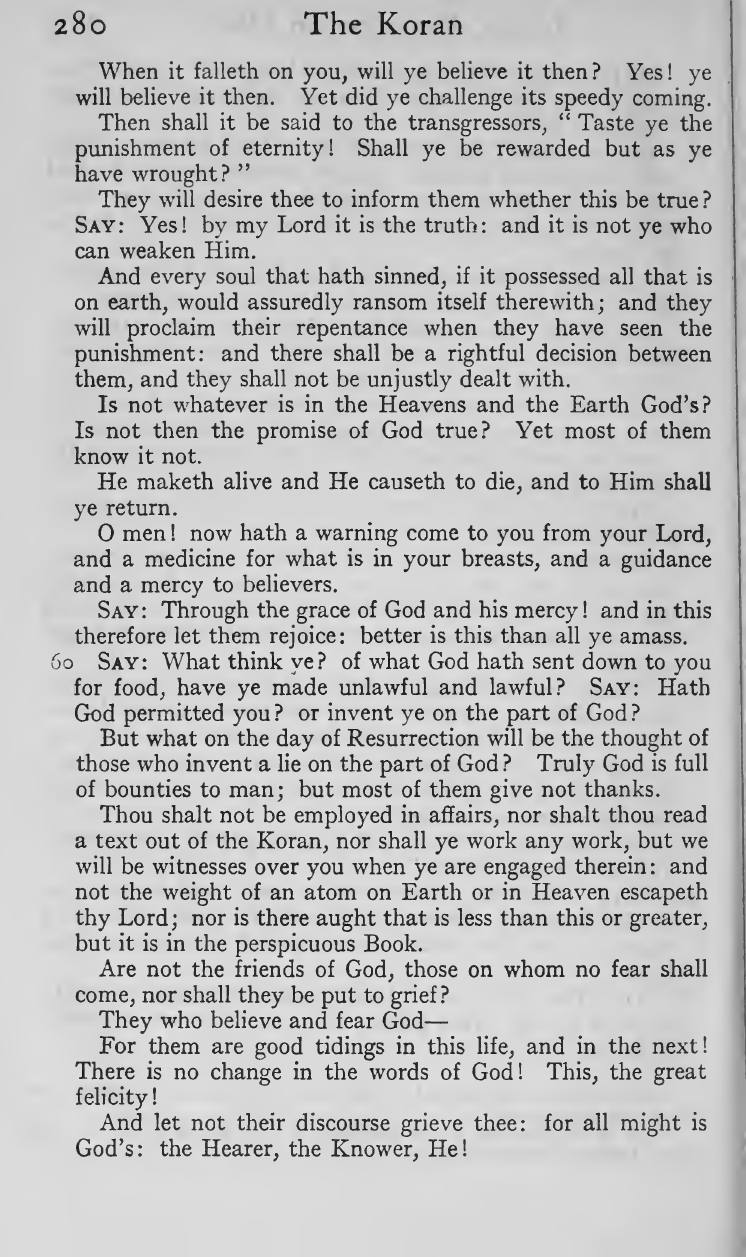
Sura 10:61, the verse al-Ghazali quotes below against the philosophers who said God knows only universals: “…we will be witnesses over you when ye are engaged therein: and not the weight of an atom on Earth or in Heaven escapeth thy Lord; nor is there aught that is less than this or greater, but it is in the perspicuous Book.” Koran 10:61 (tr. Rodwell, 1909)
The Mortality of the Soul and the Denial of an Afterlife
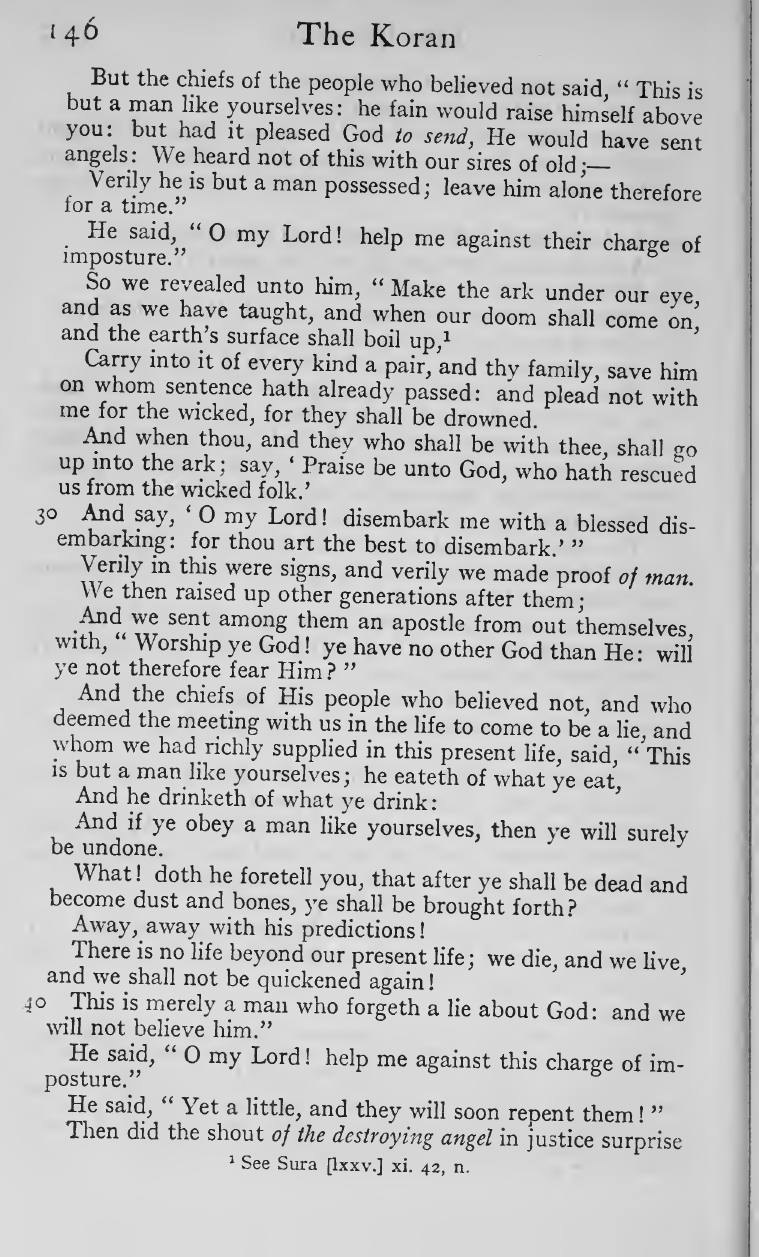
Sura 23:35–37, the unbelievers’ answer to a prophet: “What! doth he foretell you, that after ye shall be dead and become dust and bones, ye shall be brought forth? Away, away with his predictions! There is no life beyond our present life; we die, and we live, and we shall not be quickened again!” Koran 23:35–37 (tr. Rodwell, 1909)
Sura 17:49–51: “They also say, ‘After we shall have become bones and dust, shall we in sooth be raised a new creation?’ SAY: ‘Yes, though ye were stones, or iron, or any other creature, to your seeming, yet harder to be raised.’ But they will say, ‘Who shall bring us back?’ SAY: ‘He who created you at first.’” Koran 17:49–51 (tr. Rodwell, 1909)
Sura 36:77–82: “Doth not man perceive that we have created him of the moist germs of life? Yet lo! is he an open caviller. And he meeteth us with arguments, and forgetteth his creation: ‘Who,’ saith he, ‘shall give life to bones when they are rotten?’ SAY: He shall give life to them who gave them being at first, for in all creation is he skilled… What! must not He who hath created the Heavens and the Earth be mighty enough to create your likes? Yes! and He is the skilful creator. His command when He willeth aught, is but to say to it, BE, and IT IS.” Koran 36:77–82 (tr. Rodwell, 1909)
Sura 75:1–6: “It needeth not that I swear by the day of the RESURRECTION, Or that I swear by the self-accusing soul. Thinketh man that we shall not re-unite his bones? Aye! his very finger tips are we able evenly to replace. But man chooseth to deny what is before him: He asketh, ‘When this day of Resurrection?’” Koran 75:1–6 (tr. Rodwell, 1909)
Sura 64:7: “The infidels pretend that they shall not be raised from the dead. SAY: Yea, by my Lord, ye shall surely be raised; then shall ye surely be told of your deeds! And easy is this for God.” Koran 64:7 (tr. Rodwell, 1909)
Pleasure as the Goal of Life
Sura 57:20: “Know ye that this world’s life is only a sport, and pastime, and show, and a cause of vainglory among you! And the multiplying of riches and children is like the plants which spring up after rain—Their growth rejoiceth the husbandman; then they wither away, and thou seest them all yellow; then they become stubble. And in the next life is a severe chastisement, Or else pardon from God and His satisfaction: and this world’s life is but a cheating fruition.” Koran 57:20 (tr. Rodwell, 1909)
Sura 47:12. Compare al-Ghazali’s description below of the Naturalists, who “plunge into sensual pleasures with the avidity of brutes”: “Verily God will bring those who believe, and do the things that are right, into the Gardens, beneath whose shades the rivers flow: but they who believe not, take their fill, and eat as the beasts eat! And their dwelling-place the fire!” Koran 47:12 (tr. Rodwell, 1909)
Sura 102:1–8: “The DESIRE of increasing riches occupieth you, Till ye come to the grave. Nay! but in the end ye shall know— Nay! once more, in the end ye shall know your folly. Nay! would that ye knew it with knowledge of certainty! Surely ye shall see hell-fire. Then shall ye surely see it with the eye of certainty; Then shall ye on that day be taken to task concerning pleasures.” Koran 102:1–8 (tr. Rodwell, 1909)
The Argument That Without Divine Judgment There Is No Reason to Be Good
Sura 79:37–41: “Then, as for him who hath transgressed And hath chosen this present life, Verily, Hell—that shall be his dwelling-place: But as to him who shall have feared the majesty of his Lord, and shall have refrained his soul from lust, Verily, Paradise—that shall be his dwelling-place.” Koran 79:37–41 (tr. Rodwell, 1909)
Sura 99:6–8, the weighing of deeds at the end of the world: “On that day shall men come forward in throngs to behold their works, And whosoever shall have wrought an atom’s weight of good shall behold it, And whosoever shall have wrought an atom’s weight of evil shall behold it.” Koran 99:1–8 (tr. Rodwell, 1909)
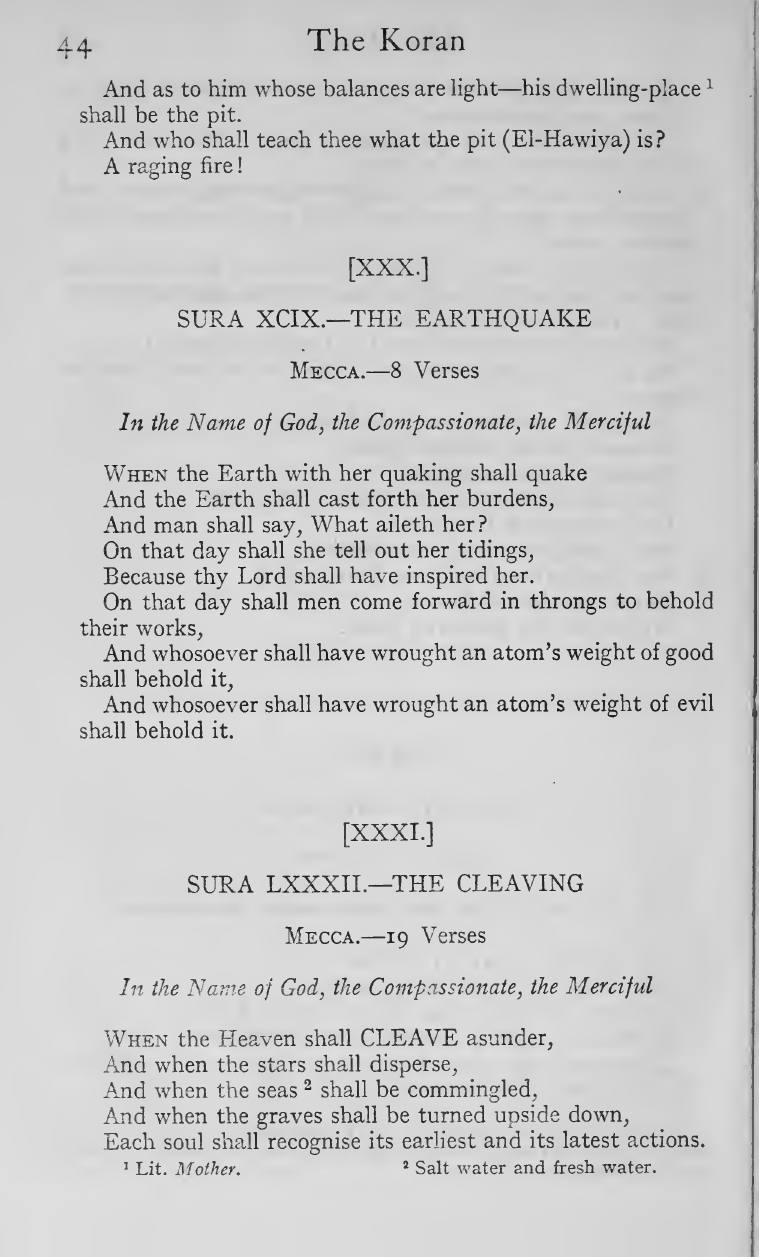
Sura 45:22: “In all truth hath God created the Heavens and the Earth, that he may reward every one as he shall have wrought; and they shall not be wronged.” Koran 45:22–24 (tr. Rodwell, 1909)
Al-Ghazali
Section titled “Al-Ghazali”Abu Hamid al-Ghazali (AD 1058–1111) was the most influential theologian of medieval Islam. His autobiography, al-Munqidh min al-Dalal (“Deliverance from Error”), divides philosophers into three sects and condemns all three. He does not name Epicurus, but his first two sects, the “Materialists” (in Arabic, dahriyyun) and the “Naturalists,” are defined by the positions Epicurus taught: an uncreated, eternal world with no designer, and a soul that dies with the body.
Source for the quotations below: The Confessions of Al Ghazzali, translated by Claud Field (London: John Murray, 1909, Wisdom of the East series). The full book can be read or downloaded free at archive.org.
The Eternity of the Universe and The Absence of a Designer, and Chance
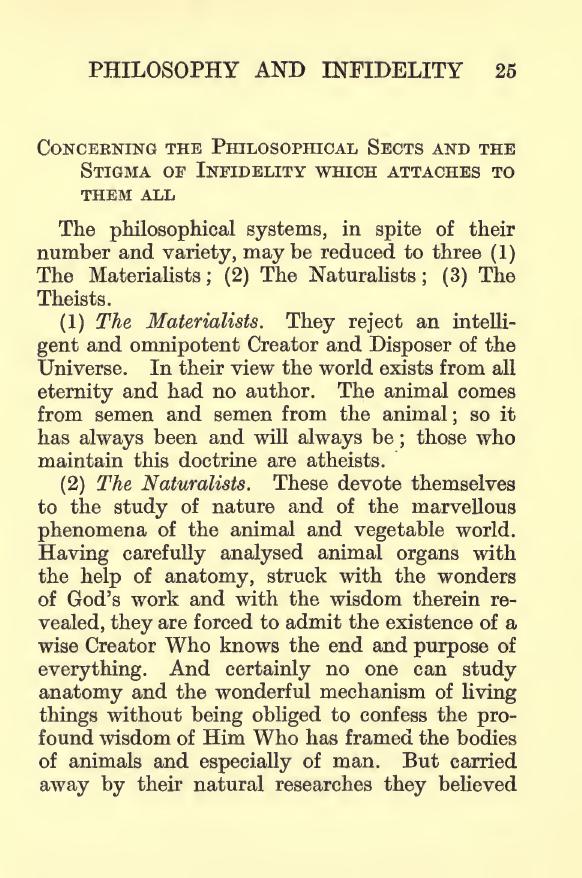
Confessions (Field, p. 25), on the first sect: “The philosophical systems, in spite of their number and variety, may be reduced to three (1) The Materialists; (2) The Naturalists; (3) The Theists. (1) The Materialists. They reject an intelligent and omnipotent Creator and Disposer of the Universe. In their view the world exists from all eternity and had no author. The animal comes from semen and semen from the animal; so it has always been and will always be; those who maintain this doctrine are atheists.” Al-Ghazali, Confessions, p. 25 (tr. Field, 1909)
The Mortality of the Soul and the Denial of an Afterlife
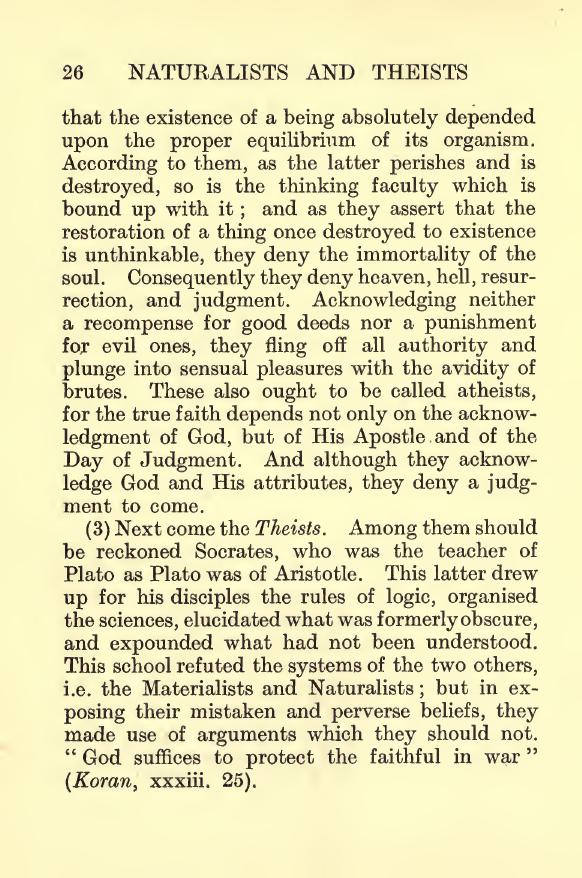
Confessions (Field, pp. 25–26), on the second sect, who study nature and admit a Creator but deny that the soul survives the body: “But carried away by their natural researches they believed that the existence of a being absolutely depended upon the proper equilibrium of its organism. According to them, as the latter perishes and is destroyed, so is the thinking faculty which is bound up with it; and as they assert that the restoration of a thing once destroyed to existence is unthinkable, they deny the immortality of the soul. Consequently they deny heaven, hell, resurrection, and judgment.” Al-Ghazali, Confessions, p. 25 (tr. Field, 1909), continued on p. 26
Pleasure as the Goal of Life and The Argument That Without Divine Judgment There Is No Reason to Be Good
Confessions (Field, p. 26), continuing the same passage, drawing the moral consequence he sees in denying a judgment after death: “Acknowledging neither a recompense for good deeds nor a punishment for evil ones, they fling off all authority and plunge into sensual pleasures with the avidity of brutes. These also ought to be called atheists, for the true faith depends not only on the acknowledgment of God, but of His Apostle and of the Day of Judgment. And although they acknowledge God and His attributes, they deny a judgment to come.” Al-Ghazali, Confessions, p. 26 (tr. Field, 1909)
The Denial of Divine Providence Over Human Affairs and The Eternity of the Universe
Confessions (Field, pp. 33–34). Here al-Ghazali’s target is the Aristotelian philosophy of al-Farabi and Avicenna, against which he wrote The Destruction of the Philosophers. Two of the three positions he condemns as opposed to all the doctrines of Islam, that God does not attend to particular things and that the universe is eternal, are also positions of Epicurus: “The three propositions in which they are opposed to all the doctrines of Islam are the following: (1) Bodies do not rise again; spirits alone will be rewarded or punished; future punishments will be therefore spiritual and not physical. They are right in admitting spiritual punishments, for there will be such; but they are wrong in rejecting physical punishments, and contradicting in this manner the assertions of the Divine Law. (2) ‘God takes cognisance of universals, not of specials.’ This is manifestly irreligious. The Koran asserts truly, ‘Not an atom’s weight in heaven or earth can escape His knowledge’ (x. 62). (3) They maintain that the universe exists from all eternity and will never end. None of these propositions have ever been admitted by Moslems.” Al-Ghazali, Confessions, p. 33 (tr. Field, 1909), continued on p. 34